
Did you know that more than 70% of people fail to maintain a low carb diet long-term —often for one costly and overlooked reason? Uncover the truth about low carb diet mistakes and learn how to secure real, sustainable health without falling into the most common (and expensive) trap!

Why Low Carb Diets Are So Popular—But Also Misunderstood
The low carb diet has become an incredibly popular choice for those looking to improve their health, lose weight, and stabilize blood sugar. Yet, despite the growing awareness around carb foods and reducing carb intake, confusion persists. Many believe that simply cutting bread or pasta will unlock all the benefits. In reality, a truly effective carb diet calls for more strategic changes. Why do so many people jump on the low carb bandwagon, only to abandon it or miss out on long-term results? Let’s explore the gap between widespread enthusiasm and frequent disappointment.
The appeal of low carb diets is understandable. Promises of rapid weight loss, improved energy, and even reduced risk of heart disease make it sound like a miracle fix. But misinformation about what actually counts as a carb food or how to craft a sustainable meal plan can be expensive, both in terms of time and health care costs. As you read on, you’ll discover why understanding low carb principles and common mistakes is the key to success—and how you can use this insight to finally meet your health goals.
A Surprising Stat: Over 70% of Dieters Fail to Maintain Their Low Carb Diet Long-Term
Despite its popularity, the majority of people who start a low carb meal plan find themselves slipping back into old habits. According to leading nutrition surveys, over 70% of dieters return to higher-carb eating within the first year. These numbers are not just statistics—they represent frustration, wasted effort, and missed opportunity for sustainable weight management. The constant cycle of restrictive diets, temporary weight loss, and eventual regain underscores a simple truth: the problem isn’t the diet itself, but how it’s implemented. By understanding the most common pitfalls, you’ll be better equipped to avoid them and stick with your goals for the long haul.
Many who abandon their carb diet plans cite cravings, energy crashes, and confusing food rules as reasons for quitting. Others struggle with the social and lifestyle adjustments required for long-term adherence. The good news is that these challenges are not insurmountable—once you know the secrets to building a sustainable low carb lifestyle, you’ll join the few who achieve lasting results. Let’s identify successful strategies and the mistakes to sidestep.
Learning from the Biggest Low Carb Diet Mistakes
Mistakes with low carb diets often begin before the first meal is even planned. The biggest error is fixating solely on cutting carbs while neglecting diet quality, nutrient balance, and long-term sustainability. This laser focus on carb numbers, at the expense of fiber, vitamins, and healthy fats, leads to problems such as nutrient deficiencies, mood swings, and diminished energy. Without a holistic strategy, attempts to follow a low carb meal plan can backfire, resulting in yo-yo dieting and frustration.
Another frequent misstep is misunderstanding which carb foods to limit versus which can be enjoyed in moderation. For example, starchy vegetables and whole grains may be off-limits in some low carb diets but essential for others prioritizing nutrient density. Additionally, attempting to mimic high-carb eating habits with low carb substitutes—often ultra-processed and lacking nutritional value—can sabotage progress. The most expensive mistake? Ignoring the importance of a balanced approach that prioritizes overall health, not simply cutting carbs at all costs.

Low Carb Diet Defined: What Really Makes a Carb Diet ‘Low’?
To reap the benefits of a low carb diet, you must first clarify what “low” actually means. There’s no universal definition—some diets set strict daily carb limits (as low as 20 grams), while others allow more generous intakes up to 130 grams. The core principle, however, remains consistent: reducing carb intake enough to trigger a metabolic shift in how your body processes energy. But don’t be misled by quick fixes or arbitrary numbers; a healthy low carb dietary pattern should be rooted in science, not hype.
Most low carb diets limit foods high in added sugar and refined grains, opting instead for healthy fats, proteins, non-starchy vegetables, and whole foods. The goal is to stabilize blood sugar levels, promote fat burning, and improve insulin sensitivity. Whether pursuing weight loss, better heart health, or more stable energy, understanding the science and rationale behind low carb eating is essential. Next, let’s break down the science—and help you decide which types might fit your lifestyle and health goals best.
Breaking Down the Low Carb Diet: Core Principles & Science
Every carb diet shares one foundational idea: restricting carbohydrate intake so your body relies more on fat for energy. When you eat fewer carbs, your blood sugar stabilizes, insulin levels drop, and the body enters a state called ketosis (especially in stricter forms like the keto diet). This transition encourages fat loss and may reduce risk factors for heart disease and diabetes. However, not all carbs—and not all carb foods—are created equal. By focusing on nutrient-dense, minimally processed foods, you can maximize the benefits and avoid the most common pitfalls of low carb diets.
Another principle is understanding the role of carbs in overall nutrition. While low carb diets limit starchy vegetables, added sugar, and white breads, they encourage higher intake of proteins, healthy fats (like avocado and olive oil), and green vegetables. The daily carb level that qualifies as “low” can vary based on your goals—some people thrive on 50-100 grams per day, while others aim for ultra-low (20-30 grams) to reach ketosis. The best results come from aligning your intake with your body’s needs and your ability to stick to the plan long-term. In all cases, prioritize quality over quantity—aim to replace empty calories with nutrient-rich foods for a truly healthy low carb journey.
Types of Low Carb Diets and How They Differ
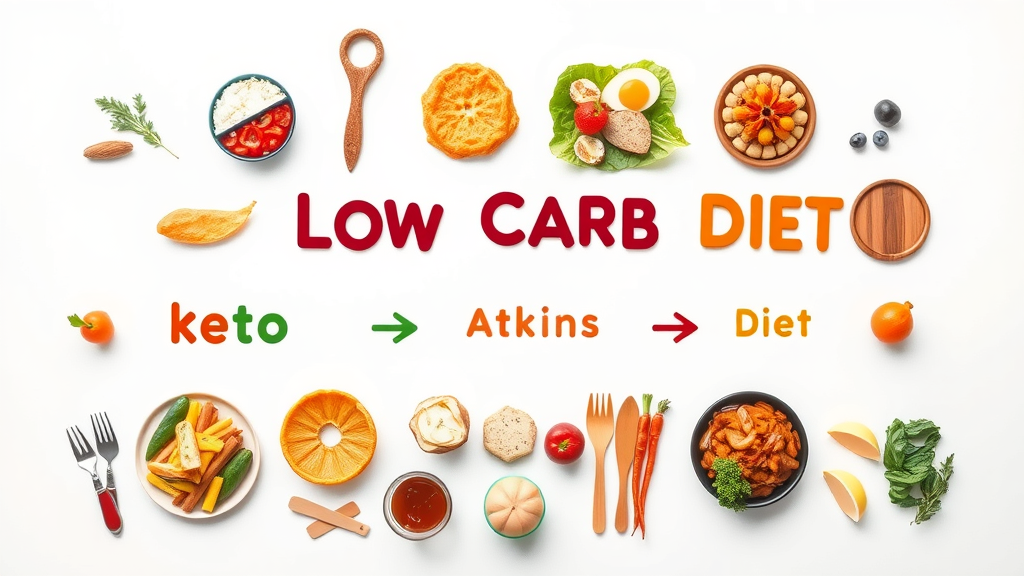
Not all low carb diets are the same. Popular variations include the keto diet , Atkins, Paleo, and the general “low carb” approach. The keto diet is the strictest, typically limiting daily carb intake to about 20-50 grams to maintain ketosis. Atkins starts with similar strictness but gradually reintroduces more carbs as you get closer to your goal weight. The Paleo diet removes grains and processed foods but is less strict with certain vegetables and fruit. Finally, some people practice moderate carb diets—simply limiting sugar and refined grains while allowing a wider range of foods that support blood sugar stability and weight management.
These different types of low carb diets vary in flexibility, daily carb allowance, and long-term health focus. While all can help reduce carbohydrate intake and contribute to weight loss, choosing the right one depends on your individual health, preferences, and sustainability. The smartest strategy is to personalize your plan so it feels like a natural fit, not a punishment.
What Can You Eat on a Low-Carb Diet Plan?
Understanding what to eat—and what to avoid—is the cornerstone of any effective carb diet. High-quality proteins (chicken, fish, eggs), healthy fats (avocado, nuts, olive oil), and a bounty of non-starchy vegetables form the foundation. By contrast, a low carb meal plan limits refined grains, desserts, added sugars, and processed carb foods. A practical approach is to swap out bread, pasta, and rice for leafy greens, cruciferous veggies, and alternative carb foods like cauliflower or zucchini noodles. The result is a more diverse, flavorful, and nutritious menu that supports both weight loss and better health.
Equally important is learning to identify hidden carbs—those found in unexpected places, like sauces, dressings, and even some meal replacements or “low carb” labeled products. Reading food labels, prioritizing whole foods, and focusing on nutrient density helps you create a low carb meal plan that’s satisfying and sustainable. By balancing your meals with quality proteins and healthy fats, you avoid the energy dips and cravings that derail many dieters.
Carb Foods vs. Low Carb Foods: Know the Difference
One pillar of successful low carb eating is learning the difference between carb foods to limit and low carb foods to enjoy. Refined grains (white bread, pasta, pastries), sugary drinks, candy, and many snack foods are high in simple carbohydrates and quickly spike blood sugar. These are best avoided or strictly limited on any carb diet. Conversely, foods such as eggs, meats, fish, unsweetened dairy, non-starchy vegetables (like spinach, broccoli, peppers), nuts, and seeds are naturally low in carbs and rich in nutrients.
Some foods fall into a gray area—beans, lentils, and certain fruits contain more carbs but are packed with fiber and beneficial compounds. In moderation, these can fit into certain types of low carb diets, especially for those not practicing a rigorous keto diet. Always consider not just total carb count, but also the food’s nutritional quality and its impact on your body’s energy and blood sugar. Prioritizing these smart choices enhances health care outcomes and makes it easier to follow a low carb diet in real life.
Building a Low Carb Meal: Safe Choices & Surprising Pitfalls
Creating a satisfying low carb meal is about balance. Start with a lean protein source—like grilled chicken, salmon, or tofu—add a large portion of leafy greens or other non-starchy vegetables, include a healthy fat (a drizzle of olive oil, a handful of nuts), and finish with flavor from herbs, spices, or a light vinaigrette. Aim for color and variety, which not only makes your meal more appetizing but ensures a broader spectrum of nutrients.
Beware of “hidden” carbs in sauces, dressings, and processed meats. Even foods advertised as “low carb” can contain unexpected sources of added sugar or starchy fillers. When structuring your carb meals, check nutrition labels for grams of carbs per serving and keep a close eye on total daily intake. Swapping high-carb sides for roasted vegetables or cauliflower mash doesn’t mean you have to sacrifice taste—just stay vigilant for potential pitfalls that can sneak carbs back into your diet unknowingly.
People Also Ask: What can you eat on a low-carb diet?
Answer: Key foods to include and key foods to limit for any low carb diet
On a low carb diet , focus on whole foods like meats, fish, poultry, eggs, low carb vegetables (spinach, kale, zucchini, broccoli), healthy fats (olive oil, avocado), cheese, nuts, and seeds. Limit or avoid bread, pasta, sugary cereals, rice, potatoes, and foods with added sugar. Carbohydrate intake should often stay under 100-150 grams per day—sometimes as low as 20-50 grams depending on your plan. Remember, not all carbs are bad; prioritize vegetables and fiber-rich foods, and avoid processed options for optimal health.

People Also Ask: What is an example of a low carbohydrate diet?
Answer: Sample low carb meal plan and leading carb diets
A typical day on a low carb diet could look like this:
-
Breakfast : Eggs with spinach and avocado
-
Lunch : Grilled chicken salad with mixed greens, peppers, olive oil dressing, and nuts
-
Dinner : Baked salmon, sautéed broccoli, and roasted cauliflower
-
Snacks : Greek yogurt, cheese sticks, a handful of walnuts
keto diet
People Also Ask: What’s the worst carb for belly fat?
Answer: Identifying and avoiding the worst carbs for fat loss on a low carb diet
Refined carbohydrates —especially white bread, sugary cereals, pastries, soda, and other forms of added sugar—are considered the worst offenders for belly fat accumulation. These carb foods digest quickly, spike blood sugar levels, and are more likely to be stored as abdominal fat. On the flip side, choosing minimally processed carbs (like leafy greens and non-starchy vegetables) as part of your carb diet can support fat loss and keep you feeling fuller longer. For best results on a low carb diet, avoid highly processed grains and desserts in favor of nutrient-rich, low carb meal options.

People Also Ask: What is considered low-carb diet?
Answer: Nutritional definitions and daily carb limits on a low carb diet
A diet is generally considered low carb when total carbohydrate intake is significantly reduced from the typical diet. Most experts define this as less than 130 grams of carbs per day; stricter plans, like the keto diet, may reduce this further to 20-50 grams daily. These diets limit starchy foods, sweets, and added sugar, focusing instead on proteins, vegetables, nuts, seeds, and healthy fats. Selecting a carb level that fits your health care needs and weight goals ensures sustainable results from your low carb meal plan.
The Hidden Costly Mistake in Most Low Carb Diets
Nearly everyone starting a carb diet hopes for quick wins—but ignoring nutrient balance can be a costly error. Most first-timers focus so much on reducing carbs that they overlook the need for vitamins, fiber, minerals, and healthy fats. This can impact energy, digestion, immune health, and even long-term weight loss. Focusing exclusively on low grams of carbs often leads to monotonous meals and short-lived results.
Overlooking Nutrient Balance: The Common Carb Diet Oversight
The most expensive mistake in low carb diets is ignoring the broad spectrum of nutrients your body needs. Cutting out entire food groups or favoring processed low carb snacks over vegetables and lean proteins can cause nutrient gaps, lethargy, or even disrupt metabolic health. True success in low carb eating means ensuring each meal covers your bases: quality protein, healthy fats, fiber, and an array of vitamins from colorful vegetables. This approach is not only essential for health—it also enhances satiety and satisfaction, helping you avoid the pitfalls that derail so many low carb meal plans.
Think long-term. The cost of neglecting nutrition may take the form of medical issues, decreased productivity, or greater health care needs later on. Adopting a holistic view enhances your ability to follow a low carb diet that supports both immediate goals and lifelong well-being.
Short-Term Gains, Long Term Losses: Health Care Impacts of Faulty Low Carb Diets
While crash low carb diets might yield fast weight loss, research has shown that such drastic measures can negatively impact cholesterol, kidney health, and gut function if continued without balance. Relying entirely on processed proteins and avoiding fruits or fiber-rich vegetables may undermine the heart health and weight management benefits that low carb diets can otherwise provide. Investing in quality carb foods and remembering the importance of diversity keeps your blood sugar steady and reduces risk of disease.
The smartest carb diet is one that provides both rapid results and supports optimal health over the years. By avoiding the trap of extreme restriction and seeking guidance from nutrition professionals, you’ll ensure your carb meal plan is both successful and sustainable.
How to Properly Follow a Low Carb Diet for Sustainable Results
Lasting success on a low carb meal plan comes down to smart planning, informed choices, and consistency. Focus on meals rich in high-quality protein, healthy fats, and an abundance of colorful, non-starchy vegetables. Staying hydrated, boosting fiber, and enjoying a variety of foods will make the process enjoyable—and more likely to become a permanent part of your healthy lifestyle.
Low Carb Meal Planning: Sticking to the Right Carb Foods
Every meal is an opportunity to nourish your body, not just restrict it. Preparing low carb meals ahead of time—think batch-cooked chicken thighs, roasted veggie salads, hard-boiled eggs, and homemade trail mix—makes it easier to avoid unhealthy temptations. Map out your week’s meal plan in advance to save time and prevent decision fatigue. Use technology, like meal planning apps or a digital food journal, to track your carb intake and ensure alignment with your health goals. Remember to read nutrition labels carefully; many products marketed as “low carb” contain hidden sugars and starches.
Healthy Low Carb Eating: Smart Strategies for Real Life
Integrating a low carb diet into a busy lifestyle is possible with the right habits. Always keep healthy snacks handy (like nuts, cheese, or veggie sticks), plan restaurant choices in advance, and choose simple swaps—lettuce for bread, zucchini noodles for pasta. Learning to handle social situations and holidays without sacrificing your carb meal strategy keeps you on track without feeling deprived. Starting slow, setting realistic goals, and celebrating non-scale victories (like higher energy or improved focus) are essential for sustainable change.
Above all, remember: progress is about long-term patterns, not daily perfection.

The Role of Carb Intake in Losing Weight: What Science Says
Scientific studies consistently show that reducing carb intake can promote rapid initial weight loss—largely due to lowered insulin, increased fat burning, and decreased water retention. Low carb diets may also help suppress appetite, making it easier to sustain calorie deficits and support ongoing weight management. However, it’s not just “cut carbs, lose weight”—choosing nutrient-dense carb foods, not just fewer carbs, is what ensures lasting results and good overall health.
Low Carb Diets and Fat Loss: Busting Myths vs. Evidence
There are plenty of myths about low carb diets—some say they’re dangerous, while others claim they’re the only way to lose fat. The evidence indicates that for many people, a well-balanced low carb meal plan is an effective tool for fat loss, improved blood sugar, and possibly reduced risk of heart disease. Success, however, depends on quality: processed, high-saturated-fat carb diets don’t produce the same results as those rich in vegetables, healthy fats, and lean proteins. As always, consult with your health care provider to find the right approach for you.
Popular Types of Low Carb Diets Compared
|
Comparison of Popular Low Carb Diets |
|||
|
Diet Type |
Approximate Daily Carb Limit |
Meal Plan Flexibility |
Main Focus/Targeted Results |
|---|---|---|---|
|
Keto Diet |
20-50g |
Strict |
Rapid fat loss, ketosis, tight blood sugar control |
|
Atkins Diet |
20g (Phase 1), gradual increase |
Moderate (Phased reintroduction) |
Weight loss, gradual reintroduction of carb foods |
|
Paleo Diet |
50-150g |
Flexible |
Whole foods, inflammation control |
|
General Low Carb |
Under 130g |
Highly Flexible |
Weight management, sustainable healthy low carb eating |
Essential Tips to Avoid Low Carb Diet Pitfalls
-
Prioritize nutrient-rich carb foods (vegetables, nuts, seeds) over processed snacks.
-
Plan meals in advance to prevent last-minute high carb choices.
-
Read food labels for hidden sugars and starches.
-
Stay hydrated and focus on fiber to support digestion.
-
Include healthy fats to stay satisfied and avoid energy crashes.
-
Introduce changes gradually for better long-term adherence.
-
Consult a health care provider before beginning major dietary changes.
Advice from Nutritionists: Quotes on Successful Low Carb Meal Planning
“Successful low carb diets focus as much on nutrient density as they do on cutting carbs.” – Registered Dietitian
Frequently Asked Questions About Low Carb Diets and Meal Plans
Can a low carb diet fit any lifestyle or health care needs?
A low carb diet can be adapted to most lifestyles and health care concerns, but individual needs vary. Those with certain medical conditions (like diabetes or kidney issues) should seek professional guidance to tailor their meal plan. Flexibility in carb intake and food choices allows most people to personalize a low carb approach that works for their unique circumstances.
How quickly can you lose weight with a low carb meal plan?
Many people experience rapid weight loss in the first week or two due to water loss and decreased carb intake. Steady, sustainable fat loss follows with continued adherence. Actual results depend on initial body composition, activity level, and how closely the meal plan is followed, but most experience measurable weight changes within the first month.
Do all low carb diets require complete carb elimination?
No, not every low carb diet is zero-carb. Most carb diets allow moderate carb intake from nutrient-dense foods like vegetables and certain fruits. The strictest approaches (like keto) limit carbs to just 20-50 grams daily, but many effective plans fall within 50-130 grams and include a wider array of foods for health and enjoyment.
Key Insights on the Low Carb Diet: Takeaways for a Healthier You
Success on a low carb diet isn’t just about cutting carbs—it’s about choosing quality nutrients, ensuring meal plan sustainability, and keeping your long-term health care in focus. Balance, planning, and smart swaps make all the difference. Start small, keep learning, and let your results build momentum for a healthier lifestyle.
Start Your Sustainable Low Carb Diet Journey Now
Ready for change? Commit to a smarter, healthier low carb meal plan—one that fuels your goals and fits your life!
Leave a Reply