
Did you know that only 12% of American adults meet the daily fruit intake recommendations set by the USDA? Most people underestimate how small changes in their daily routines can lead to a vibrant, healthier life. Whether you want to boost your energy, manage weight, or lower your risk of chronic illness, these health tips will provide a clear roadmap to longevity and well-being. Read on to uncover how you can easily implement these habits and experience positive change!
Understanding the Importance of Health Tips
At the heart of a fulfilling and energetic life lie a few simple yet strategic health tips. But why do these habits matter so much? When you shift to a routine that prioritizes healthy eating , regular movement, and mindful choices, you do more than just reduce your risk for disease—you unlock the door to lasting vitality and happiness. Health experts and studies show that even modest improvements in your daily activities—like swapping sugary drinks for water or adding just ten minutes of physical activity —can significantly improve your health.
Incorporating the right health tips into your lifestyle allows you to enjoy more energy throughout the day, better focus, a stronger immune system, and a greater sense of well-being. For example, healthy eating isn’t just about calories. It’s about nourishing your body with vitamins and minerals , healthy fats like olive oil , and balanced macronutrients. Implementing small but powerful routines can lower your risk of heart disease , type 2 diabetes, and other leading health problems found in the United States today.
The Role of Healthy Eating in Your Daily Routine
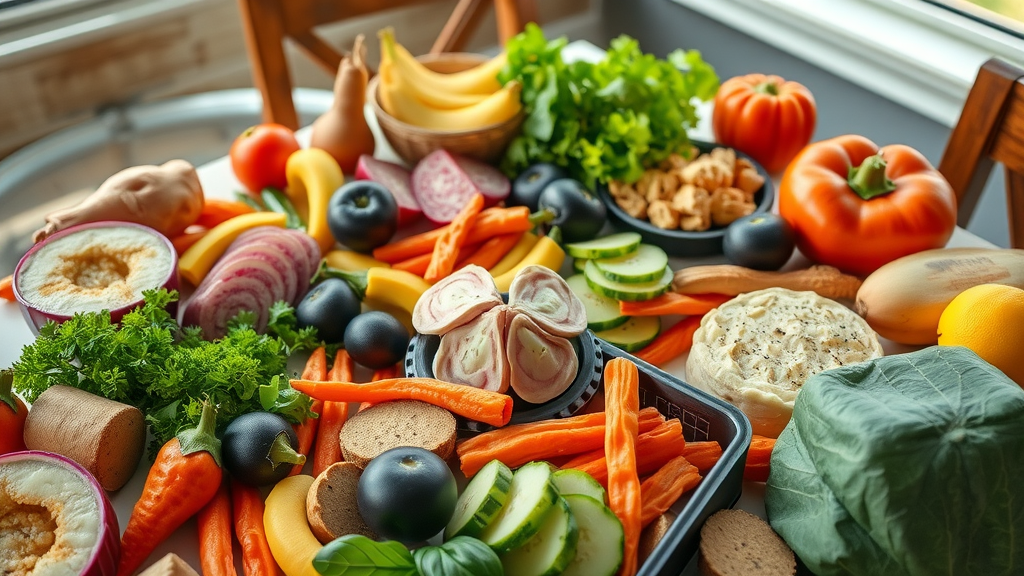
Healthy eating forms the cornerstone of every effective health tip. When you include more wholesome foods—such as leafy greens, berries, nuts, and whole grains—you fuel your body with essential nutrients that support every cell and system. Making simple swaps, like replacing white bread with whole grain or choosing fruit over dessert, can gradually transform your health without feeling restrictive. Remember: the focus is not perfection, but consistency in choosing more healthy foods each day.
Bringing intention to your meals sets a positive tone for the rest of your day. For instance, starting your morning with a nourishing, fiber-rich breakfast helps keep energy levels steady, making it less likely for you to crave unhealthy snacks. Research cited on various gov websites aligns with this practice, emphasizing the vital benefits of including a wide array of fruits and vegetables in your diet. This habit ensures you get enough antioxidants, vitamins, and minerals—key defenders against chronic health problems.

Incorporating Physical Activity into Your Lifestyle
Making physical activity part of your daily routine is one of the most impactful health tips you can follow. Not only does regular exercise help you lose weight or manage a healthy weight , but it also boosts your mood, keeps your heart healthy, and provides long-term health benefits . The good news is, you don’t need a gym membership to get moving! Simple activities like walking, dancing, gardening, or cycling can be just as beneficial when done consistently.
Aiming for at least 150 minutes of moderate-intensity aerobic activity per week, as recommended by leading health care agencies, is a realistic target for most people. You can split this into workable chunks—say, 30 minutes a day, five days a week—making it more manageable. Plus, adding short bursts of movement throughout the day, such as taking the stairs or doing some light stretches, helps keep metabolism engaged and supports your joint and muscle health long term.
The Health Benefits of Regular Exercise
Studies show that regular physical activity does more than just help you lose weight —it protects you from chronic diseases like heart disease , type 2 diabetes, and even certain cancers. Exercise has been linked to improved mental health, better sleep, and increased life satisfaction. The release of endorphins during movement can help combat stress, reduce anxiety, and sharpen cognitive abilities.
Over the years, positive changes from regular physical activity build up, lowering your risk of high blood pressure and unhealthy weight gain. Even light physical activities, such as housework or short walks, can add up and contribute to your overall wellness goals. Embracing movement as a source of joy, rather than a chore, makes it easier to stick with it—and unlock even greater vitality.

Making Smart Choices About Foods and Drinks
Choosing the right foods and drinks is an essential step in achieving optimal health. Every snack and meal is an opportunity to provide your body with nourishment or, unfortunately, with empty calories and excess sugar. It’s easy to overlook hidden sources of added sugar and saturated fat in processed foods and beverages. Prioritizing nutrient-dense options like vegetables, fruits, lean proteins, and healthy fats ensures your meals are both satisfying and supportive of your wellness goals.
Smart decisions at the grocery store—such as reading food labels and comparing products—put you back in control of your nutrition. Gradually replacing sugar-laden sodas with water, or opting for whole fruit instead of fruit-flavored snacks, can significantly cut down on your added sugar intake. By being mindful about portion sizes and limiting your intake of saturated fats , you take proactive steps to improve your health and prevent future health problems.
Discover the Impact of Saturated Fats and Added Sugars
Excessive consumption of saturated fats and added sugars is one of the leading causes of preventable health problems in adults and kids alike. Studies show a strong link between diets high in saturated fat and a greater risk of heart disease and high blood pressure . Think of foods like fatty cuts of meat, full-fat dairy products, and many packaged snacks—they often contain hidden saturated fats that can sneak into your diet.
Similarly, added sugars lurk in everything from breakfast cereals to sauces and beverages. Consumption of high amounts of added sugar has been associated with increased risks of obesity, type 2 diabetes, and heart conditions. Making a conscious effort to minimize these ingredients in your daily meals helps support weight management and long-term vitality. Smart swaps—like using olive oil instead of butter, or natural fruit for sweetness—deliver both flavor and health benefits.
How to Reduce Added Sugars in Your Diet
Cutting down on added sugars is easier than most people think. Start by checking nutrition labels on packaged foods and drinks —look for terms like corn syrup, sucrose, glucose, and evaporated cane juice, which all signal the presence of added sugar . Focus on enjoying naturally sweet foods, such as berries and apples, instead of reaching for cookies or soda. Gradually reducing sugar in your coffee or tea also helps your taste buds adjust to less sweetness.
Another effective strategy is shifting your mindset from restriction to replacement. Swap out sugary desserts for yogurt with fruit, or make your own homemade snacks using wholesome ingredients. This not only lowers your added sugars intake but also increases the fiber and essential nutrients you consume, improving your health and reducing risk factors for common health problems. Over time, these small changes add up, making your overall eating plan much healthier.

Managing a Healthy Weight
Maintaining a healthy weight is vital for physical and mental well-being. Carrying excess weight can increase your risk for several chronic conditions, including heart disease , diabetes, and high blood pressure . By focusing on gradual, sustainable lifestyle changes—such as mindful eating, balanced nutrition, and consistent physical activity —you can reach and maintain your ideal weight without extreme diets or deprivation.
The foundation for achieving and keeping a healthy weight involves understanding your unique metabolism and making choices that support, not sabotage, your body’s needs. It’s important to recognize that everyone’s path is different, and what works for one person may not work for another. With some experimentation, you’ll discover the routines and foods that make you feel your best while moving toward long-term wellness.
Effective Weight Loss Strategies
To lose weight successfully, aim for slow and steady results—typically, 1–2 pounds per week is considered safe by most health care experts. This can be achieved through a modest reduction in calorie intake, coupled with increased physical activity . Adding more vegetables and lean proteins to your meals while decreasing portions of refined grains and high-calorie foods will help create a calorie deficit in a sustainable way.
Beyond calorie counting, focus on the quality of your food choices. For example, choosing healthy fats like olive oil instead of processed spreads, and prioritizing whole foods over processed products, ensures you stay full longer and provide your body with key nutrients. Remember, emotional well-being also plays a significant role in weight loss ; practicing stress-management techniques and mindful eating can reduce overeating and support your goals.
Maintaining a Healthy Weight Long-Term
Long-term healthy weight maintenance is all about consistency with new habits. Regularly tracking your food intake and activity levels, staying hydrated, and getting adequate sleep are simple tactics that can make a big difference. Building a support network—whether through friends, family, or a health care provider—can keep you motivated when facing setbacks or plateaus.
Prioritize enjoyment in your routines. Select physical activities you love, such as swimming, walking, or yoga, so it feels like fun instead of a chore. Continue exploring new recipes and creative cooking methods to keep your meals interesting. The result? A truly sustainable approach to weight management that builds a foundation for lifelong health and happiness.

Healthy Eating Plan for Optimal Health
A well-designed eating plan enables you to get the most out of every meal. By planning nutritious breakfasts, lunches, snacks, and dinners ahead of time, you set yourself up for steady energy and fewer temptations. Emphasize a balanced mix of whole grains, lean proteins, healthy fats, and plenty of vegetables to boost your nutritional intake and satisfy your appetite through the day.
Consider using olive oil as your primary fat source—it’s heart-healthy, rich in unsaturated fat , and adds delicious flavor to everything from salads to roasted vegetables. Incorporating foods high in vitamins and minerals like oranges, leafy greens, and fish supports your immune system and overall well-being. Your eating plan should also reflect your unique tastes and lifestyle needs, ensuring it’s both enjoyable and sustainable.
Crafting an Effective Eating Plan with Olive Oil
Begin crafting your eating plan by choosing staple ingredients that offer robust health benefits , like olive oil , nuts, legumes, and whole grains. These foods not only taste great but also help protect your heart and manage cholesterol levels. Use olive oil instead of butter for sautéing or drizzling over salads, and incorporate legumes and whole grains for sustained energy release.
Meal prepping is an excellent technique—dedicate a couple of hours each week to cooking large batches of soup, roasting veggies, or assembling quick salads. This ensures you have healthy foods within reach, reducing the urge for unhealthy snacking. Remember to also enjoy variety and color in your diet, as diverse foods deliver a more complete spectrum of essential nutrient s, bolstering your health in the process.
Blood Pressure Management through Diet
Diet plays a major role in preventing and controlling high blood pressure . Consuming a variety of foods high in potassium, magnesium, and fiber reduces strain on blood vessels and supports better cardiovascular function. Limiting sodium and processed foods further decreases your risk of developing high blood pressure and related complications such as heart disease .
Adopting a balanced approach focused on whole, minimally processed foods, lean proteins, and healthy fats like those found in olive oil is a powerful strategy. These changes not only lower blood pressure but also improve overall energy and help maintain a healthy weight . Remember, the impact of food adds up over time—every meal is a chance to choose wellness.
Foods That Help Lower Blood Pressure
Certain foods are especially effective at promoting healthy blood pressure levels. Dark leafy greens, avocados, nuts, seeds, bananas, and olive oil all deliver potassium and other nutrients known for supporting vascular health. Including fatty fish like salmon and sardines provides omega-3 fatty acids, while whole grains and legumes add fiber for heart health.
It’s just as important to minimize foods high in sodium, such as canned soups, processed meats, and salty snacks. Swap these for fresh or frozen vegetables and lean proteins. Hydration is another factor—drinking plenty of water helps the kidneys regulate sodium levels naturally, further supporting healthy blood pressure .
The Connection Between Diet and Blood Pressure Control
Studies show a clear relationship between dietary habits and blood pressure levels. Diets high in added sugars and saturated fats can increase the risk of high blood pressure , while diets rich in fruits, veggies, and healthy fats (such as olive oil ) reduce it. Planning meals in advance and focusing on simple, wholesome ingredients can make a remarkable difference in your cardiovascular profile.
Being mindful of portion sizes and relying on spice, herbs, and citrus for flavor instead of salt can significantly cut sodium intake. Over time, these dietary shifts become second nature and, coupled with other health tips like regular exercise, sleep, and stress management, can deliver dramatic health improvement.
People Also Ask: What are 10 tips for good health?
Exploring Essential Health Tips for Overall Wellness
If you are searching for what really matters for your well-being, here’s a roundup of the top 10 health tips backed by experts:
- Eat plenty of fruits and vegetables daily.
- Limit added sugars and saturated fats .
- Stay physically active—aim for at least 30 minutes daily.
- Drink enough water and minimize sugary drinks.
- Prioritize sleep—7-8 hours each night.
- Manage stress through mindfulness or relaxation.
- Limit processed foods and unhealthy food and drink choices.
- Practice moderate portion sizes at every meal.
- Use healthy fats (like olive oil ) and lean proteins.
- Connect with others and cultivate positive relationships.
healthier life 
People Also Ask: What are the 5 health tips?
Discover 5 Core Health Tips for Everyday Living
Looking for a simple yet effective routine? Here are the five most essential health tips that can reshape your daily life:
- Build each plate around healthy food choices: whole grains, lean proteins, and lots of veggies.
- Exercise daily, even light movement counts towards better health.
- Avoid excess added sugar and cut back on saturated fat sources.
- Stay hydrated and choose water over sweetened foods and drinks .
- Make regular sleep and stress management a priority.
People Also Ask: What are 10 healthy habits?
Building Consistent Healthy Habits for Life
Developing healthy habits requires both patience and persistence. Here are ten habits to adopt for better health:
- Plan and prep meals ahead with an eating plan .
- Prioritize regular physical activity .
- Monitor and reduce added sugars .
- Incorporate a rainbow of fruits and veggies.
- Choose healthy snacks, like nuts or fresh fruit.
- Cook at home more often and limit takeout.
- Eat mindfully to avoid overeating.
- Get outside daily for sunshine and movement.
- Limit alcohol and avoid tobacco products.
- Stay curious—learn about nutrition and new recipes.
healthier life
People Also Ask: What is the most unhealthy thing you can do?
Identifying and Avoiding Unhealthy Lifestyle Choices
When it comes to what can most damage your wellbeing, chronic smoking and a sedentary lifestyle rank among the most unhealthy things you can do . These practices raise the risk for serious health problems like heart disease , obesity, and even cancer. In addition, excessive consumption of added sugars and saturated fats looms as another major contributor to widespread health issues across the United States .
Prolonged stress, lack of sleep, and heavy alcohol use also have profound long-term consequences, impacting everything from brain function to cardiovascular health. To avoid these pitfalls, focus on regular movement, quality nutrition, restorative sleep, and emotional wellness—these simple health tips counteract the harmful effects of modern habits.
“Let food be thy medicine and medicine be thy food.” – Hippocrates
Comprehensive Health Benefit Analysis
The Impact of Health Tips on Longevity and Vitality
Simple health tips can have a surprisingly powerful effect on your overall health and life span. By eating a nutritious diet, staying active, and managing stress, you’re not only investing in a longer life but also a fuller, more energized one. Studies show these practices profoundly reduce the risk of heart disease , certain cancers, and other leading causes of early death.
Your daily choices ripple outward, providing benefits like improved mood, higher energy, and muscle and joint protection against injury or age-related decline. Over time, building these health tips into your lifestyle greatly increases your ability to stay active, enjoy family and friends, and make the most out of every day—no matter your age.
Conclusion and Final Thoughts on Health Tips
The Transformative Power of Implementing Health Tips
Start today by choosing one new health tip —like swapping sugary drinks for water or planning active breaks—and notice how it makes you feel. Build on these small habits for major long-term gains, and remember, each positive step brings you closer to impactful, lasting vitality.
Comparative Analysis of Food Groups and Their Health Benefits
| Food Group | Major Nutrients | Primary Health Benefits |
|---|---|---|
| Fruits & Vegetables | Vitamins, Antioxidants, Fiber | Lower disease risk, improve immunity, better digestion |
| Whole Grains | Fiber, B Vitamins, Iron | Support heart health, regulate blood sugar |
| Lean Proteins | Protein, Iron, Zinc | Muscle repair, energy, satiety |
| Healthy Fats (Olive Oil, Nuts, Seeds) | Healthy fats, Vitamin E | Protect heart, support brain, reduce inflammation |
List of Minimal Lifestyle Changes for Maximum Health Benefits
- Replace soda with water or herbal tea.
- Add an extra vegetable to every meal.
- Take a 10-minute walk after meals.
- Switch to whole grain bread or pasta.
- Cook one new healthy recipe per week.
Step-by-Step Guide to Creating a Personalized Eating Plan
- Assess your favorite healthy foods and current routines.
- Set realistic goals, such as more veggies or home-cooked meals.
- Create a shopping list prioritizing whole, fresh items.
- Prep ingredients in advance for convenience.
- Track your meals and tune your plan as needed.
Common Questions on Health Tips and Daily Routines
- How can I get started with healthy eating if I’m on a tight budget?
- Start by planning meals around affordable basics—like beans, rice, oats, and in-season produce. Buying in bulk and minimizing processed foods can help you stretch your budget while still nurturing healthy habits.
- Is it necessary to cut out all saturated fat?
- No—the goal is to limit saturated fat, not eliminate it entirely. Swap in healthy fats like olive oil where you can, and enjoy treats in moderation to maintain a balanced, healthy diet.
- What’s the easiest way to boost physical activity at home?
- Simple activities like going for a walk, dancing, or doing home workout videos can be very effective. The key is consistency—aim for at least 30 minutes a day, even if you break it up throughout the day.
- How do I stay motivated to follow my health tips?
- Set small, achievable goals and track your progress. Having a friend, family member, or support group to share successes or challenges with can increase accountability and motivation.
Exclusive Video Content on Health and Wellness
Fitness Routines Tailored to Your Lifestyle
Explore fun and effective fitness routines—perfect for beginners, busy professionals, or seniors. Find video demonstrations of exercises that suit your physical ability and fit seamlessly into your schedule!
Nutritional Advice for a Balanced Diet
Watch exclusive video content from nutrition experts as they share tips for balancing meals, meal prepping, and using pantry staples to build delicious, satisfying, and nourishing dishes for you and your family.
Leave a Reply