Ever wondered if the secret to a healthier you lies in eating like a caveman or burning fat by cutting carbs? The debate ofpaleo vs ketogenicdiets is hotter than ever—and choosing the right plan could transform not just your waistline, but your overall health. Let’s demystify these popular diets and discover which fits your lifestyle, goals, and taste buds.
If you’re seeking lasting weight loss , more energy, or reduced inflammation, picking the right diet plan is crucial. This ultimate guide unpacks the science, health benefits, and pitfalls behind the paleo diet and keto diet —helping you make an informed, confident choice.
Understanding the Paleo Diet
The paleo diet —sometimes called the caveman diet —focuses on foods believed to have been available to our ancestors in the Paleolithic era. By eliminating processed foods , grains, legumes, and refined sugars, advocates say it brings us back to a more “natural” style of eating. This approach isn’t just about nostalgia; it’s about fueling your body with unprocessed ingredients and simple food choices to support energy, digestion, and overall well-being.
Unlike many modern diets, paleo eating prioritizes high-quality proteins, vegetables, nuts, fruits, and healthy fats, aiming to avoid the modern pitfalls of packaged snacks and refined sugar . By basing daily meals on what early humans might have hunted or gathered, paleo diets argue for a return to eating foods that align with our biology. Let’s break down what this really means for your plate.
Core Principles of the Paleo Diet
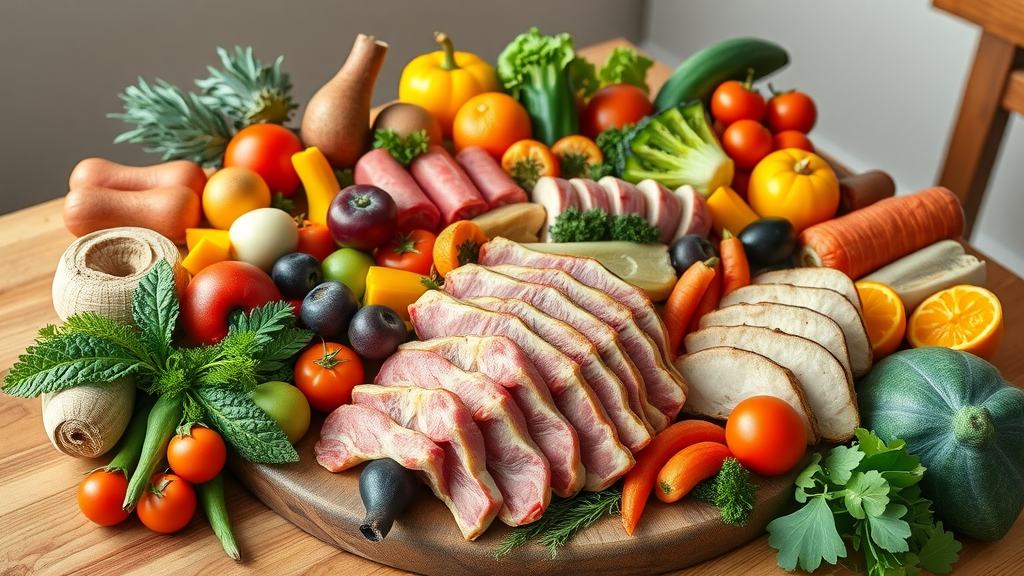
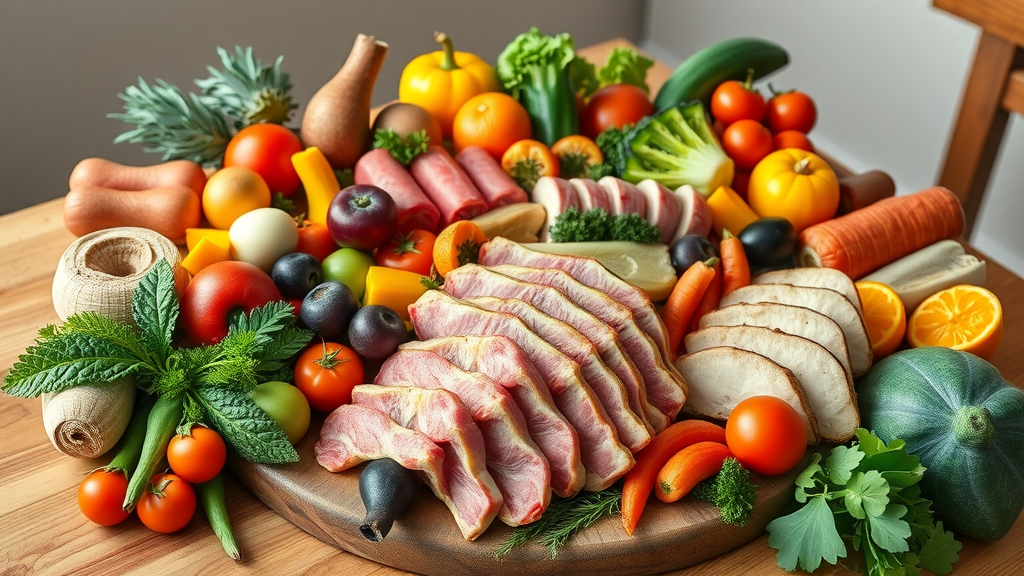
At its core, the paleo diet is about simplicity. It emphasizes eating foods that are as close to their natural state as possible. Meat, fish, eggs, seeds, nuts, herbs, and fresh produce dominate the diet, while processed foods, grains, dairy, legumes, and artificial additives are excluded.
The rationale is rooted in evolutionary biology: proponents believe the human body has not fully adapted to modern agricultural foods, instead thriving on a pre-agricultural diet. The focus on whole foods increases nutrient density and minimizes exposure to additives or allergens commonly found in today’s diets. This makes paleo especially appealing to those seeking a reset or dealing with sensitivities.
Health Benefits of the Paleo Diet
Numerous studies have shown that switching to a paleo diet may support weight loss by reducing caloric intake and increasing satiety with nutrient-dense foods. By removing processed food and refined sugar, many people experience improved blood sugar control and better digestion.
The diet’s emphasis on fresh produce and healthy fats can also benefit heart health , help lower inflammation, and possibly reduce risk factors for chronic diseases. Advocates of paleo diets often report increased energy, clearer skin, and even alleviation of some autoimmune symptoms. Still, it’s essential to recognize that individual results may vary depending on overall food choices and lifestyle.
Potential Negatives from the Paleo Diet
While there’s much to praise about the paleo diet , it isn’t without drawback. Excluding grains and legumes means some people may not get enough fiber or certain vitamins and minerals. For those who rely on beans, lentils, or whole grains for protein and heart-healthy nutrients, missing out could become an issue over time.
Cost and accessibility are additional concerns—the diet favors grass-fed meats, wild-caught seafood, and organic produce, which can strain your budget or limit choices. Social situations may also get tricky, making it hard to stick to strict paleo eating when eating out. Before you make drastic changes, it’s important to consider whether you can sustain the paleo lifestyle long-term.
Diving into the Ketogenic Diet
The ketogenic diet —often called “keto”—is a high-fat, very low-carb eating plan that’s made headlines for its dramatic weight loss effects and potential health benefits. By shifting your body’s primary fuel source from carbohydrates to fats, keto aims to induce a metabolic state called ketosis . In ketosis, your liver converts fats into ketones, supplying energy to your brain and muscles.
Unlike the paleo diet, keto is primarily a low carb , high fat diet that allows some processed foods if they’re low in carbs and sugar. Keto focuses less on food “naturalness” and more on strict macronutrient ratios—typically about 70-80% calories from fat, 10-20% from protein, and 5-10% from carbohydrates. Now, let’s see how this translates to real-world food choices .
Core Principles of the Ketogenic Diet
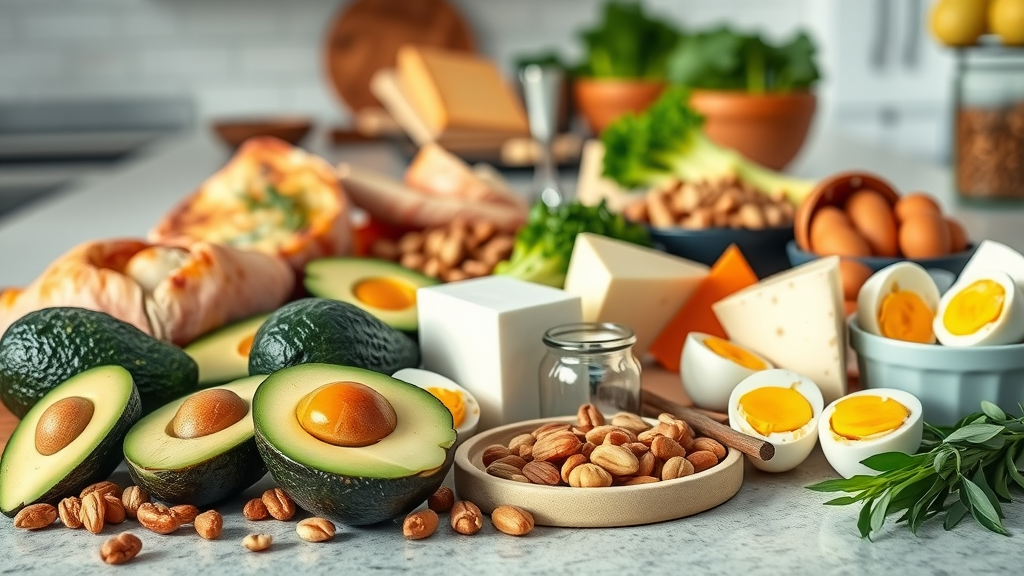
The primary goal of the ketogenic diet is to reduce carb intake enough to switch the body’s metabolism into ketosis . This means eliminating most grains, sugar, starchy vegetables, and fruit, focusing instead on high-fat foods like avocados, nuts, cheese, fatty fish, and oils.
Instead of aiming for “naturalness” like paleo, keto prioritizes macronutrient manipulation—measuring fats, proteins, and carbs to stay in the right metabolic zone. Even foods that seem healthy, like sweet potatoes or certain fruits, may be avoided due to their carb content. This precise tracking can be a hurdle but also a strength for those who thrive on structure.
Health Benefits of the Ketogenic Diet
The keto diet has rapidly gained popularity thanks to success stories about quick weight loss . By dramatically decreasing carb intake, people often see rapid water weight loss, followed by fat loss. Studies also suggest the ketogenic diet can stabilize blood sugar , making it attractive for those with insulin resistance or type 2 diabetes.
Other notable benefits may include improved energy, enhanced mental clarity, and decreased inflammation markers. Some ongoing research even hints at therapeutic potential for neurological disorders, though more data is needed. Like with the paleo diet, the impact of keto often depends on long-term adherence and overall diet quality.
Common Challenges of the Ketogenic Diet
The low carb nature of keto means giving up a wide range of foods—bread, pasta, fruit, and even certain vegetables. This can make it socially isolating or difficult to eat out. Many experience the “keto flu” in the first few weeks, with fatigue, headaches, and irritability as the body adapts to burning fat for fuel.
The high intake of fats, if not carefully chosen, can lead to increased saturated fat consumption, which has been linked to heart disease in some studies. Long-term impacts are still being explored, and not everyone’s body responds well to such a radical dietary shift. Monitoring your health and consulting with a nutritionist is always advised if you’re considering keto for the long haul.
Comparing Paleo vs Ketogenic Diets
When it comes to paleo vs ketogenic , the most noticeable difference is in carb philosophy. Both limit processed foods, but keto is far more aggressive in its carb intake reduction, aiming for a fat-fueled metabolism. Paleo emphasizes food quality and ancestral eating, while keto is about macronutrient engineering.
The overlap between paleo and keto diets means they’re sometimes confused. However, the paleo diet permits more fruits and naturally starchy vegetables—while keto excludes most due to their sugar content. Let’s compare how each stacks up for weight loss, heart health, and carb control.
Weight Loss Potential: Paleo vs Keto
Both the paleo diet and the keto diet have track records for supporting weight loss . Paleo aids in weight loss mainly by focusing on whole, nutrient-dense foods and cutting out high-calorie processed snacks. Keto, on the other hand, works by inducing a state of ketosis —leading the body to burn stored fat for energy due to carb scarcity.
Keto’s stricter approach often produces quicker initial weight loss, but some find the diet hard to sustain. Paleo provides more food flexibility, making it easier to stick with long term, though results may be slower. Ultimately, the best diet is one that fits your habits and is sustainable for your health goals.
Impact on Heart Health and Blood Pressure
Heart health is a common concern with any fat diet . Paleo’s avoidance of processed foods and refined sugar helps lower inflammation and potentially reduce blood pressure . Healthy fats from nuts, seeds, and fish can further support cardiovascular well-being.
The keto diet is more controversial. While some studies have shown it can increase good HDL cholesterol and reduce triglycerides, its high intake of saturated fats may pose risks for those with underlying heart disease. Careful attention to fat sources (favoring unsaturated over saturated fats) is essential. Consulting your doctor before starting keto is especially important if you have any heart risk factors.
The Role of Carbohydrates in Each Diet
The biggest nutritional chasm between keto and paleo is carbohydrate management. Paleo allows for moderate carb intake through fruits, root veggies, and honey, offering more flexibility and variety. Keto is strictly low carb ; going above small amounts of carbs per day can knock you out of ketosis.
If you’re an athlete or need more carbs for your lifestyle, paleo may be better suited. Keto may offer health benefits for those who are sedentary or need strict blood sugar control, but requires vigilance and restriction. Your personal energy needs and preferences should guide your diet choices .
Paleo and Keto: Which is Better for Your Goals?
The debate of paleo and keto isn’t about one being “better” universally; it’s about which supports your unique health journey. Are you looking to reduce inflammation, lose weight, manage blood sugar, or sustain long-term wellness? Understanding each diet’s anti-inflammatory properties and carb friendliness will help you decide.
Let’s examine how paleo vs ketogenic stacks up on inflammation management, carb tolerance, and everyday practicality.
Anti-inflammatory Properties: Paleo vs Keto
Both diets may help lower inflammation by excluding processed foods, sugar, and unhealthy fats, but paleo’s higher emphasis on fruits and veggies delivers more antioxidants and micronutrients. This can help lower inflammation for many people, making paleo diets especially popular among those with autoimmune or inflammatory conditions.
Keto also lowers inflammation, particularly by stabilizing blood sugar and eliminating refined carbohydrates. While the keto diet restricts many anti-inflammatory fruits and vegetables, focusing on sources of healthy fat like avocados, olive oil, and fish can offer similar benefits when managed carefully.
Suitability for a Carb Diet
If you crave flexibility with your carb intake , paleo is more forgiving, making it easier for athletes or those who enjoy fruit and root vegetables. The paleo diet supports a moderate-carb lifestyle without the burden of strict calculations or fear of being “kicked out” of ketosis.
Keto and paleo both minimize processed food, but only keto is strict about daily net carbs. Those seeking mental sharpness or rapid weight loss through carb restriction may prefer keto, but social eaters or those who thrive on a carb diet will find paleo more sustainable.

Deciphering the Nutritional Differences
Nutrition is about more than just carbs or calories. The main distinction in paleo vs ketogenic diets lies in their treatment of fats, grains, and legumes. Let’s break down those critical differences to see which aligns with your wellness vision.
The type and source of healthy fats you consume, and your approach to grains and legumes, can significantly impact long-term health. A closer look helps demystify which elements are essential—or excluded—in each diet.
The Importance of Healthy Fats
Both keto and paleo emphasize healthy fat , but their sources and ratios vary greatly. Paleo encourages moderate consumption of healthy fats from nuts, seeds, avocados, olive oil, and fatty fish—as part of a balanced, whole-foods approach.
The ketogenic diet, on the other hand, requires a high intake of fat—often 70% or more of your calories. It’s easy to tip into higher saturated fat consumption, so success on keto means prioritizing unrefined oils, nuts, and omega-rich foods over processed or animal-only fats.
Grains and Legumes: Why They Differ
A controversial point in keto and paleo diets is their exclusion of grains and legumes . Paleo avoids these due to their perceived impact on gut health and their absence from the Paleolithic menu; grains can contain antinutrients like lectins and phytates, which some believe can disrupt digestion or harm nutrient absorption.
On the keto diet, grains and most legumes are excluded mainly for their carbohydrate content, which can interfere with ketosis. Both diets promote gluten-free eating by default but for very different reasons—ancestral philosophy (paleo) and metabolic precision (keto).
Expert Opinions: What the Experts Say
“While both the paleo and keto diets can support weight loss and kickstart healthier eating patterns, long-term success hinges on food quality, nutrient variety, and how sustainable the plan feels for each individual,” says Dr. Alicia Simons, registered dietitian. “Listening to your own body’s response, and getting advice from a professional, is key.”
“Some clients experience dramatic health improvements on keto, while others thrive with the flexibility and plant-rich focus of paleo,” adds nutritionist Matt Reyes. “It’s less about which is ‘better’ and more about which works for your unique lifestyle, medical history, and preferences.”
Tables for a Quick Comparison
| Paleo Diet | Keto Diet | |
|---|---|---|
| Main Focus | Whole, unprocessed foods | High fat, very low carb |
| Carbs (% of daily intake) | 20-35% | 5-10% |
| Fat (% of daily intake) | 35-45% | 70-80% |
| Protein (% of daily intake) | 25-35% | 15-25% |
| Food Group | Paleo | Keto |
|---|---|---|
| Grains | Excluded | Excluded |
| Legumes | Excluded | Excluded |
| Fruit | Allowed (limited) | Mostly excluded |
| Starchy Veggies | Allowed (limited) | Excluded |
| Dairy | Excluded | Allowed (if low-carb) |
| Processed Foods | Excluded | Minimized |
Addressing Common Misconceptions
Is Paleo Truly the Best Anti-Inflammatory Diet?
The paleo diet is lauded for its anti-inflammatory effects, thanks to a focus on whole foods, healthy fats , and antioxidants from fruits and vegetables. However, calling it the “best” may be an overstatement—many carb diet plans rich in whole foods also offer anti-inflammatory benefits. Paleo’s exclusion of grains and legumes is debated; some research suggests these foods can actually reduce inflammation. Ultimately, an anti-inflammatory diet is one customized to your personal sensitivities and needs.
Why Are Beans Excluded from the Paleo Diet?
Beans and other legumes are not part of the paleo diet because of their antinutrient content—natural compounds that can hinder nutrient absorption or irritate the gut. From an ancestral lens, legumes weren’t commonly eaten in large amounts during the paleolithic era . While this may improve gut health for some, others can safely enjoy beans as part of a balanced diet depending on their individual response and nutritional needs.

FAQs
- Is Paleo healthier than Keto?
Each diet offers unique health benefits. Paleo is often considered healthier for those seeking a more balanced, long-term approach, particularly if you want flexibility with carb intake and variety. Keto may offer rapid weight loss and better blood sugar control if you can sustain its restrictions. Choose based on your health goals and what you can maintain for the long haul. - What are 5 negatives from the Paleo diet?
Five common drawbacks of the paleo diet include: 1) Limited variety due to food exclusions; 2) Potential nutrient deficiencies (fiber, calcium) if not planned well; 3) Higher grocery bills from sourcing quality meats and produce; 4) Social challenges when eating out; 5) Difficulty meeting energy needs for athletes or those with high activity levels. - Is Paleo the best anti-inflammatory diet?
While paleo can help lower inflammation by removing processed foods and sugar, it’s not the only anti-inflammatory approach. Eating a variety of colorful fruits, vegetables, whole grains, and legumes (if tolerated) can also reduce inflammation. Customizing diet plans to your unique needs is key. - Why are there no beans on Paleo?
Beans are excluded from the paleo diet due to their content of lectins and phytates (antinutrients) and the belief that they weren’t widely consumed in the paleolithic era . This exclusion may benefit those with digestive sensitivities, but many people can include beans as part of a healthy, balanced carb diet .
Weighing Your Options: Making an Informed Decision
Deciding Based on Personal Health Goals
Whether you choose paleo vs ketogenic , put your own goals, preferences, and medical needs first. If rapid weight loss , mental focus, or stable blood sugar is your priority, keto may be worth considering with professional support. If you want long-term health, digestive comfort, and dietary variety, paleo might better suit your needs.
Remember, the best diet plan is one that aligns with your health history, supports your lifestyle, and doesn’t trigger excessive stress or deprivation. It’s always wise to consult with a registered dietitian or medical professional before making lasting dietary changes.
Combining Elements from Both Diets
Many people find success by blending the best aspects of keto and paleo —focusing on high-quality, unprocessed foods while mindfully monitoring carbohydrate intake to reap the benefits of both approaches. This “flexitarian” approach can reduce the rigidity of keto while maintaining the clean-eating focus of paleo, possibly optimizing weight loss and heart health in a more sustainable way.
Conclusion and Next Steps
Practical Tips for Transitioning to a New Diet Strategy
Start by removing processed foods and added sugars, then gradually shift your food choices to align with paleo or keto principles. Monitor your energy, mood, and lab results. Adjust based on how you feel—diet is never one-size-fits-all.
Personalizing Your Diet for Optimal Health
Listen to your body, stay flexible, and work with a nutritionist or doctor to fine-tune your eating plan. A personalized approach gives you the highest chance for lasting health, weight loss , and satisfaction with your diet plan .
Ready to take the first step? Choose the path that feels sustainable, and embrace the journey towards a healthier, happier you.
Leave a Reply