
- Did you know nearly 60% of people abandon the keto diet within the first month? Discover science-backed steps you can use today to beat the odds.
- What You’ll Gain from Mastering the Keto Diet:
-
- Understand how the keto diet works on a metabolic level
- Identify and prevent common keto diet pitfalls
- Learn meal planning, grocery shopping, and food swaps for keto success
- Explore strategies to overcome keto plateaus and side effects
- See real-world results and motivational stories

Understanding the Keto Diet: What Sets the Keto Diet Apart
- Defining the ketogenic diet
- Main differences: keto diet vs. atkins diet and mediterranean diet
- The science behind achieving and maintaining ketosis
The keto diet —formally known as the ketogenic diet —is a structured high-fat, very low-carb diet that sends your body into a metabolic state called ketosis . When you follow a keto diet, your body switches from burning glucose (sugar) for fuel to burning fat—and producing ketone bodies in the process. This shift can offer rapid weight loss , stable blood sugar , and improved mental clarity.
What sets the keto diet apart from other carb diets like the atkins diet or mediterranean diet ? Unlike moderate carb diets, strict keto limits net carbs to 20–50 grams per day, requiring careful food tracking. In contrast, the atkins diet allows a gradual reintroduction of carbs after initial phases, and the mediterranean diet encourages heart-healthy fats, lean proteins, and grains—making it less restrictive but not ketogenic. The main goal of keto is to maintain sustained ketosis, not just cut carbs, while avoiding saturated fats overload for optimal heart disease prevention.
Scientifically, reaching—and maintaining ketosis —involves consistency with carb limits and high fat intake. Your body burns stored fat for fuel, signaling weight loss. However, it’s crucial to balance healthy fats like avocados and olive oil while being mindful of side effects such as fatigue (“keto flu”), electrolyte imbalances, and possible increases in cholesterol for some users. Understanding these scientific differences will help you make informed diet choices.
| Diet | Carb Intake | Fat Intake | Protein Intake | Main Focus |
|---|---|---|---|---|
| Keto Diet | 20–50g/day | 70–80% | 15–25% | Ketosis, rapid weight loss |
| Atkins Diet | 20–100g/day (varies with phase) | 60–70% | 20–30% | Weight loss, gradual carb addition |
| Mediterranean Diet | 35–50% daily | 30–40% | 15–20% | Heart health, flexibility, plant-rich foods |
Core Keto Diet Rules for Fast Success
- What are the rules for the keto diet?
- Daily carb limits and food tracking
- Macronutrient ratios explained
The secret to fast results on the keto diet lies in unwavering adherence to a few non-negotiable rules. First, keep daily net carbs well below 50 grams (ideally 20–30g) to ensure your body remains in ketosis . This means cutting bread, pasta, sugar, and starchy vegetables—and diligently logging what you eat using a keto diet tracker or app. Second, emphasize healthy, high fat sources for 70–80% of your calorie intake, such as avocado , olive oil , nuts, fatty fish, and eggs. Protein should remain moderate (not excessive) at 15–25% to avoid kicking your body out of ketosis, while carbs should stay at 5–10%.
Tracking your macros (carbohydrates, proteins, and fats) is essential. Use apps and food diaries to record every meal, as hidden carbs can stall your progress. Focus on foods that support long-term adherence such as leafy greens, non-starchy veggies, and high-quality proteins, and swap processed ingredients for whole, unprocessed foods. Diet experts stress that, “ The key to long-term keto diet success is consistency with carb restriction. ” Especially when just starting, meticulously reading labels and setting meal reminders will help you form habits and avoid early pitfalls like keto flu and cravings.

“The key to long-term keto diet success is consistency with carb restriction.” – Registered Dietitian
Keto Diet Foods: What You Can and Can’t Eat
What Do You Eat on a Keto Diet?
- Keto-friendly foods
- High-fat proteins, low-carb vegetables, healthy fats
- Sample keto meal plan
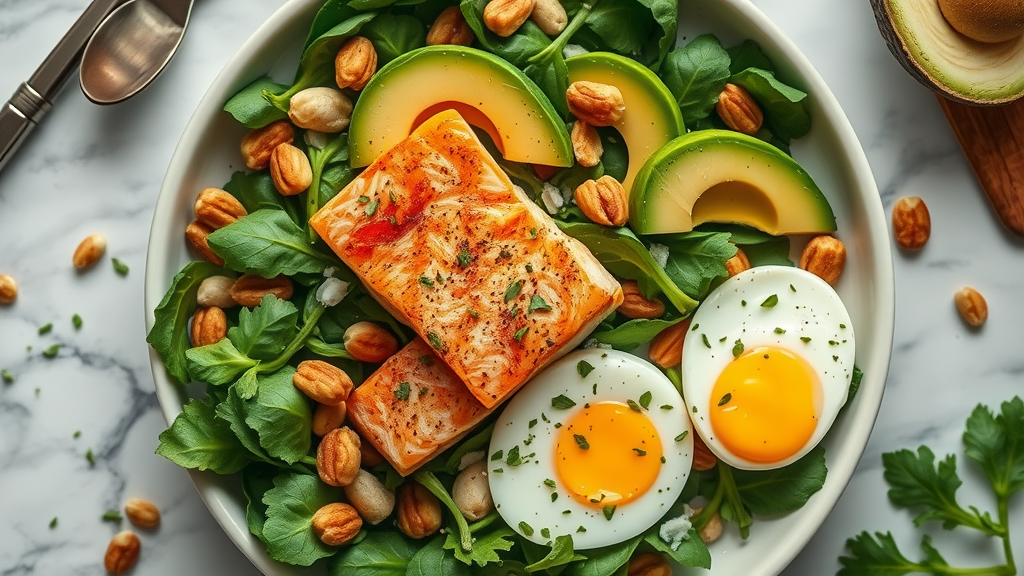
When you start a keto diet , knowing which foods to embrace (or skip) is half the battle. Fill your grocery cart with high-fat proteins such as salmon, tuna, steak, eggs, and poultry. Pair these with low-carb vegetables like leafy greens, broccoli, spinach, and zucchini—vegetables that pack nutrients with minimal carbs. Healthy fats are a cornerstone of the ketogenic diet: rely on avocados , olive oil , coconut oil, macadamia nuts, and grass-fed butter to create filling, satisfying meals.
A sample keto meal plan may look like this: scrambled eggs with spinach in olive oil for breakfast, grilled salmon salad with avocado and pumpkin seeds for lunch, steak with sautéed mushrooms and roasted asparagus for dinner, and a snack of cheese or almonds. By focusing on these foods, you’ll keep carbs low, support fat burning , and stay energized throughout the day. Remember, careful meal planning is a proven way to stay consistent, beat cravings, and set yourself up for long-term keto success.
The keto diet is flexible—a well-balanced eating plan that features ample variety as long as carb limits are respected. Building meals around these keto-friendly staples means you never need to feel deprived, with endless options for creative and delicious dishes.
What Foods Are Allowed on the Keto Diet?
- Foods to avoid on the keto diet
- Hidden carbs and surprising ingredients
To achieve success on the ketogenic diet , you must also know which foods to avoid. Rule out bread, pasta, rice, potatoes, corn, most fruits (other than small portions of berries), and all sources of processed sugar. Watch out for high-carb sauces, condiments, and processed snacks, as they frequently harbor hidden starches and sugars that can push you over your daily limit. Even “diet-friendly” products may include maltodextrin or sneaky ingredients which disrupt ketosis —read labels for anything ending in “-ose” (sugars).
Be cautious with foods like low-fat yogurt, granola, or protein bars, which are marketed as healthy but often loaded with carbs. Hidden carbs often come from starchy veggies like carrots and peas, beans, honey, and even some dressings. When in doubt, choose whole foods over processed, and measure portion sizes carefully. Understanding these distinctions will prevent accidental carb over-consumption and support sustained weight loss results.
Creating Your Personal Keto Diet Eating Plan
- Steps to building a tailored keto eating plan
- Working with a registered dietitian for customized plans
Optimizing your eating plan is crucial for keto success, especially since everyone’s needs vary by age, activity, and health issues . Begin by setting your own carb, fat, and protein targets, using online calculators or working directly with a registered dietitian . Plan your daily meals and snacks in advance, focusing on whole, unprocessed keto foods. Prep meals in batches and keep nutritious snacks—like hard-boiled eggs or nuts—conveniently on hand. If your goal is to lose weight , closely monitor portion sizes and caloric intake.
For personalized results, consider scheduling a consultation with a registered dietitian who specializes in ketogenic diets . These professionals analyze your medical history, lifestyle, and goals to design a realistic, balanced plan that minimizes side effects and maximizes health. A dietitian can also help prevent potential nutrient deficiencies and support you through plateaus and setbacks. Remember—customization and support are keys to building an eating plan you can stick with for the long run.
Grocery Shopping Tips for Keto Diet Success
- Pantry staples for the keto diet
- Reading nutrition labels: what to watch for
Make your keto journey simpler by stocking your pantry with essentials: eggs, cheese, canned salmon or tuna, coconut or olive oil, leafy greens, nuts, seeds, and healthy nut butters. Always check nutrition labels for total carbs, fiber (to calculate net carbs), sneaky sugars, and saturated fats . Pay attention to serving sizes—common keto slip-ups stem from underestimating portions or missing stealthy carbs in condiments and sauces.
When shopping, stick to the perimeter of the grocery store, where most whole foods live. Carry a shopping list to avoid impulse buys of non-keto-friendly foods. Before adding a new item to your cart, scan ingredients and nutrition facts to rule out added sugars or starches. With time, you’ll spot “keto imposters” and quickly identify which foods work best for your keto eating plan .

Health Benefits of the Keto Diet: Beyond Weight Loss
- Health benefits: weight loss, improved energy, stabilized blood sugar
- The keto diet and heart disease: what the research says
While most people try the keto diet for rapid weight loss , research reveals a range of other health benefits . Studies show many people experience steadier energy levels, fewer sugar crashes, and improved blood sugar control while in ketosis. Some medical research even suggests the ketogenic diet can benefit neurological disorders, such as epilepsy, and may provide advantages for people managing type 2 diabetes .
The relationship between the keto diet and heart disease is complex. Some studies suggest that by lowering insulin and blood pressure , the diet may improve cardiovascular risk factors in the short term. However, paying attention to the types of fat consumed is crucial. Focus your diet on healthy fats—such as olive oil , nuts, seeds, and fatty fish—while limiting saturated fat from processed sources. More research is needed , but evidence shows that a thoughtfully-executed keto plan can have a positive impact on metabolic and heart health for many when monitored carefully.
“Many patients with type 2 diabetes have found the keto diet to be a game changer for their blood glucose management.”

Keto Diet for Weight Loss: Strategies to Lose Weight and Keep It Off
Can I Lose 10 Pounds in 3 Weeks on Keto?
- Realistic keto diet weight loss expectations
- Tips to boost fat burning while on the keto diet
A common question is whether you can lose weight quickly—specifically, ” Can I lose 10 pounds in 3 weeks on keto? ” Many experience a rapid drop in weight, especially in the first few weeks of a keto diet , partly due to shedding water weight as carb stores deplete. However, true fat loss varies by individual factors such as starting weight, metabolic rate, and activity level. Consistency is key: those who track macros, stay hydrated, and prioritize sleep often see the best results.
To boost fat burning , incorporate foods rich in healthy fats and keep carbs very low. Combine your keto efforts with regular physical activity and, for some, intermittent fasting to maximize fat loss. This approach helps your body burn stored fat more efficiently, further supporting significant and sustained weight loss .
Plateau Busting: What to Do When Keto Weight Loss Slows
- Signs you’ve hit a plateau
- Intermittent fasting and the keto diet
- Customizing your keto eating plan for renewed results
Many dieters eventually hit a weight loss plateau —a point where progress stalls despite sticking to the keto diet . Common signs include stalled weight, decreased energy, and frustration. Plateaus often result from hidden carb intake, stress, insufficient hydration, or metabolic adaptation. The solution? Check portion sizes, optimize fat to protein ratios, and revisit your meal tracking to eliminate accidental carb creep.
Consider experimenting with intermittent fasting , which restricts eating to specified windows (like 16:8). This method can enhance body burn and help break through stubborn plateaus. Alternatively, adjust your activity level or try targeted keto —eating carbs only around workouts—to cycle metabolism. Don’t be afraid to consult a registered dietitian who can fine-tune your keto eating plan and troubleshoot unique barriers for renewed results.

Keto Diet Side Effects and How to Manage Them
- Common side effects: keto flu, fatigue, digestive issues
- Safe transition tips for the ketogenic diet
Starting the keto diet may bring side effects —the most notorious being the “keto flu,” which can cause headaches, brain fog, irritability, nausea, and fatigue as your body adapts to burning ketone bodies for fuel. Some people report digestive issues like constipation or diarrhea, while others note changes in sleep or energy levels. These symptoms are temporary, but can be discouraging if you’re not prepared.
The best way to ease the transition is gradual carb reduction before starting keto, along with drinking plenty of water, increasing your intake of electrolyte-rich foods (like leafy greens and nuts), and supplementing with magnesium and potassium as needed. For most, symptoms subside within a week or two as the body adjusts. However, tracking your symptoms—and seeking expert help if problems persist—is essential for safe and sustainable success.
When to Seek Advice from a Registered Dietitian
- Who should avoid the keto diet
- Monitoring heart disease risk and other pre-existing conditions
Not everyone is a good candidate for a strict ketogenic diet . If you have a history of kidney stones , chronic heart disease , liver issues, or certain metabolic disorders, consult a registered dietitian or healthcare provider before starting keto. Pregnant or breastfeeding women, as well as those with type 1 diabetes, should also seek expert advice. Regular check-ins with your medical team will help you monitor cholesterol, blood pressure , and kidney function and minimize risks.
Ongoing professional support ensures your keto eating plan remains balanced, nutritionally complete, and safe for your unique needs. If you experience persistent side effects or plateau, a registered dietitian can troubleshoot and suggest practical modifications. Their expertise provides peace of mind, especially for those with complex health needs or long-term wellness goals.

Comparing the Keto Diet to Other Popular Diets
- Keto diet vs. atkins diet: carb intake and sustainability
- Mediterranean diet vs. keto diet for overall health
A common question among dieters is how the keto diet stacks up against alternatives like the atkins diet or the mediterranean diet . While all three diets restrict carbs to some extent, the keto diet’s rigid carb cap forces the body into ketosis, while atkins allows gradual carb increases in later stages. Keto delivers rapid fat loss but can be harder to maintain over the long term .
By contrast, the mediterranean diet prioritizes plant-based foods, healthy fats, and occasional grains—making it less restrictive and easier to sustain for heart disease prevention and longevity. Keto can be highly effective for weight loss and blood sugar control, but the best eating plan is one you can maintain, whether strict keto or a more flexible approach like mediterranean.
| Diet | Pros | Cons |
|---|---|---|
| Keto Diet | Rapid weight loss, appetite suppression, metabolic benefits | Side effects (keto flu, nutrient gaps), challenges with long-term sustainability |
| Atkins Diet | Flexible carb reintroduction, moderate fat intake | Risk of overeating unhealthy fats, less focus on quality carbs |
| Mediterranean Diet | Cardiovascular support, high food variety, sustainable | Slower weight loss, less structure for rapid fat loss |
Achieving Long-Term Success with the Keto Diet
- How to avoid burnout/relapse on a ketogenic diet
- Flexible keto: cyclical and targeted approaches
- Top 5 Mistakes to Avoid When Starting the Keto Diet
- Motivation: Real-Life Keto Diet Success Stories
Sustaining the keto diet is possible if you keep things flexible and avoid common pitfalls. Practice cyclical keto (occasional carb re-feeds) or targeted keto (extra carbs around workouts) to help avoid burnout while supporting energy and performance. Regularly refresh your meal ideas and connect with supportive communities, so you don’t feel isolated or deprived.
Avoid these top five mistakes:
- Not tracking your macros closely enough
- Eating too much protein (which can kick you out of ketosis)
- Neglecting electrolytes and hydration
- Consuming hidden carbs from sauces, condiments, or packaged goods
- Lack of planning ahead, leading to temptation and relapse
health issues 
People Also Ask: Your Keto Diet Questions Answered
What do you eat on a keto diet?
- Typically, keto diet foods include fatty fish, meats, eggs, cheese, low-carb vegetables (spinach, broccoli), avocados, and healthy oils, restricting sugar and starches.
A successful keto diet routine prioritizes high-fat proteins, eggs, low-carb leafy greens (like spinach and kale), nuts, avocados, and healthy fats (such as olive oil and coconut oil). All meals minimize sugars, grains, and high-starch veggies to keep carb intake low while maximizing fullness and flavor.
What are the rules for the keto diet?
- The rules for the keto diet are: keep net carbs at or below 20–50 grams per day, prioritize fats for energy, and moderate protein intake. Avoid fruits (except berries), sugars, grains, and starchy veggies.
To benefit from the keto diet , maintain net carbs between 20–50 grams daily, choose fats as your main energy source (think olive oil, butter, cheese), and only consume moderate protein portions. Most fruits and grains are off-limits except for occasional berries, while processed foods and sweeteners are strictly avoided.
Can I lose 10 pounds in 3 weeks on keto?
- Losing 10 pounds in 3 weeks is possible on the keto diet, especially in the initial stages as your body loses water weight. Results vary based on metabolism, adherence, and activity.
Rapid weight loss is a hallmark of starting the keto diet . It’s not unusual to lose up to 10 pounds within three weeks initially, mostly due to water loss. True fat loss comes with sustained carb restriction, dietary discipline, and consistent exercise. Results will always depend on your baseline and commitment.
What foods are allowed on the keto diet?
- Allowed foods: fatty meats, fish, eggs, butter, olive oil, low-carb veggies, nuts/seeds. Prohibited foods: sugar, bread, pasta, potatoes, and most high-carb fruits.
On the ketogenic diet , choose from meats, fatty fish, eggs, butter, olive oil, avocado, non-starchy vegetables, nuts, and cheese. Avoid sugary treats, breads, rice, potatoes, and most fruits except berries. The right food swaps will help you stay on track with ketosis and fat loss.
Expert Guidance, Community Support, and Resources for Keto Diet Success
- Finding a registered dietitian knowledgeable in the keto diet
- Online communities and forums
- Recommended reading and monitoring apps
Surround yourself with expert and community support to maximize your keto diet journey. Seek out a registered dietitian who understands ketogenic diets, especially if you have specific health issues or need accountability. Join online forums or social media groups to share recipes, tips, and stories of overcoming obstacles. Many apps can help you track macros, plan meals, and celebrate milestones—giving you the motivation you need for long term success.
Don’t overlook the power of ongoing education: podcasts, books, recipe blogs, and research studies expand your knowledge and keep you inspired. Remember, you’re not alone on this journey. The right combination of expert guidance, peer support, and reliable resources can make all the difference when challenges arise.
Frequently Asked Questions about the Keto Diet
- Is the keto diet safe for everyone?
- Can you follow a vegetarian or vegan keto diet?
- How can the keto diet fit into a family meal plan?
- What’s the difference between lazy keto and strict keto?
- How do you handle keto diet cravings for sweets or carbs?
Is the keto diet safe for everyone? The keto diet is generally safe for most healthy adults but may be risky for those with certain medical conditions (like kidney problems or history of heart disease). Consulting a registered dietitian is highly recommended before starting.
Can you follow a vegetarian or vegan keto diet? Yes—with careful planning. Rely more on nuts, seeds, oils, avocados, tofu, and low-carb veggies to balance protein and fat, replacing animal products.
How can the keto diet fit into a family meal plan? Family-style low-carb proteins, versatile veggie sides, and customizable toppings make it easy to adjust most meals for keto and non-keto eaters alike.
What’s the difference between lazy keto and strict keto? Lazy keto involves only counting carbs, while strict keto tracks all macros (carbs, proteins, and fats), focusing on nutrient quality for best results.
How do you handle cravings for sweets or carbs? Beat cravings by making keto-friendly dessert swaps (like “fat bombs” or dark chocolate), staying hydrated, and finding distraction or support when temptations hit.
Empower Your Keto Journey: Practical Next Steps
- Steps to begin the keto diet today
- The importance of perseverance and mindset
- Where to seek advice if challenges arise
Ready to take action? Start by clearing your pantry of high-carb foods, planning a week of keto meals, and downloading a reliable tracking app. Cultivate a positive mindset—success with the keto diet means focusing on progress, not perfection. If you need help, seek advice from seasoned keto communities or a registered dietitian to troubleshoot early challenges.
- Now is the time to take action on your keto diet goals. Download our complete keto starter checklist and join our supportive community for ongoing tips, recipes, and motivation.
Conclusion
Begin your keto journey with confidence: take small steps, maintain consistency, and reach out for expert guidance when needed. Success on the keto diet is just a decision away!
Leave a Reply