
Did you know that over1.1 billionwebsites now power our digital world— with thousands more launching every minute? The explosive rise of web developments has not only reshaped how we connect, learn, and do business but redefined the very fabric of the internet itself. In this guide, you’ll discover why modern web development is more than just writing code—it’s about unleashing the full potential of ideas online, and once you tap into this magic, you’ll never look at the web the same way again.
Startling Statistics: The Unmatched Growth of Web Developments
Web developments have witnessed staggering growth in recent years, fundamentally altering the way businesses, organizations, and individuals interact in our interconnected world. According to industry reports, the number of new websites and web applications has grown exponentially, with more than 250,000 websites created each day globally. This surge goes beyond mere numbers—it highlights the relentless demand for dynamic web pages, robust content management systems, and responsive web design. Behind every modern web page or web app lies a sophisticated development process driven by talented web developers and the latest technologies.
Web developments now power everything from small business websites to complex web applications used by millions. This explosive evolution necessitates a deeper understanding of not only website development but also the underlying technologies and the various types of web apps that fuel our digitized lives. The need for skilled full stack and back end developers is at an all-time high, reshaping career paths and unlocking opportunities on a global scale. As digital experiences continue to expand, mastering the essentials of web development becomes paramount for anyone interested in making their mark online.

What You’ll Learn About Web Developments
- Key concepts in web developments and web development
- Main steps of the website development process
- Types of web applications and web pages
- Roles of web developers, including stack developer and back end specialists
- Essentials of web design, programming languages, and markup language
Understanding Web Developments: What Is Web Development?
Web development refers to the collection of practices and techniques involved in creating, building, and maintaining websites, web pages, and web applications that power our online world. At its core, web development encompasses everything from initial design and coding to ongoing enhancements and troubleshooting. As digital demands diversify, the role of the modern web developer has expanded to include not only writing code but also ensuring security, optimizing performance, and enhancing user experience across devices.
A typical web development project may see collaboration between different specialists—front-end developers focusing on user interface and experience, back end experts ensuring data flows smoothly on the server side, and full stack developers bridging both areas skillfully. These professionals leverage various programming languages and markup languages to create interactive, robust, and scalable web solutions. In essence, web development is the backbone of the digital age, providing businesses and users with seamless, engaging online experiences and new capabilities every day.
| Role | Primary Focus | Common Tools & Languages | Key Responsibilities |
|---|---|---|---|
| Front-End Developer | User Interface, Client-Side Experience | HTML, CSS, JavaScript, React, Vue | Creating visually appealing, responsive web pages and ensuring user engagement |
| Back-End Developer | Server Logic, Database Management | Python, Node.js, PHP, Ruby, SQL | Building server-side logic, managing databases, API integration |
| Full Stack Developer | Client & Server Side Integration | All of the above | Overseeing entire web application lifecycle from design to deployment |
| Stack Developer | Specialized in ‘Stacks’ (e.g., MERN, LAMP) | Varies by stack (MongoDB, Express, React, Node.js, etc.) | Integrating multiple technologies for efficient development and maintenance |

The Process Behind Web Developments: Step-by-Step Guide
- Initial Planning & Requirements Gathering
- Web design and prototyping
- Coding with programming languages
- Testing web pages and web applications
- Deployment and ongoing website development
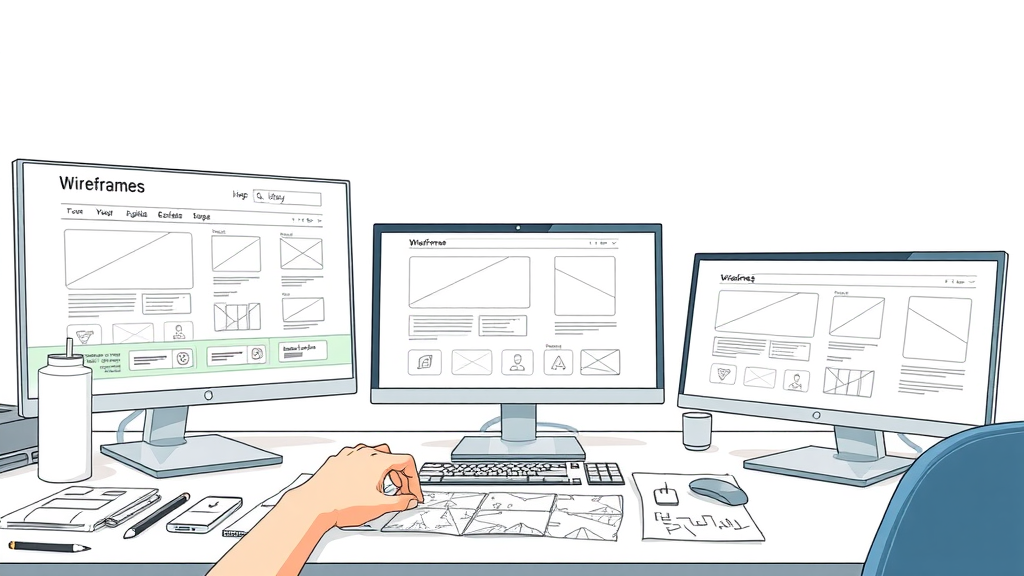
The web development process begins with careful planning and requirement analysis to understand the objectives and target audience. Stakeholders and web developers work closely here to define the site’s purpose, required features, and anticipated user experience. After outlining these requirements, the next step focuses on web design and prototyping. Designers create wireframes and layouts that outline the structure and look of the site, often involving multiple iterations based on user feedback and stakeholder review. This stage establishes a visual and functional foundation upon which the rest of the web development project will be built.
Actual coding follows, where front-end and back end developers turn design concepts into operational web pages and web applications. This involves using key programming languages and markup language to develop features and ensure interactive functionality across browsers and devices. Rigorous testing then takes center stage, where developers check for bugs, compatibility, speed, and security vulnerabilities. Finally, with all checks complete, the website or web app is deployed on a web server and made live. Ongoing website development involves regular updates, enhancements, and troubleshooting to keep the project in top shape and adaptable to changing needs.
Types of Web Developments: Applications, Pages, and More
- Static and dynamic web pages
- Single-page applications (SPA) and web applications
- Full stack vs back end development
There are several types of web developments that cater to different needs and experiences. Static web pages are basic and display the same content to every visitor, making them ideal for simple sites and portfolios. In contrast, dynamic web pages leverage server-side and client-side technologies to deliver interactive, personalized content that changes based on user input or database queries. The evolution of web dev has paved the way for rich, interactive solutions such as single-page applications (SPA), which load a single HTML document and dynamically update content as users interact—providing seamless transitions similar to desktop programs.
The line between web pages and web applications has blurred. Online shopping platforms, real-time dashboards, and collaborative tools exemplify the power of advanced web app development. A modern full stack developer is adept at building projects encompassing everything from engaging visuals to robust back end functionality, while back end specialists focus on optimizing performance, security, and data integrity. Understanding the spectrum of web developments empowers both developers and businesses to select the best-fit approach for their unique goals.
Core Technologies: Programming Languages and Markup Language in Web Development
- Common programming languages (JavaScript, Python, etc.)
- Markup language (HTML, XML, etc.)
- How web developers use these tools for web applications
At the core of every digital experience are powerful programming languages and versatile markup languages. JavaScript stands out as the go-to language for interactive features, dynamic elements, and responsive design on modern web pages. Python, renowned for its simplicity and scalability, powers back end processes in countless web applications. Other essential languages include PHP, Ruby, and Java, each bringing distinct strengths to web development projects. These languages allow full stack developers and end developers to build sophisticated applications, manage databases, and integrate external services—essentially breathing life into the web’s creative potential.
Alongside programming languages, markup languages like HTML and XML define the underlying structure and flow of documents on the web. They provide the scaffolding upon which styles, scripts, and user input are layered. Web developers skillfully combine these languages and leverage major frameworks (like React, Angular, or Django) to accelerate the development process and deliver polished, high-performing web apps. Mastering these technology building blocks is crucial for anyone aiming to excel in today’s fast-paced world of website development.

The Role of the Web Developer in Modern Web Developments
“A strong web development process blends creative web design with technical coding expertise.” — Leading Stack Developer
Modern web developers are the architects and builders of the internet. Their role goes far beyond coding; they orchestrate every stage of the development process. From brainstorming initial ideas and understanding client needs, to selecting the right technology stack and ensuring user-centric design, web developers are pivotal to successful digital projects. A proficient stack developer possesses a holistic view—combining both front-end and back end skills—to deliver seamless, scalable, and secure solutions.
Web developers also prioritize key objectives like speed, accessibility, and user experience. By staying updated on evolving frameworks, best practices, and innovative techniques, they provide immense value to organizations and end users alike. As the digital landscape grows more complex, the demand for adaptive, collaborative, and creative web developers will only continue to soar.
The Importance of Web Design in Web Developments
An exceptional web development journey hinges on industry-leading web design. Not only does effective design capture a user’s attention, but it guides them effortlessly toward their goal—maximizing engagement and boosting conversion rates. At its best, great web design delivers intuitive navigation, accessible content, and visual elements that tell a coherent story. Web developers and designers often collaborate closely, blending aesthetics with technical efficiency to ensure every web page both looks and works flawlessly.
Whether you’re launching a corporate website, crafting a sleek web app, or designing new features, an investment in thoughtful web design pays dividends. By prioritizing usability, visual hierarchy, and mobile responsiveness from the outset, modern website development projects stand out and deliver exceptional user experiences. Remember, first impressions matter—make yours unforgettable.

Web Developments in Action: Inspiring Real-World Examples
- Highly interactive web applications
- Responsive multi-device website development
- Cutting-edge web dev integrating the latest technologies
The true magic of web developments comes to life in real-world examples that inspire and set new industry standards. Take, for instance, highly interactive web applications such as collaborative productivity platforms and video streaming services. These sites provide seamless user experiences and are robust enough to handle millions of transactions daily. Another marvel involves responsive website development, where attention to detail ensures flawless usability across desktops, tablets, and smartphones—achieved through flexible grids, scalable images, and CSS frameworks.
Cutting-edge projects also push the boundaries by integrating AI, real-time data analytics, and dynamic front-end libraries. E-commerce sites with live inventory, progressive web apps enabling offline functionality, and intuitive dashboards powered by advanced visualization tools exemplify how web dev continues to evolve. By studying these exemplary cases, developers and business leaders gain insights into what sets remarkable projects apart and how to bring similar innovation to their own web development efforts.

Lists: Top Tools and Resources Used in Web Developments
- Best programming languages for web dev
- Web application frameworks
- Recommended code editors and tools
The toolkit for modern web developments is constantly evolving, with a wealth of options to fit every project scope and skill level. Leading programming languages like JavaScript (and its libraries React, Angular, Vue), Python (Django, Flask), and PHP (Laravel) remain top choices for building everything from dynamic web pages to robust, scalable web applications. Front-end frameworks enhance speed and functionality, while back end tools streamline server management, security, and database interactions.
Equipped with modern code editors (such as VS Code, Sublime Text, or Atom), web developers can efficiently write, debug, and collaborate on code. Essential resources also include version control systems (like Git), cloud platforms (AWS, Azure), and content management systems (WordPress, Drupal). By mastering these tools, web dev professionals can maximize productivity and deliver projects that exceed today’s digital expectations.
Key Challenges and Mistakes to Avoid in Web Developments
- Common pitfalls for new web developers
- Overcomplicating the development process
- Neglecting web design & user experience
Despite the magic of web developments, even experienced professionals encounter obstacles. New web developers often struggle with understanding the core development process, falling into traps like insufficient planning or neglecting to write clean, reusable code. One of the most persistent mistakes is overcomplicating simple projects—adding unnecessary features or using complex frameworks when a streamlined approach would suffice. This can lead to bloated codebases, slow web pages, and increased maintenance headaches down the line.
Neglecting web design and user experience is another major error, as a visually engaging, intuitive interface is vital for retaining visitors. Lastly, failing to test across different devices or browsers and overlooking accessibility concerns can alienate users and harm a project’s reputation. Proactive communication, comprehensive planning, and a willingness to keep learning are crucial for avoiding these pitfalls and excelling in today’s demanding web dev environment.

People Also Ask: What Does Web Development Do?
Web development is the driving force behind every interactive and dynamic experience you find online. It encompasses all activities related to creating and maintaining websites, web pages, and sophisticated web applications. Whether it’s the layout you see, the forms you submit, or the security protecting your data, developers use programming languages and frameworks to bring content, commerce, and services to your fingertips. In short, web development transforms ideas into functional, engaging online realities—powering the digital world as we know it.
People Also Ask: Is 2 Hours a Day Enough to Learn Web Development?
Dedicating just 2 hours each day to learning web developments can yield outstanding results, especially if you take a focused, consistent approach. This commitment allows ample time to master foundational skills—from understanding markup language and writing code, to exploring the different types of web applications and best practices in web design. Many successful web developers started with small daily investments like this, building skills steadily while experimenting with personal projects. The key is to maintain motivation, engage in hands-on practice, and supplement learning with updated resources.
People Also Ask: How Do I Start Web Development?
To embark on a journey into web development, begin by learning the basics of HTML and CSS, which are essential markup languages for structuring and styling web pages. Next, dive into JavaScript to add interactivity and consider exploring a back end language like Python or PHP. Set realistic goals for personal projects and immerse yourself in tutorial resources or online learning programs. Participate in online coding communities—such as Stack Overflow—for guidance and support, and remember, steady practice and experimentation are the surest paths to building confidence as a new web developer.

People Also Ask: Is Web Development a Coding?
Yes, web development heavily involves coding, as it requires writing instructions for computers and browsers using various programming languages and markup languages. However, web development also encompasses tasks beyond code, such as web design, content management, testing, deployment, and optimizing user experience. While coding remains at the heart of web developments, well-rounded developers understand design, project management, and emerging technologies to create fully functional and appealing web solutions.
FAQs: Common Questions on Web Developments
- How is website development different from web application development?
Website development focuses on building and maintaining sites primarily for viewing information, such as blogs and business homepages. Web application development creates interactive software within browsers—think e-commerce stores or social platforms, where users can perform transactions or collaborate in real time. - What are the essential skills for a web developer?
Skills include proficiency in at least one programming language (like JavaScript, Python, or PHP), knowledge of HTML and CSS, familiarity with web frameworks, understanding of database management, and a keen sense for user experience and responsive web design. - Is web developments a good career choice?
Absolutely. With the ongoing digital transformation across industries, skilled web developers enjoy strong job prospects, opportunities for remote work, and the chance to build impactful products for a global audience. - How do full stack and back end roles differ in web dev?
A full stack developer works across both client-side (front-end) and server-side (back end) components, bridging design with server logic. Back end developers focus exclusively on server infrastructure, databases, and APIs to ensure smooth operation behind the scenes.
Key Takeaways: The Lasting Advantages of Modern Web Developments
- Web developments enable global online presence and growth.
- Mastering programming languages and web design is crucial for success.
- Adaptability and continuous learning define the best web developers.
Modern web developments have redefined the digital experience. Whether you’re an aspiring web developer, a business owner, or a tech enthusiast, understanding the website development process is crucial for future success.
Leave a Reply