
Did you know that over 48% of all Google searches now trigger a People Also Ask (PAA) box? This serp feature is no longer optional for competitive brands—it’s a game-changing avenue to drive more organic traffic, capture diverse search queries, and enhance your authority in every Google search results page. If you’re aiming for position zero and want to outshine competitors, now’s the time to unlock the potential of people also ask Google boxes. Let’s explore the why, what, and how so you can secure your share of the world’s most prominent serp feature.
Why Mastering People Also Ask Google is a Game-Changer for SEO
- Did you know that over 48% of all Google searches now trigger a People Also Ask Google box? Leveraging this serp feature can increase your organic visibility and drive highly qualified traffic to your site.

Tapping into the People Also Ask Google box is no longer just an advanced SEO trick—it’s a mainstay technique that every marketer and content creator must master. Search engines are constantly evolving to put the best and most direct answers in front of users, and the PAA box frequently appears among top serp features, sometimes even outranking featured snippet placements. By answering related questions and appearing in this box, you attract a portion of the massive traffic that seldom scrolls beyond the first results page.
Optimizing for the PAA box bridges the gap between standard organic listings and the upper echelon of Google SERP features. Successful targeting means you no longer compete solely for blue link results, but instead, insert your brand directly into the user’s search journey, right as they dig deeper into related queries. For sites in competitive niches, winning multiple PAA positions not only increases organic reach, but it can firmly establish your brand’s topical authority and trust—turning occasional visitors into loyal audiences.
What You’ll Learn about People Also Ask Google and Related SERP Features
- The essentials of people also ask google
- Practical steps to optimize for this serp feature
- How to leverage paa questions for higher rankings
- Advanced techniques for the paa box and featured snippet
- Actionable strategies for tracking, measuring, and dominating the PAA box
Understanding the People Also Ask Google Box: A Key SERP Feature
The Evolution of SERP Features: From Organic Listings to People Also Ask Google
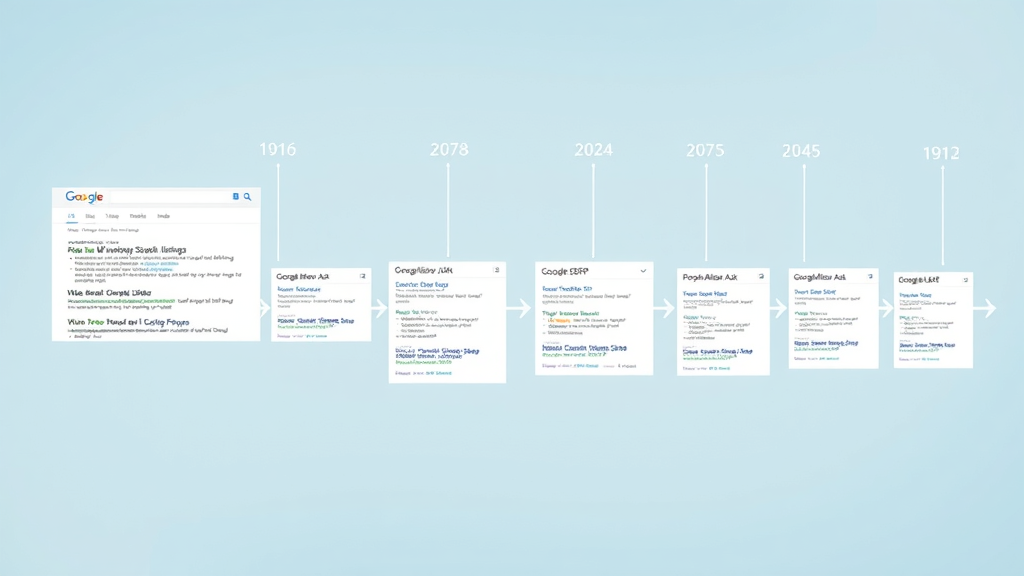
The Google search landscape has changed dramatically over the past decade. Once dominated entirely by simple organic results and text-based blue links, today’s SERP is filled with interactive features—from rich snippets to video carousels and, most notably, the People Also Ask Google box. As search engines shifted focus toward user intent and quick answers, the addition of PAA boxes marked a turning point: users now navigate through related queries, discovering short answers to increasingly granular questions in a single session.
Modern web pages must do more than rank for a single target keyword. Instead, the goal is to intercept a network of related questions and provide the most relevant content—the kind Google deems optimal for users’ next clicks. As the PAA box has grown in importance, so too has the need for a robust FAQ schema, deep keyword research, and expanded content structures that cater to every phase of your target audience’s informational journey. The days of targeting search term variations alone are over; now, the best content creators win by mapping entire query pathways and owning more SERP features in tandem.
Competing for PAA boxes means participating in the new frontier of SEO—one that rewards relevance, topical depth, and answer-first content formats. Those who adapt get “position zero” visibility, higher engagement, and even multiple entries within a single search result page, snowballing organic growth and establishing unmatched expertise in their domain.
What Is the People Also Ask Feature on Google?
The people also ask Google box is a dynamic SERP feature that displays a list of related questions in response to a user’s original search query, often accompanied by concise, short answers pulled directly from top-ranking web pages. This feature empowers users to dig deeper into a topic, uncovering more nuances with every click and helping them find answers they didn’t even realize they needed. For content strategists and marketers, this is a unique opportunity: each expanded PAA question adds new entry points to your site, multiplying organic traffic potential and amplifying search result dominance with every additional question served.
With PAA boxes regularly updating in real time, users now expect seamless transitions when solving problems or researching topics. For savvy SEO professionals, this means aligning content specifically to match Google’s dynamic expectation for PAA answers—a stark contrast to static ranking approaches of previous years. Keeping up with this evolution is critical: each PAA answer optimizes a web page not just for the primary keyword but also for secondary—and even tertiary—questions related to user intent, building a mosaic of authority across the content landscape.
Decoding the PAA Box: How Google Search Generates People Also Ask Suggestions
How Does the People Also Ask Google Box Work?
Google’s PAA box is powered by advanced algorithms that analyze billions of search queries, identifying common patterns and question clusters most likely to drive engagement. For every new original search query, Google assembles a list of related PAA questions, dynamically updating the SERP based on both historical data and real-time user behaviors. These algorithmic associations connect your content to wider, tangential topics, broadening your digital footprint and sparking entirely new discovery paths for your target audience.
Every time a user clicks a question in the PAA box, Google generates even more targeted, contextually relevant questions, pulling results from trusted, well-structured web pages with clear PAA answers. This endless branching effect creates a rich, layered search journey where each answer can lead to new questions and fresh opportunities for brand exposure. For marketers, this means each question represents not just a ranking chance, but also a chance to onboard users early and build trust through educational, actionable content.
“The People Also Ask box is now one of the top five visibility drivers in organic search.” – Leading SEO Analyst
Because the PAA feature is so tightly interwoven with user experience, search engines reward content creators that structure web pages to deliver direct, accurate, and highly relevant answers. The synergy between PAA boxes, featured snippet opportunities, and FAQ schema makes it possible to both guide more users to your site and dominate the topic landscape within your industry.
Why Your Content Must Optimize for the People Also Ask Google Box
- Reach new audiences through expanded search queries
- Win position zero with a featured snippet in the PAA box
- Build topical authority using closely related PAA questions
Organic Traffic Impact from People Also Ask Google

Web pages that rank within the PAA box enjoy dramatically higher click-through rates compared to standard placements in Google search results. This advantage arises from their prominent, interactive positioning—often above traditional blue links, sometimes even above the featured snippet. As users find answers to more nuanced, intention-driven queries, your brand earns crucial trust and mindshare, appearing as the go-to source for knowledge within your niche.
The multiplier effect is significant: getting a single PAA answer can expose your page to dozens of highly qualified search queries—related queries that may have never driven traffic to your domain otherwise. Meanwhile, Google’s preference for fresh, relevant content means that a web page optimized for multiple PAA questions can continuously harvest engagement as audience interests evolve. In an increasingly competitive digital world, this is one of the fastest routes to sustained organic growth and broad, lasting topical authority.
| Search Query Type | PAA Box Appearance Rate | Featured Snippet Crossover |
|---|---|---|
| How-to | 62% | 51% |
| Informational | 48% | 44% |
| Transactional | 27% | 20% |
Optimizing for the People Also Ask Google Box: Practical Steps
How to Find People Also Ask Questions to Target
To effectively target PAA questions, begin by leveraging SEO research platforms such as SEMrush, Ahrefs, or Moz. These tools provide real-time data on which related questions currently surface for your target search query in Google search results. By analyzing these clusters, you can understand the thematic links between different PAA boxes, the underlying search intent, and where your audience’s curiosity is leading them.
As a next step, you should map out the recurring questions relevant to your industry. Note how the PAA box changes based on query variations, and identify opportunities to address questions that competitors haven’t fully answered. Combining data from these platforms with manual Google searches gives you a comprehensive inventory of actionable PAA questions—ready for integration into your content strategy. The more intentionally you research, the higher your chances of capturing additional SERP features and unlocking greater organic traffic.
Remember, staying current is crucial: PAA results shift in response to breaking news, changing user interests, and updated content across the web. Scheduling regular audits for newly trending questions ensures your pages remain at the cutting edge, capturing new audiences and outperforming stagnant competition.
How Do I Get Listed on Google People Also Ask?
Earning a spot in the People Also Ask Google box is all about clarity, structure, and relevance. First, align your content with the most common and high-potential PAA questions identified during your keyword research. Structure each answer using clear headers (preferably with the target question as the heading), then provide a direct, value-driven short answer immediately beneath—ideally 2-3 sentences, rich in relevant keywords and supporting context.
To further improve your chances, use schemas—especially FAQ schema—so that Google’s crawlers can easily parse and understand the intention behind your responses. Format key answers in lists, tables, or concise step-by-step outlines when appropriate. This reinforces your web page’s authority across similar search queries, making it a reliable, evergreen resource for Google’s algorithm to feature in future PAA boxes.
Consistency matters: review competitor PAA boxes, analyze their strengths and weaknesses, then refine your answers to deliver even more value. Use simple, jargon-free language (suitable for an 8th–9th grade audience) to maximize accessibility and engagement. Keep in mind—while you can’t “force” your way into the PAA box, impeccable structure, up-to-date information, and FAQ optimization greatly increase your odds of being selected.
Advanced Strategies: Dominating Multiple People Also Ask Google Spots
Leverage Featured Snippet Best Practices for the PAA Box

To maximize your impact across multiple serp features, including both the PAA box and the coveted featured snippet, integrate proven answer-first strategies. Always place your answer directly after the relevant header. Then, reinforce clarity using bullet points, numbered lists, or concise tables—these formats allow Google to extract answers efficiently and display them as short-form, high-value content snippets.
Be deliberate about keyword placement: mirror the search term or question as closely as possible (“What is FAQ schema?” instead of broad descriptions) and repeat crucial terms naturally, so both the user and search engine understand your paragraph’s intent. By blending the technical with the approachable, your content rises above less-structured web pages, claiming multiple PAA boxes and driving recurring, targeted organic sessions with each appearance.
Track winning answers and replicate their format across similar topics. When you find a formula that captures a featured snippet and a PAA placement, scale it across content clusters. Soon, you will dominate more of Google’s interactive results page—securing ongoing visibility, user trust, and position zero status in your niche.
Scaling PAA Content: Creating a PAA Box-Driven Content Calendar

- Cluster keywords by recurring PAA questions
- Build pillar content addressing groups of PAA boxes
- Continuously refresh content to align with evolving Google Search trends
Owning multiple PAA boxes isn’t a one-time win—it’s a systemized process requiring strategic planning and continuous refinement. Start with keyword research: identify high-frequency PAA questions that align with your audience and expertise. Cluster these questions into thematic groups to create “pillar” pieces—long-form, comprehensive guides that tackle every angle of a broader topic while answering individual related questions in clear, modular sections.
Consistently updating your content calendar based on new PAA trends ensures your site remains hyper-relevant. As Google’s algorithms shift and searcher intent evolves, refresh your existing content to address new questions its audience cares about. Supplement evergreen resources with shorter, laser-focused blog posts. This hybrid approach allows you to dominate a broad array of PAA boxes, boost cross-linking value, and maintain traffic leadership even as the SERP landscape shifts.
Tracking Results: How to Measure Your Success in People Also Ask Google
Key Metrics for Monitoring People Also Ask Google Performance
- PAA impressions/positions in Google Search Console
- Click-through rates from PAA box entries
- Increase in organic sessions linked to PAA questions

True SEO success comes from precise measurement. Once your web pages are live and optimized, use platforms like Google Search Console to track impressions, click-through rates, and position shifts—specifically for queries attached to PAA boxes. Dive into report filters to see which answers are driving organic sessions, how users interact with those listings, and where your expansion opportunities lie.
Another vital step is analyzing time-on-page and secondary clicks from your PAA-attracted traffic. Monitor bounce rates, dwell time, and conversion pathways to refine both answer accuracy and on-page call-to-action placements. By tracking how new visitors move through your content, you can continuously optimize for even better search engine performance and greater ROI from each PAA answer delivered.
People Also Ask: Key Questions About People Also Ask Google
What is the people also ask feature on Google?
The people also ask feature on Google is an interactive serp feature displaying real-time related questions and short answers on the search results page. This allows users to explore multiple variations beyond their original search term, satisfying deeper curiosity and providing quicker pathways to the answers they seek.
How do I add people also ask on Google?
You can’t directly add your website to the People Also Ask box. However, you can optimize your site by targeting relevant PAA questions, implementing FAQ schema, and writing focused short answers—improving your odds of selection by Google’s algorithms for this desirable serp feature.
How to find people also ask questions?
To find PAA questions, use leading SEO tools, analyze live Google search results, or install browser add-ons that export real-time people also ask Google data for any query. Regular review ensures you never miss emerging questions related to your field.
How do I get listed on Google People also Ask?
Optimize your content with specific headers, concise, keyword-rich answers, and FAQ schema to boost your probability of appearing in people also ask Google boxes for your target search queries. Clear structure and fresh, accurate information maximize your web page’s relevancy and selection chances.
Frequently Asked Questions About People Also Ask Google
- What are the benefits of ranking in the people also ask Google box? Ranking in the PAA box dramatically increases your site’s visibility, boosts click-through rates, and helps you capture highly qualified, intent-driven users—all while reinforcing topical authority for Google search.
- How often do PAA questions change in Google Search? PAA questions update frequently—in response to shifts in search trends, breaking news, and new, relevant content being published across the web.
- Can you optimize for both featured snippet and PAA box simultaneously? Yes, optimizing with structured headers, concise answers, and FAQ schema increases your chances of winning both featured snippet and PAA placements for the same page or content piece.
- Is FAQ schema required to appear in PAA boxes? FAQ schema is not strictly required, but it greatly improves Google’s ability to index your content for both FAQ and PAA serp features, making your site’s answers more accessible for inclusion.
Start Leveraging People Also Ask Google to Skyrocket Your SEO Results Today
Ready to dominate the serp feature landscape? Sign up now for a free SEO audit, and discover how our tailored content strategies can elevate your visibility in every people also ask Google box! Don’t wait—secure your advantage in Google Search and unlock exponential growth.
Take targeted action by investing in structured, answer-focused content and leveraging advanced SEO tools—your climb into the People Also Ask box starts today.
Leave a Reply