
Imagine you’re sitting by a window as gentle sunlight pours in—where your thoughts run deep, the world quiets, and you feel at home within your own mind. In a society fuelled by noise, quick exchanges, and constant company, introverted behaviours can seem overlooked. Yet, these quiet strengths are a source of profound power, creativity, and fulfilment. This guide explores how embracing the introverted way can transform your understanding of self, your social interactions, and your overall well-being.
Introduction to Introverted Behaviours
Introverted behaviours, at their core, reflect a distinct approach to life, social interaction, and personal growth. Unlike extroverted individuals who draw energy from bustling gatherings, introverts prefer solitude, reflective moments, and meaningful exchanges. Research by carl jung laid the foundation for recognising introversion as a primary personality type. This article addresses the essential needs for alone time, the rich inner world of introverts, their higher levels of introspection, and the importance of thoughtful quietude. By understanding the nuances of introverted behaviour versus those of an extroverted person, you can foster self-compassion and unlock hidden strengths. Whether you identify as an introvert or care for someone who does, exploring these dynamics will empower you to create environments that honour and celebrate diversity in personality traits.

Understanding Introverted Behaviours
Introverted behaviours are not merely about shyness or social withdrawal. Instead, they represent a complex and rich tapestry of personality traits rooted in a preference for solitary, thoughtful engagement over constant external stimulation. Researchers have found that introverts often experience a higher level of satisfaction from deep connections rather than widespread social interaction. This distinction reveals itself in how introverts approach conversations—valuing sincerity over small talk, and often retreating to their inner world for recharging. Environmental factors, personal history, and individual biology all shape how introverted behaviour appears in daily life.
Far from being a disadvantage, evidence suggests that introverts possess unique strengths. Their ability to concentrate intensely, their propensity for reflective decision-making, and their appreciation of independent, creative pursuits all contribute to a distinctive—and powerful—way of engaging with the world around them. Introverts may also demonstrate resilience in the face of complex challenges by leveraging introspective analysis and empathy, often becoming the thoughtful architects of progress in both their private and professional spheres.
The Rich Inner World of Introverts
One of the most celebrated characteristics of introverted behaviour is a rich inner world—a landscape brimming with imagination, contemplation, and nuanced understanding. Frequent engagement with this inner world isn’t merely about withdrawal; it is about exploration and integration. Psychologists suggest that this intrinsic focus enables introverts to excel at creative thinking, problem-solving, and emotional processing. The solitude that introverts crave provides fertile ground for insight, inspiration, and renewal.
The tendency to spend a lot of time in self-reflection allows introverts to cultivate a deep self-awareness and a sophisticated map of the world around them. This can manifest in profoundly creative outputs—whether in writing, art, or innovative problem-solving. For many introverts, their ideas and concepts bloom most vibrantly in quietude, away from the constant demand for external social interaction that may drain their energy.
The Need for Space and Solitude
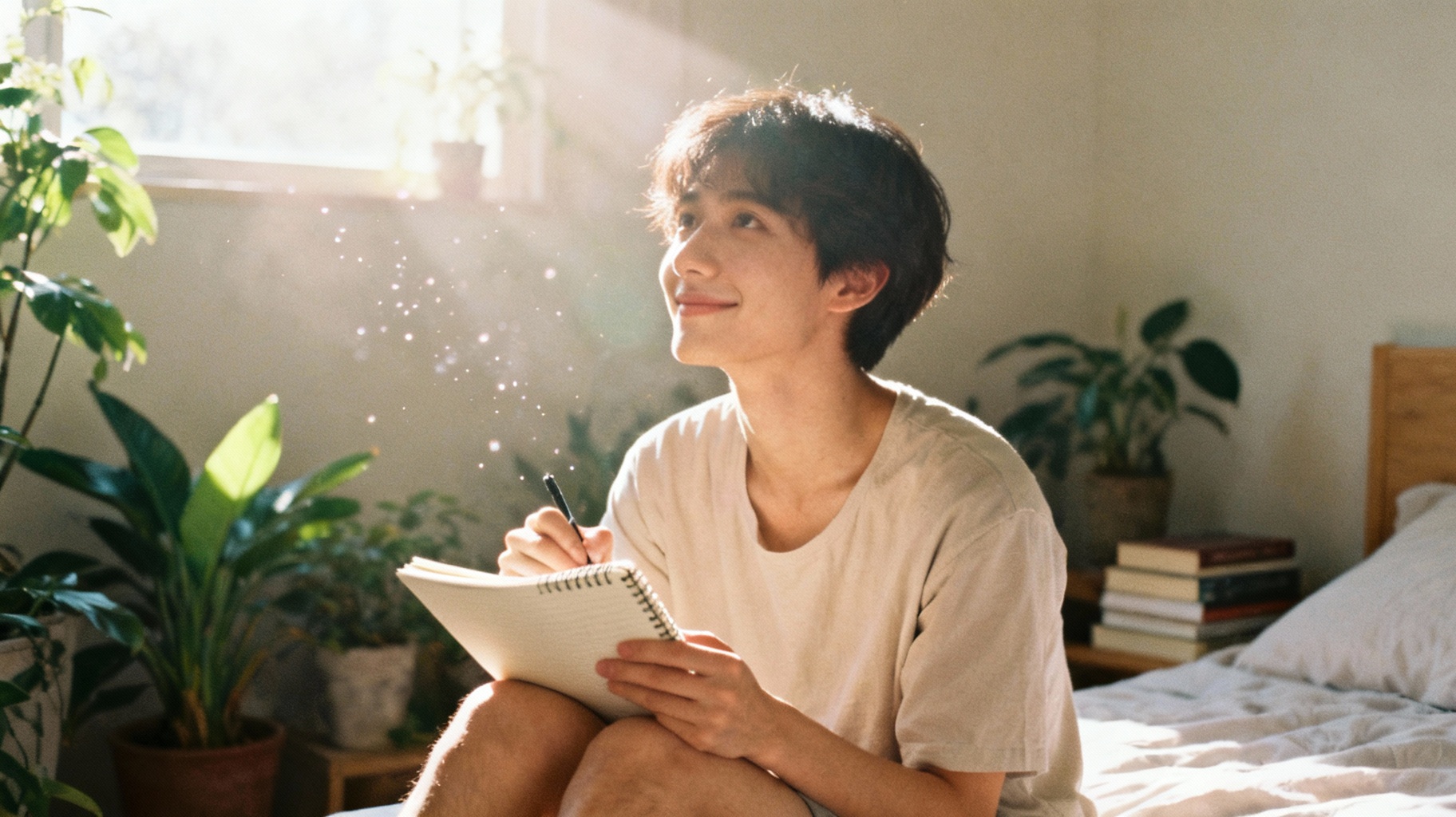
For introverts, the need for space and solitude is more than a desire—it is a necessity tied intricately to their well-being and mental health. Social interactions, while enjoyable in moderation, often require significant energy expenditure for an introverted person. Retreating to a quiet environment is how they recuperate, process experiences, and realign emotionally. Studies—including one study from leading personality theorists—indicate that the brain chemistry of introverts favours environments free from overwhelming stimulation, which facilitates both clarity and calm.
Honouring the need for space isn’t an indicator of anti-social behaviour. Instead, it is a sign of respect for a fundamental personality trait. Regular periods of solitude allow introverts to recharge, rediscover pleasure in their inner world, and prepare for future social engagements with greater enthusiasm and presence. Whether through walking in nature, engaging in solitary hobbies, or simply enjoying silence, the relationship between introverts and their alone time is foundational to the richness of their inner experience and the authenticity of their external relationships.
- What You’ll Learn
- The core personality traits that define introverted behaviour
- The four main personality types of introverts
- How introverts interact in social situations and how to communicate with them
- Signs and characteristics to help recognize introverted people
- Effective strategies for managing stress as an introvert
- Ways to leverage introverted strengths for personal and professional growth
Defining Introverted Behaviours and Personality Types
Introverted behaviour is best understood within a robust framework of personality types and traits. Drawing from the Big Five personality theory and the pioneering work of Carl Jung, introversion is not simply the absence of sociability but comprises a constellation of characteristics—internal focus, preference for meaningful over frequent social interaction, and a pronounced need for reflection. These behaviours are shaped both by biological predispositions and environmental factors that, over time, refine the way individuals interact with the world around them.
The distinction between introvert and extroverted person can be subtle yet profound. An introvert’s approach to social situations, their reliance on alone time, and the value they place on a rich inner world all signal important differences in cognitive processing and emotional fulfilment. Understanding these nuances allows for better empathy and more supportive environments, whether at home, in friendships, or the workplace.
Personality Type as a Framework
Personality psychology provides the scientific language necessary to articulate the range of human behaviours across the introversion–extroversion spectrum. According to the Big Five, introversion correlates closely with lower assertiveness in social situations but higher levels of depth and thoughtfulness. Carl Jung posited that personality types—including introverted and extroverted orientations—are fundamental to the development of self-concept and interpersonal relationships. Modern researchers have found that these personality types emerge early in life and tend to remain stable, though environmental factors can modulate their expression.
Using the personality type framework brings clarity to the discussion of introverted behaviour. Rather than viewing introverts as “lesser” social participants, it positions their tendency for careful observation, in-depth analysis, and meaningful exchange as vital contributions to group dynamics. This reframing empowers both introverts and extroverts to recognise and value diverse forms of interaction.
The Main Traits of an Introvert
The main traits defining an introvert include a preference for solitary or small-group activities, a tendency towards introspection, and a proclivity for deep, meaningful communication over small talk. While introverts enjoy social interaction, they typically seek quality over quantity—valuing close friendships built on trust and empathy, rather than a wide network of acquaintances. These personality traits often manifest in a reserved or contemplative demeanour that should not be mistaken for disinterest or aloofness.
Introverts may also exhibit higher levels of emotional intelligence, resilience, and adaptability, particularly in environments that respect their need for space. Their reflective nature and ability to immerse in their inner world are powerful assets in both creative endeavours and analytical tasks, making them indispensable members of any team or community.

Introvert Behavior vs. Extroverted Person
The distinction between introverted behaviour and that of an extroverted person is most apparent in how energy is directed and replenished. Extroverts often seek stimulation and thrive in busy social settings, gaining energy from frequent social interaction and lively environments. In contrast, introverts find such environments draining and replenish through retreating to solitude or quiet spaces where thoughtful activity can flourish. These differences are neither strengths nor weaknesses but indicate alternative pathways towards fulfilment and personal growth.
Navigating these contrasts requires awareness from both the introverted and extroverted person. Respect for each other’s needs fosters mutual understanding and reduces the chances of misunderstanding in social situations. By recognizing the unique dynamics of introvert behaviour, individuals and groups can build more inclusive, supportive, and harmonious communities that harness the collective strengths of varied personality types.
The Four Types of Introverts
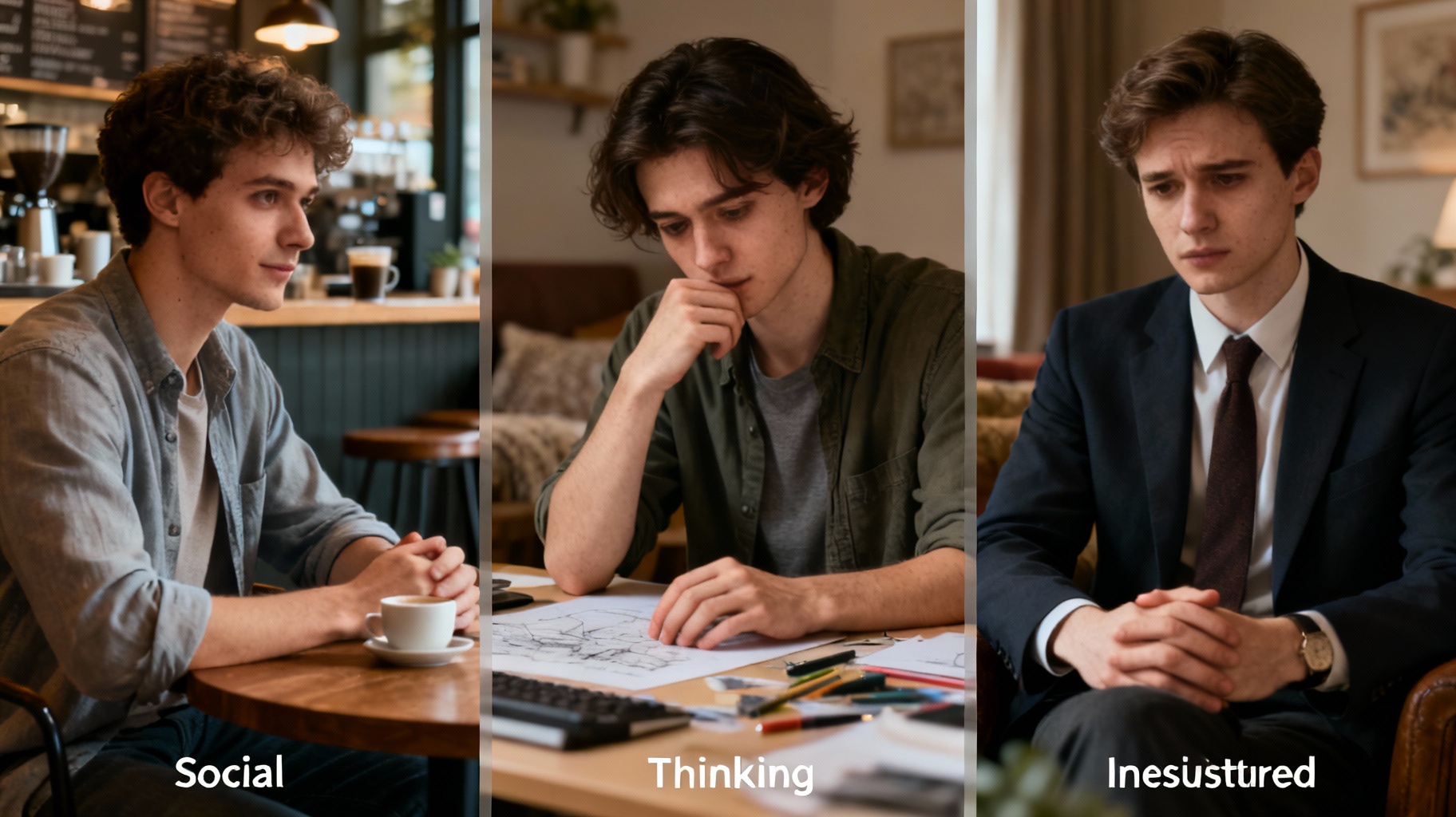
Emerging research in personality psychology reveals that introversion isn’t monolithic; instead, it appears in four primary forms. These four types—Social, Thinking, Anxious, and Restrained introverts—each represent unique patterns of behaviour, cognitive focus, and social interaction. Understanding these categories deepens empathy and helps tailor personal development strategies that play to individual strengths.
Each of these four types is shaped by distinct personality traits and environmental factors, giving rise to diverse approaches to relationships, goals, and stress management. Identifying where you or someone you know fits within these categories can be empowering and clarifying, making it easier to communicate needs and boundaries and appreciate the hidden powers within introverted behaviour.
Social Introverts
Social introverts prefer small groups and close-knit settings to the energetic bustle of large gatherings. Rather than disliking social interaction, social introverts are discerning about where and with whom they invest their time. They seek intimacy and connection, flourishing in environments that allow for meaningful chat instead of superficial small talk. This discernment often leads to strong, long-lasting friendships built on trust and mutual respect.
Social introverts thrive in one-on-one conversations and can excel at forming deep rapport with colleagues, friends, or loved ones. While they enjoy social situations, they are careful not to overextend themselves, knowing that too much stimulation quickly leads to fatigue. By acknowledging their need for space, social introverts are adept at self-care and skilful boundary setting.
Thinking Introverts
Characterised by a penchant for introspection and reflection, thinking introverts possess a remarkably rich inner world. They are imaginative, curious, and continuously engaged with internal ideas and questions about the world around them. This group excels at solo creative pursuits—such as writing, drawing, or designing—and is known for a higher level of independent analytical thinking.
Thinking introverts tend to be visionary and strategic, drawing upon introspection to generate original concepts or to problem-solve both in their personal and professional lives. While they may spend a lot of time alone, it enables them to cultivate new perspectives, often resulting in innovation that shapes their communities or workplaces.
Anxious Introverts
Anxious introverts are defined not only by their preference for solitude but also by heightened self-consciousness in social interactions. For these individuals, social situations can provoke feelings of worry or apprehension, regardless of whether they are among strangers or acquaintances. Anxious introverts often manage this by minimizing participation in unfamiliar groups, instead favouring familiar settings where comfort and predictability prevail.
Despite these challenges, anxious introverts also exhibit powerful coping mechanisms and a deep understanding of emotional nuance. Their experience teaches them resilience and strategic avoidance of stress-inducing environments, and with the right support, they can gradually increase their comfort and skill in navigating social settings.
Restrained Introverts
Restrained introverts practise a distinctly methodical and reserved approach to life, often appearing calm, composed, and deliberate in action. They prefer to observe before participating, digesting information thoroughly before making decisions or responding in conversation. This reserved nature is not rooted in fear but in a conscious choice to savour experiences more slowly and thoughtfully.
Restrained introverts tend to thrive in professions or activities requiring patience, precision, and attention to detail. Their composure allows them to perform well in high-pressure situations, as they rarely act impulsively. These strengths make restrained introverts valuable assets in any group or organisation, where their steadiness and measured insight contribute to a supportive environment.
How Introverts Interact with Social Situations
Introverted people possess distinct strategies for managing the demands of modern social situations. Whether at a family gathering, networking event, or casual meet-up, introverts typically prioritise depth over breadth in their interactions. Their approach often involves careful listening, focused attention, and an aversion to prolonged small talk. Instead, introverts seek meaningful engagement that allows for personal connection and understanding, choosing quality relationships over quantity.
This selective participation in social situations often translates into greater satisfaction from close friend relationships and strong collegial bonds, even as their need for solitude remains. By recognising their own boundaries and learning to communicate them assertively, introverted individuals can create a rhythm of social engagement that supports emotional and mental well-being. Their social success springs from a foundation of authenticity and respect for their own unique personality traits.
Managing Small Talk and Interaction
For many introverts, small talk is one of the most challenging aspects of social interaction. Instead of rapid-fire back-and-forth, introverted behaviour leans towards deeper conversation and thoughtful response. Introverts often begin social engagement by careful observation, weighing when might be the optimal time to contribute. Importantly, small talk need not be a source of stress: introverts can approach it as a bridge to more meaningful exchange, using prepared questions or redirecting topics towards interests they feel passionate about.
Learning to frame small talk as a tool rather than an obstacle can transform social experiences for introverts. Evidence suggests that adopting a mindset of curiosity and authenticity allows introverted individuals to steer conversations towards shared interests more naturally, creating space for organic connection and deeper understanding. Over time, introverts can build social confidence, bridging the gap between their inner world and the demands of social situations.

Building Close Relationships
Despite their reputation for solitude, introverts deeply value close relationships and invest significant time and energy developing trust and intimacy. Introverted behaviour in friendships and partnerships is marked by active listening, emotional attunement, and unwavering loyalty. Rather than cultivating a broad circle of acquaintances, introverts tend to nurture a few close friend relationships with whom they share their innermost thoughts and experiences.
Building and maintaining close relationships requires self-awareness, boundary setting, and honest communication—skills in which introverts often excel. Their reflective nature allows for ongoing evaluation and adjustment within relationships, ensuring a strong foundation of trust and support. By choosing depth over breadth, introverts form the kind of lasting bonds that underpin resilience and growth throughout life.
Comfort in Alone Time
Alone time is not simply an escape for introverts; it forms the bedrock of their creativity, motivation, and sense of equilibrium. Far from loneliness, alone time represents an intentional gift of space—one that allows for self-exploration, goal setting, and recovery from the demands of regular social interaction. Introverts use solitary activities as a means to channel passions, develop skills, and reflect on experiences, often emerging with renewed energy and purpose.
Research consistently points to the positive effects of alone time for psychological well-being and cognitive functioning among introverted populations. By normalising and celebrating solitude, introverts cultivate an environment in which their strengths—creativity, empathy, analysis—can fully flourish, benefitting both themselves and the broader communities of which they are a part.
Recognizing Introverted Traits
Understanding how to spot and support an introverted person enables families, workplaces, and social circles to be more inclusive and compassionate. Introverted traits are often evident in patterns of behaviour—quiet observation, preference for solo activities, cautious participation in group settings, and a visible comfort with periods of silence. Recognizing these cues can help others adjust expectations and communication styles accordingly.
These personality traits are not only shaped by individual experience but are also reinforced by environmental factors and cultural attitudes toward social interaction. By identifying and affirming these traits, we encourage the celebration of diversity within all communities—in school, at work, and in friendship.
Spotting an Introverted Person
Spotting an introverted person involves observing their consistent behaviours in social interactions: they may gravitate toward solitary or quieter activities, demonstrate attentive listening, and shy away from the spotlight. Introverts are often deeply engaged with the world around them but prefer to process events internally rather than broadcasting their thoughts. When in a group setting, they can be found sitting at the edge, calmly watching and only speaking up when they feel compelled by relevance or insight.
These individuals may also prioritise a need for space and show visible appreciation for alone time, especially after demanding periods of social engagement. They foster deep rather than wide connections, frequently maintaining a select circle of close friends. Observing these patterns with empathy allows us to foster more supportive and harmonious relationships, affirming each person’s authentic self.

Communicating with Introverts Effectively
Communicating effectively with an introverted person requires sensitivity to their preferred interaction style. Introverts often value focused, one-on-one conversations where topics can be explored at depth. They also appreciate space to reflect before responding, so allowing pauses in conversation is not only respectful but conducive to more meaningful exchange. Clear, concise, and sincere communication builds trust and eliminates unnecessary pressure.
When leading or collaborating with introverts, it is beneficial to provide advance notice of group meetings, give time for independent preparation, and respect their boundaries without misreading quietness as disengagement. By aligning communication styles, we enable introverts to contribute their considerable strengths and insights to group endeavours.
The Need for Introverts to Recharge
A vital part of introverted behaviour is the regular need to withdraw and recharge after stimulating experiences. This process allows for the assimilation of new information and the restoration of cognitive and emotional reserves. Failing to grant introverts this essential downtime can lead to overwhelm, irritability, and long-term stress.
Supporting introverts means understanding that their productivity and happiness are directly linked to opportunities for reflection and solitude. Employers, educators, and families can foster well-being by building flexibility into routines, allowing introverts to recover and return at their best, both in performance and disposition.
Introverts and Stress
Introverts are particularly sensitive to both the opportunities and challenges posed by stress. Their heightened sensitivity means social overload or chronic stimulation can quickly become overwhelming. Recognizing the specific ways in which introverts react to—and recover from—stress is essential for fostering resilience and well-being.
Research into personality types and stress response reveals that introverts often use introspective analysis, creative pursuits, and solitary activities to manage anxiety and restore balance. While these strategies may differ from those of their extroverted counterparts, they draw from the same well of self-knowledge and adaptability that underpins long-term well-being.
Reactions to Stress
The typical reaction of an introverted person to stress is withdrawal: seeking quiet environments, resting in nature, or focusing on soothing, repetitive tasks. Social situations often exacerbate stress for introverts—especially those who experience anxiety in larger groups or unpredictable settings. Their ability to recognise escalating stress early allows them to take prompt action, averting more severe outcomes.
Resilience for introverts grows out of their willingness to reflect, adapt, and develop personalised coping strategies. They may meditate, keep journals, or seek solitude, relying on the stabilising comfort of their rich inner world. By recognising and honouring these natural tendencies, introverts can develop healthier, more proactive responses to life’s inevitable pressures.
Techniques to Manage Stress
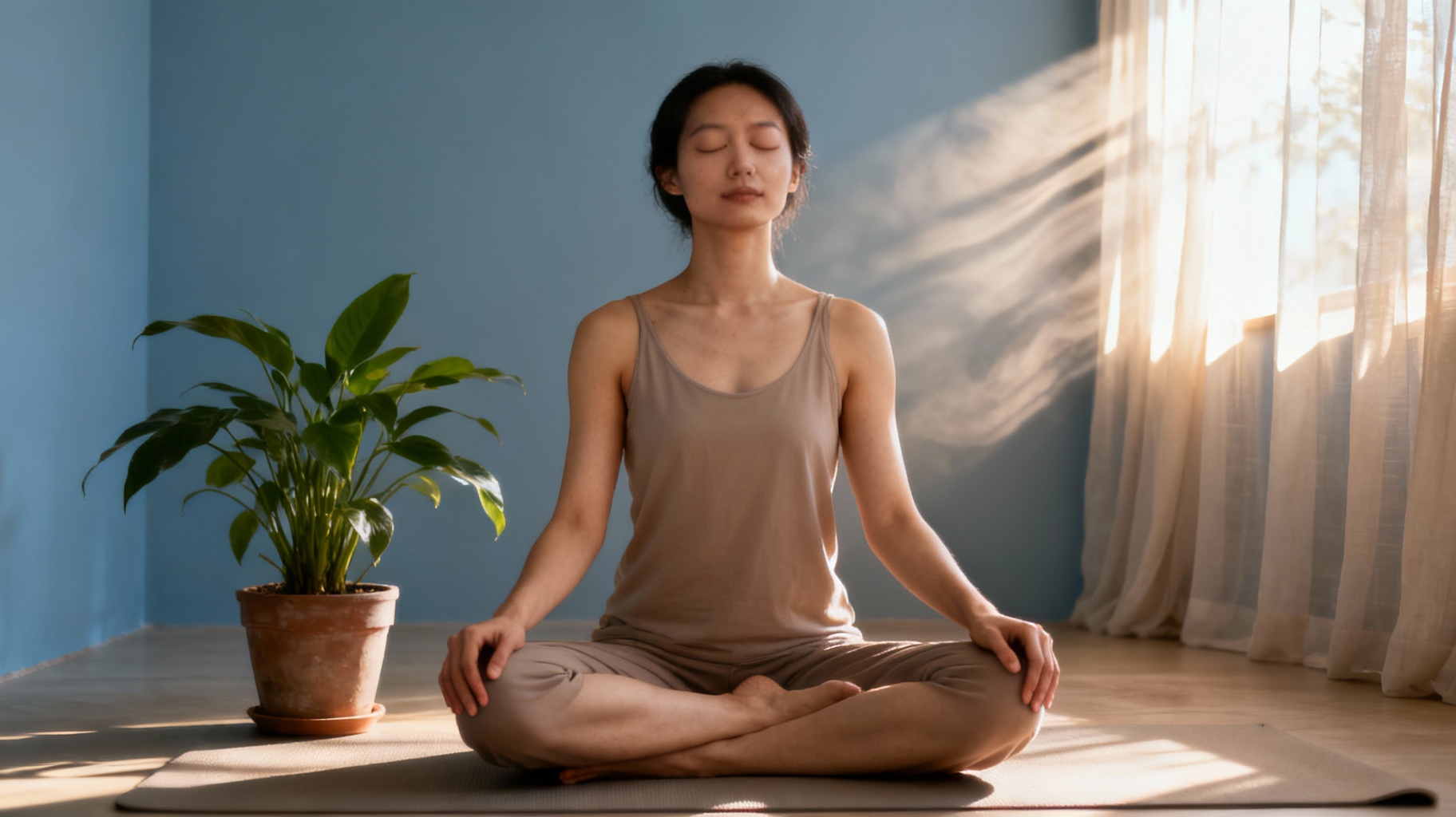
Introverted individuals often excel at using internal tools to manage stress, such as mindfulness techniques, deep-breathing exercises, and creative rituals like writing or art. The key is to cultivate routines that dovetail with their natural inclinations—activities that refocus the mind, encourage gentle movement, or let thoughts flow freely. These personal rituals create continuity during times of upheaval, supporting both physical and emotional resilience.
Other effective strategies include structured alone time after intense social engagement, regular participation in nature walks, or maintaining a daily reflective practice. Seeking support from close friends, rather than a wide circle, offers targeted emotional reinforcement, sustaining introverts through both acute and chronic stressors.
Utilizing Inner Strengths for Stress Relief
Harnessing the innate strengths of introverted behaviour is a powerful tool for stress relief. Many introverts display heightened patterns of creative thinking, analytical ability, and nuanced emotional processing. By engaging with these capacities—through art, music, problem-solving, or personal reflection—introverts can transmute stress into personal growth. This process requires courage, self-acceptance, and strategic investment in activities that align with intrinsic values.
The journey toward effective stress management is not about suppressing introverted traits but about integrating them into a comprehensive wellness practice. As introverts learn to rely on their strengths, they not only weather life’s storms but emerge more centred, empowered, and ready to share their gifts with the world.
- List of Healthy Coping Mechanisms
- Journaling or creative writing to process emotions
- Taking walks in nature or engaging in gentle exercise
- Mindfulness meditation or breathing exercises
- Listening to calming music
- Spending quality alone time to recharge
- Pursuing solo hobbies, such as reading, drawing, or puzzling
- Maintaining a regular routine and boundaries
- Reaching out to a close friend for support
| Characteristic | Introverted Behaviour | Extroverted Behaviour |
|---|---|---|
| Preferred Social Setting | Small groups or alone time | Large groups, frequent social events |
| Energy Replenishment | Solitude, reflection, quiet activities | Social interaction, external stimulation |
| Communication Style | Thoughtful, prefers deep conversation | Expressive, enjoys rapid exchange and small talk |
| Reaction to Stress | Withdraws for alone time, introspects | Seeks company or distraction, verbal processing |
| Relationship Preferences | Few, close friends; values trust and depth | Wide circle, frequent acquaintances |
Key Takeaways on Introverted Behaviours
Understanding and embracing introverted behaviours leads to richer relationships, higher self-acceptance, and more effective stress management. By recognising the personality traits underlying these behaviours—introspection, need for space, deep focus—we unlock new strategies for thriving in both quietude and connection. The journey is not about changing the core of who you are but about finding permission to flourish in your own way.
From solitary pursuits that inspire innovation to targeted communication that empowers contribution in social situations, introverts possess a toolkit uniquely suited for personal growth and creative achievement. The key is intentional self-care and advocacy—building environments where introverted strengths are both recognised and fostered.
Recap of Personality Traits and Social Interaction
Introverts are defined by signature personality traits: a predisposition for meaningful connection, high emotional intelligence, and comfort with introspection and alone time. In social interaction, they seek fewer but deeper bonds and require periods of solitude to recharge. Their unique approach to relationships and problem-solving makes them invaluable—as friends, colleagues, and creators. Embracing these qualities in yourself or others leads to enriched experiences both inside and outside the home.
Recognising these traits is the first step towards building supportive communities that allow all members to thrive. By respecting need for space and championing the quiet power of reflection, we foster more balanced and compassionate connections in every sphere of life.
Strategies for Embracing Introverted Nature
To fully embrace your introverted nature, start by setting boundaries around your alone time and advocating for your needs within relationships. Practice self-compassion when you feel overstimulated, recognising this as a natural aspect of your personality type. Build daily routines that include periods for reflection, creativity, and restorative solitude. Companion yourself with close friends who value depth and authenticity, and seek environments—both at home and work—that respect your rhythm. Finally, focus on leveraging your unique strengths—creativity, insight, empathy—and let them guide your personal and professional choices.
By living intentionally and honouring your inner world, you transform introverted behaviours from quiet habits into the foundation for lifelong growth and contentment.

“In an extroverted society, introverts are a minority. The hidden power of introverts.”
FAQs About Introverted Behaviours
What are the behaviors of an introvert?
Introverted behaviours include a preference for spending alone time or engaging in solo activities such as reading, writing, or reflecting. Introverts often avoid superficial small talk, instead seeking meaningful conversations and close friendships. They may withdraw after busy social events in order to recharge and require down time to process their thoughts and experiences. Introverts are inwardly focused, thoughtful, and typically more reserved than their extroverted counterparts.
What are the 4 types of introverts?
The four primary types of introverts are: Social introverts (those who prefer small, close-knit groups), Thinking introverts (whose internal world is vivid and creative), Anxious introverts (who feel self-conscious during social interaction), and Restrained introverts (who are slow to open up and deliberate in action). Each type embodies unique strengths and contributes to the richness of introverted behaviours in daily life.
How to spot an introverted person?
You can spot an introverted person by their preference for quiet settings, solo tasks, or selective social engagement. Introverts may observe more than participate in group situations and find comfort in prolonged periods of reflection or creative activity. They tend to invest heavily in a few close relationships and need space to recharge after intense social experiences.
How do introverts react to stress?
Introverts typically react to stress by seeking solitude and minimizing exposure to high-stimulation social environments. They employ coping mechanisms such as journaling, mindfulness, or connecting with a close friend for meaningful support. Retreating into their inner world, introverts reflect on the cause of stress and create personalised strategies to restore balance and resilience.
Short explainer: Animated illustrations demonstrate introverted behaviors in social and solitary scenarios.
Conclusion
Embracing the Strengths of Introversion
Introverted behaviours are a wellspring of creativity, resilience, and insight—strengths every bit as vital as those of their extroverted peers. Honour your preferences, invest in self-reflection, and let your quiet power shape a richer, more authentic life.
Contact Information: Email us at test@gmail.com
Sources
To deepen your understanding of introverted behaviors, check out Introvert Personality: Overview, Signs, and More. This comprehensive guide from WebMD offers medical and psychological insights into what defines an introvert, how they interact socially, and the science behind common introverted preferences. For practical, everyday examples, 8 Things Introverts Do That May Seem Weird to Others (But Are Not) provides relatable anecdotes and normalizes many introverted tendencies that can feel misunderstood. If you’re serious about embracing introverted strengths, these resources will give you both expert-backed facts and real-world reassurance.
Leave a Reply