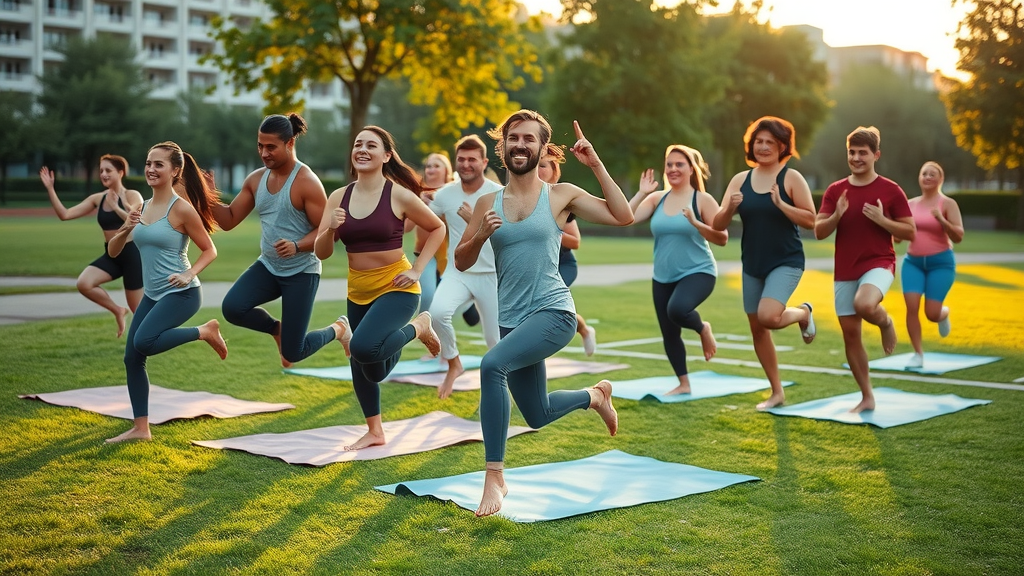
Did you know that participation in outdoor fitness activities has surged by over 40% since the onset of the COVID-19 pandemic? This remarkable increase signals a profound transformation in how people approach physical activity and well-being. As restrictions ease globally, outdoor fitness trends are reshaping lifestyles, inviting millions to embrace nature while improving both physical and mental health.
This article uncovers the latest outdoor fitness trends gaining momentum post-COVID, explores popular outdoor activities, and offers expert insights on safely and effectively enjoying fitness outside. Whether you’re a casual walker or a fitness enthusiast, understanding these trends will equip you to take full advantage of outdoor exercise’s myriad benefits.
What You’ll Learn
- Understand the rise of outdoor fitness trends post-COVID
- Explore various outdoor activities gaining popularity
- Learn expert insights and best practices for outdoor fitness
Overview of Outdoor Fitness Trends
Dr. Emily Carter, a fitness industry expert, explains, “The shift towards outdoor fitness is not just a trend but a lifestyle change post-COVID.”
Defining Outdoor Fitness
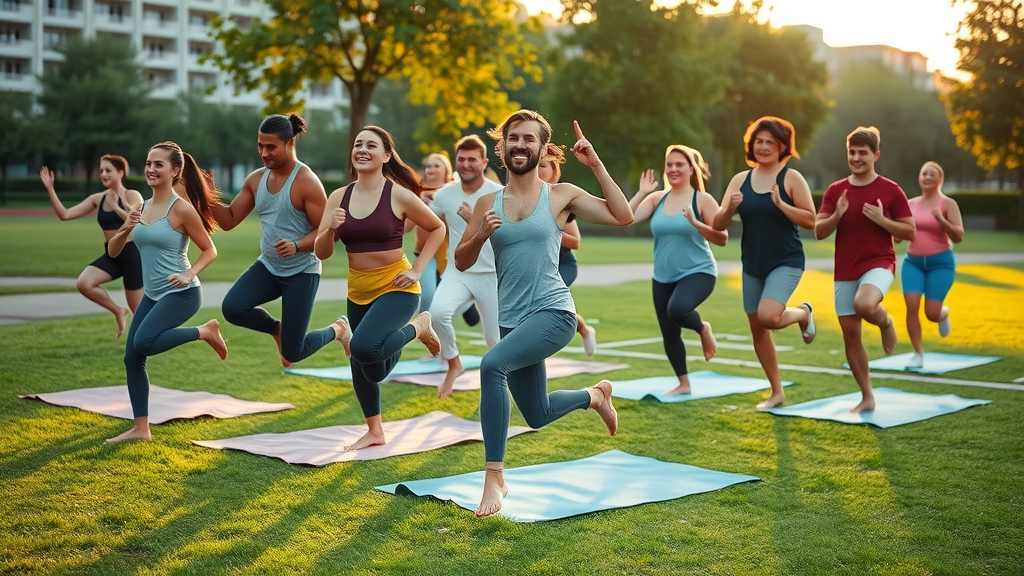
Outdoor fitness trends refer to the increasing practice of exercising in natural or open-air environments such as parks, trails, and urban green spaces. Activities span running, yoga in parks, cycling, hiking, Pilates, and many more. Unlike gym-based workouts, these activities offer fresh air, sunlight, and a connection to nature, which enhance motivation and overall well-being.
This renewed focus on outdoor fitness is propelled by a desire for social distancing, mental health benefits, and the freedom to exercise without confined indoor spaces. Post-pandemic, outdoor workouts provide a safer, more enjoyable way to stay active and combat the sedentary lifestyle imposed over the past years.
The Impact of COVID-19 on Fitness Habits
The COVID-19 pandemic profoundly altered fitness routines worldwide. With gyms closing and social interaction limited, many individuals turned to nature for exercise. This shift is evidenced by substantial growth in outdoor running, cycling, hiking, and group fitness classes held in open spaces.
Fitness expert 최수수 highlights, “People in Korea, like many others, have embraced activities such as walking, biking, Pilates, and yoga more avidly since the pandemic. These activities not only improve physical health but also nurture social connection and mental calm.”
Restrictions easing have only accelerated this movement, with communities investing in outdoor gyms, trails, and parks to accommodate and encourage safe physical activity. This era marks the beginning of a lasting outdoor fitness culture worldwide.

Comparison of Popular Outdoor Activities
Trail Running vs. Hiking
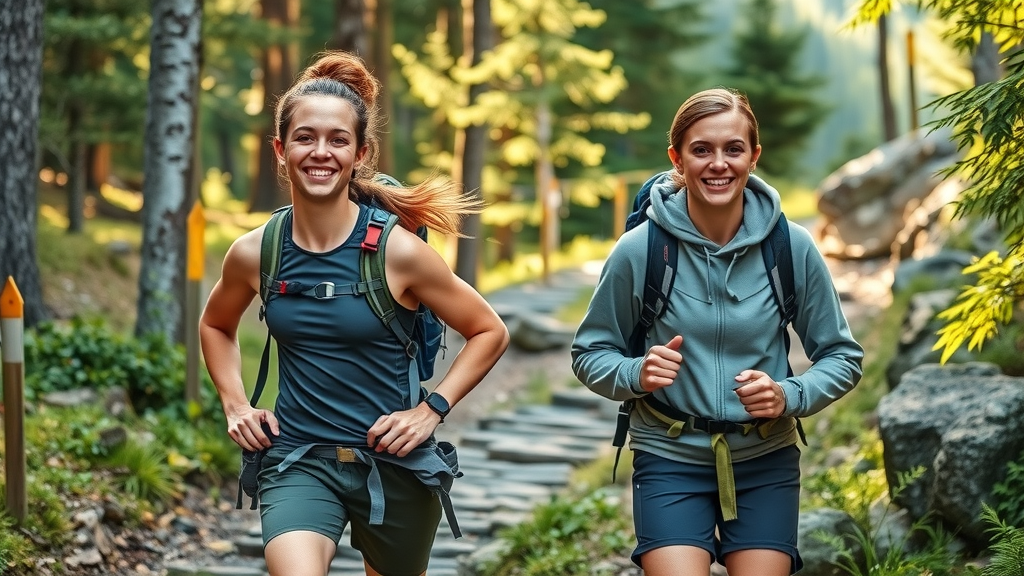
Trail running and hiking are two favorite post-COVID outdoor fitness activities, each offering distinct benefits and challenges. Trail running is a vigorous cardiovascular workout demanding speed, agility, and endurance on natural terrain. It appeals to those seeking high-intensity exercise with a scenic backdrop.
Hiking, on the other hand, offers a moderate-paced physical activity focused more on exploration and endurance. It’s less intensive on joints and suitable for a broader range of fitness levels, often combining fitness with relaxation and nature appreciation.
최수수 notes, “I tried hiking with a friend once, but it was very hard for me. While the views from the mountain were beautiful, I prefer less strenuous activities like biking and Pilates that fit my fitness levels better.” This highlights personal preference’s role in choosing outdoor fitness activities.
Yoga in the Park vs. Indoor Yoga
Yoga enthusiasts are increasingly preferring outdoor settings like parks over traditional indoor studios. Practicing yoga outdoors enhances the sensory experience, allowing practitioners to connect with natural surroundings, breathe fresh air, and relish calming sounds like birdsong and rustling leaves.
While indoor yoga offers climate control and convenience, outdoor yoga is gaining traction as it supports mental well-being and reduces stress, partly attributed to exposure to natural light and greenery. This trend embodies the essence of modern outdoor fitness, blending physical effort with mindfulness in nature.
Cycling: Day vs. Night
Cycling is a versatile outdoor fitness activity embraced for both daytime and nighttime sessions. During the day, cyclists enjoy fresh air, nature’s beauty, and social interactions. However, as 최수수 shares, “In summer, it is really hot during the day, so I often ride my bike at night. It feels good to ride a bike at night when the wind blows.”
Night cycling offers a quieter atmosphere, cooler temperatures, and less crowded paths, making it ideal for those seeking solitude or an alternative schedule. Cycling at different times allows for variety, accommodating changing weather and lifestyle preferences while maintaining consistent physical activity.
Pros & Cons of Outdoor Fitness
Advantages of Outdoor Activities
The advantages of engaging in outdoor fitness trends are numerous. One major benefit is enhanced mental health; outdoor activities reduce stress, boost mood, and combat anxiety by combining exercise with the therapeutic effect of nature.
Physically, outdoor workouts often engage more muscles due to varying terrains and natural elements. The exposure to sunlight also facilitates vitamin D synthesis, which is vital for bone health and immune function. Additionally, outdoor activities promote social interaction and community building, fostering motivation and commitment.
Challenges and Considerations
Despite the benefits, outdoor fitness presents challenges such as weather dependency, safety concerns, and equipment requirements. Inclement weather can disrupt routines, while uneven terrain and limited facilities may increase injury risks.
Choosing appropriate gear and preparing for environmental conditions are essential for safe outdoor exercise. For instance, optimal clothing layers, hydration strategies, and protective accessories help manage these challenges effectively.
Expert Insights & Best Practices
Fitness coach John Doe advises, “Start with gentle recovery exercises for runners to avoid injuries.”
Safety Tips for Outdoor Exercise
Safety is a top priority when embracing outdoor fitness. It’s critical to warm up properly, stay hydrated, and be mindful of your body’s signals. Wearing reflective gear during low-light hours and using trails suited to your fitness level can prevent accidents.
최수수 emphasizes, “Winter in Korea is very cold, so I rarely ride a bicycle in winter, prioritizing safety and comfort.” Adapt your activities seasonally to ensure enjoyment and avoid health risks.

Choosing the Right Gear
Selecting suitable gear enhances outdoor exercise efficiency and safety. Footwear designed for trails, moisture-wicking apparel, and weather-appropriate layers contribute to comfort and performance. Additionally, accessories such as hydration packs and GPS-enabled watches help monitor progress and keep hydration in check.
Technology plays a growing role too; smart fitness devices provide real-time feedback, helping enthusiasts optimize workouts and avoid overexertion while enjoying the benefits of fresh air.
Common Mistakes & Misconceptions
Misunderstanding Weather Conditions
A common mistake in outdoor fitness is underestimating weather’s impact. Exercising in extreme heat or cold without proper preparation may lead to health problems such as heatstroke or hypothermia. It’s important to check weather forecasts and dress accordingly.
Moreover, seasonal changes demand activity adaptation. For example, cycling at night in summer, as preferred by 최수수, helps mitigate heat exhaustion.
Overlooking the Importance of Hydration
Hydration is often overlooked during outdoor workouts, yet it is critical to performance and safety. Sweating outdoors can be more intense, so replenishing fluids before, during, and after exercise prevents dehydration and fatigue.
Carrying water bottles or using hydration packs, especially for longer activities like hiking or trail running, should be standard practice for all outdoor fitness participants.
Actionable Tips for Embracing Outdoor Fitness
Incorporating Outdoor Activities into Daily Routine
Integrating outdoor fitness into daily life can start with simple changes such as walking in a nearby park, cycling to work, or joining outdoor yoga classes. Scheduling regular sessions fosters routine and builds sustainable habits.
최수수 shares, “I take walks and bike rides regularly, often with friends. These activities boost my mood and health simultaneously.”

Setting Realistic Fitness Goals
Setting attainable fitness goals enhances motivation and progress tracking. Start small with achievable targets like walking 20 minutes daily and gradually increase intensity or duration. Use fitness journals or apps to record milestones and celebrate successes.
Realistic goal-setting supports longevity in outdoor fitness pursuits and prevents burnout or injury.
People Also Ask
- What are the benefits of outdoor fitness? Outdoor fitness improves cardiovascular health, mental well-being, and offers Vitamin D exposure, reducing stress and enhancing mood.
- How can I start an outdoor fitness routine? Begin with light activities like walking or stretching, gradually increasing intensity. Choose safe, accessible locations and wear appropriate gear.
- What equipment do I need for outdoor workouts? Essentials include suitable footwear, weather-appropriate clothing, hydration sources, and optionally, fitness trackers or safety gear like reflective vests.
Conclusion
Dr. Emily Carter concludes, “Outdoor fitness is here to stay, offering both physical and mental health benefits.”
Take advantage of nature’s gym by progressively incorporating outdoor activities tailored to your preferences and fitness level. Equip yourself correctly, stay safe, and enjoy the vibrant outdoor fitness community emerging worldwide.
Call to Action
- Email us at test@gmail.com for more information on outdoor fitness trends.
Sources
The surge in outdoor fitness activities post-COVID has led to innovative trends that blend exercise with nature. For instance, the article “Outdoor Fitness Trends: From Traditional Playgrounds to Sports Courses” discusses the evolution of outdoor fitness spaces, highlighting the integration of functional fitness zones and technology to enhance user experience. (apexcourtbuilders.com) Additionally, “Outdoor Fitness Trends for 2024: Embrace Nature for Better Health” explores the rise of group workouts in natural settings, emphasizing the benefits of community engagement and mental well-being. (figureworkout.com) If you’re looking to stay ahead in outdoor fitness, these resources offer valuable insights into emerging trends and practices.
Leave a Reply