Did you know that studies show people on a keto diet can lose up to three times more weight than those on standard low-fat diets? If you’re ready to shed pounds quickly and reshape your health, you’re about to discover the science-backed secrets of one of today’s most talked-about approaches to rapid fat loss. In this comprehensive guide, we’ll reveal how the ketogenic diet transforms your metabolism, bust common myths, and provide actionable tips for lasting results. Uncover the truth behind keto, and start your transformation today!
Revolutionizing Your Health with the Keto Diet
In a world overwhelmed by endless carb diets, the keto diet stands out for its ability to deliver transformative results—especially when weight loss is your top priority. Unlike conventional low calorie or fat diet strategies, keto capitalizes on the body’s natural fat-burning processes, turning you into a fat-burning machine. By dramatically reducing carbohydrates and increasing healthy fats, you trigger ketosis: a metabolic state where your body relies on fat for fuel instead of sugars. This shift doesn’t just help you lose weight—it also supports steady energy, improved mental clarity, and better blood sugar regulation.
For many, the keto diet is more than just another eating plan. It’s a revolutionary approach backed by scientific research and compelling personal stories. Imagine dropping pounds rapidly, enjoying satisfying meals, and feeling empowered by measurable progress. By strategically reducing carbs and embracing high fat, nutrient-rich foods, you unlock a host of health benefits not found in typical carb diets. Whether you’re battling stubborn belly fat or aiming for better metabolic health, the keto diet provides a proven blueprint for transformation.
Startling Statistics: The Power of the Keto Diet
The data doesn’t lie: people on the keto diet can lose up to 2-3 times more weight in the first six months compared to those on standard low fat or carbohydrate diets. In fact, researchers have observed that participants following a ketogenic diet reduced their body weight by an average of 10% in less than half a year. The secret lies in how the body adapts to burning fat for fuel, which not only accelerates weight loss but also helps regulate blood sugar and curb cravings. These numbers shine a spotlight on why the keto diet has become a preferred choice for anyone prioritizing rapid weight loss and improved health outcomes.
But weight loss is not the only compelling statistic. Keto’s effectiveness extends to lowering triglycerides, improving HDL cholesterol, and contributing to better heart health. It’s a snapshot of how a well-formulated keto eating plan outperforms restrictive carb diets and some popular alternatives like the Atkins diet or Mediterranean diet. With results like these, it’s little wonder why so many health professionals recommend keto for those who seek a comprehensive lifestyle overhaul.

Understanding the Basics of the Ketogenic Diet
Before you embark on your keto journey , it’s essential to understand what the ketogenic diet truly involves. Unlike a standard carb diet, the ketogenic diet prioritizes fat intake while minimizing carbs, pushing the body to enter a state called ketosis. This metabolic condition shifts your fuel source from glucose (derived from carbohydrates) to ketone bodies, which are produced from fat in the liver. The result? Your body becomes exceptionally efficient at burning fat both for energy and weight loss.
The foundational principle is simple: dramatically reduce carbohydrate intake (usually below 50 grams a day), enjoy higher proportions of healthy fats like olive oil and avocado, and moderate protein consumption. This legendary approach helps stabilize blood sugar, suppress hunger hormones, and set the stage for long-term, sustainable fat loss. Understanding the basics not only boosts your confidence, it prepares you for a smooth keto transition and mitigates the dreaded “keto flu” that sometimes comes with dietary shifts.
What is a Ketogenic Diet?
A ketogenic diet is a high fat, very low carb eating plan that reshapes how your body processes fuel. Instead of obtaining energy from a regular carbohydrate diet, you transition into burning fat for fuel—a state called ketosis. Commonly, this diet includes 60-75% calories from fats, 15-30% from proteins, and just 5-10% from carbs. Foods on a classic keto plan include eggs, fatty fish, meats, dairy, nuts, seeds, low-carb vegetables, and healthy oils, while grains, sugars, and most starchy vegetables are restricted. By sticking to these macronutrient ratios, you’re harnessing a new source of energy while setting the foundation for quick and consistent weight loss.
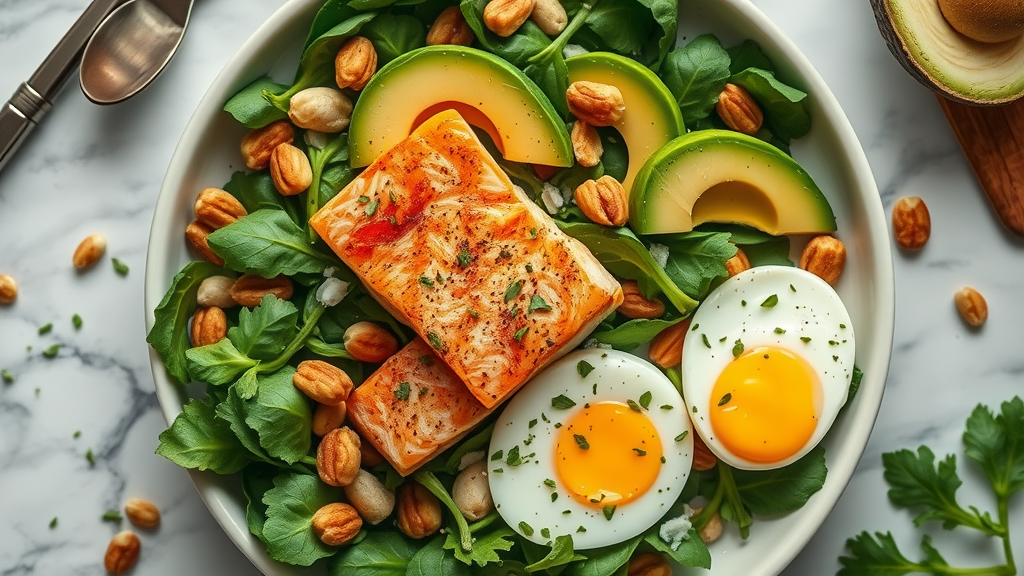
Classic keto meals are much more than just piles of bacon: they include vibrant salads topped with olive oil, roasted salmon, avocado bowls, and savory omelets filled with greens. This fat-forward, low carb diet has gained recognition for its ability to enhance fat burning, support metabolic health, and deliver lasting satiety—making it a robust alternative to traditional low fat or calorie-restricted diets. Whether you want to lose weight or manage chronic conditions, a ketogenic diet provides the versatility and scientific support necessary for success.

How the Keto Diet Promotes Rapid Weight Loss
At its core, the keto diet excels at promoting weight loss by fundamentally changing how your body burns energy. When you eliminate most carbs, your insulin levels drop, enabling the body to more easily release stored fat from fat cells. This process leads to a significant increase in fat oxidation and a steady stream of ketone bodies used for energy. Not only does this help you lose weight quickly, it also reduces cravings—making it easier to sustain a calorie deficit without constant hunger, a common pitfall of most diets.
The keto diet also preserves lean muscle mass thanks to its moderate protein intake, further boosting your metabolism. Additionally, as you eat fewer carbs, your body sheds excess water weight in the first week or two, providing visible results fast. These combined mechanisms make the ketogenic diet remarkably efficient for those who want to see “real” results without the plateaus often encountered on other carb-centric plans.
“The ketogenic diet is not just a fad. Clinical evidence demonstrates that a well-constructed keto eating plan supports rapid weight loss, stabilizes blood sugar, and can provide lasting energy—making it a powerful strategy for those pursuing transformative health.” — Dr. Alicia Jenkins, Certified Nutritionist
What You’ll Learn about Keto Diet in this Guide
-
Overview of ketogenic diet principles
-
Key benefits of the keto diet
-
Common misconceptions dispelled
-
Practical tips for successful implementation

Core Principles of a Keto Diet
The heart of every successful keto diet is its focus on macronutrient ratios and metabolic adaptation. By emphasizing fats over carbs, you reset your body’s fuel preference—training it to rely on fat for energy and efficiently burning fat stores. In contrast, a carb diet provides an immediate burst of energy but often leads to energy crashes and hunger spikes, undermining long-term progress. Understanding how the keto diet stacks up against other popular choices is essential for making an informed commitment.
While some may confuse the ketogenic diet with the Atkins diet or the Mediterranean diet, each has distinctive principles. The Atkins diet starts out very low carb but is less strict about fat type, while the Mediterranean diet focuses on plant foods, healthy fats, and moderate protein, but does not induce ketosis. The keto approach takes carb restriction to the next level and requires discipline with high fat intake and limited protein—making it uniquely effective for rapid, sustainable weight loss.
|
|
|
|
|
|
A detailed comparison of the keto diet with other diets
|
|
Diet
|
Carbohydrate Intake
|
Fat Intake
|
Protein Intake
|
Primary Focus
|
Induces Ketosis?
|
|
Keto Diet
|
Very low
(5-10%)
|
High
(60-75%)
|
Moderate
(15-30%)
|
Burning fat for fuel
|
Yes
|
|
Atkins Diet
|
Low to moderate (varies by phase)
|
High
|
Moderate
|
Low carb to stimulate weight loss
|
Partially
|
|
Mediterranean Diet
|
Moderate
(40-50%)
|
Moderate
(30-40%)
|
Moderate
|
Whole foods and heart health
|
No
|
The Science Behind Ketosis
Keto’s effectiveness is rooted in a process called ketosis, a metabolic state achieved when carb consumption is very low. Under normal circumstances, your body runs on glucose from carbohydrates. But when carbs are cut from the diet , the liver begins converting fats into ketone bodies, which serve as the main energy currency for your muscles, brain, and heart. This not only ensures your body is burning fat efficiently, but also delivers steady energy levels without the spikes and drops of a traditional carbohydrate diet.
The production of ketones alters hormone dynamics, favoring fat loss and appetite reduction. Many people on the ketogenic diet report less hunger and increased mental clarity, two major advantages for maintaining weight loss. By restructuring metabolic pathways, ketosis provides a sustainable foundation for ongoing fat burning and optimal energy utilization—even while at rest.
Carb Reduction and Its Impact on Weight Loss
Reducing carbs is at the core of every effective keto diet . When you lower your intake, your body transitions from relying on glycogen (stored carbs) to tapping into fat reserves. This shift doesn’t just promote weight loss—it also supports healthy blood sugar, lower insulin, and decreased inflammation. As the body adapts, you might notice rapid water loss followed by steady fat burning, providing the dramatic before-and-after results often seen with classic keto. Compared to other low carb diets, strict carb reduction in keto maximizes the rate and efficiency of weight loss while safeguarding muscle mass and mood stability.

The Role of Fats and Proteins
Fat is your friend on the keto diet. By making high quality fats like olive oil, avocados, nuts, and seeds the cornerstone of your meals, you supply your body with sustained energy and increased feelings of fullness. Fat for fuel staves off cravings, supports optimal hormone function, and protects against blood sugar swings. Unlike the saturated fat concerns of older fat diets, keto encourages a balance of saturated and unsaturated fats for comprehensive nutrient intake.
Protein, while not as central as fat, plays a crucial supporting role. It’s vital for muscle preservation, immune response, and tissue repair. The key is moderation: adequate, but not excessive, protein helps prevent gluconeogenesis (where protein is converted to glucose), thus maintaining ketosis. This controlled approach ensures you lose weight primarily from fat stores, not muscle mass—setting you apart from less tailored diet plans.
Keto Diet: A Structured Eating Plan
One hallmark of the most successful keto journeys is a well-structured eating plan. Planning ahead not only keeps you accountable but also eliminates the guesswork, making daily food choices easy and enjoyable. Unlike many other restrictive diet include lists, the keto diet menu is both flavorful and satisfying, thanks to its variety and focus on healthy, high-fat foods.
Adopting a keto eating plan starts with mastering your week: creating shopping lists, prepping meals in advance, and managing macronutrient ratios. This method-based approach takes the stress off day-to-day decisions and minimizes the risk of accidentally slipping out of ketosis. Planning empowers you to adapt meals for home, work, and social encounters, ensuring you’re set up for success from week one—and beyond.
Creating a Weekly Keto Meal Plan
Designing a weekly keto meal plan involves balancing nutrition, taste, and convenience. Begin by selecting proteins like beef, chicken, fatty fish, or eggs, then pair them with healthy fats such as butter, cheese, olive oil, or avocado. Fill in your plate with low-carb vegetables like leafy greens, broccoli, and zucchini. Rotating these ingredients keeps meals exciting and supports a diverse micronutrient profile.
Prepping and portioning meals at the start of each week saves time and eliminates last-minute temptations. Using apps or a simple notebook can help you track macros and ensure every meal fits into your targeted keto ratio. Ultimately, meal planning is a key pillar of the keto diet—making adherence easier, reducing cravings, and eliminating mealtime guesswork.
Understanding Macronutrient Ratios
The magic of the classic keto diet lies in hitting the right mix of macros. The standard breakdown is about 70-75% fat, 20-25% protein, and just 5-10% carbs. Keeping carbs this low (about 20-50 grams net carbs per day) is what sparks and sustains ketosis—the fat-burning state responsible for rapid results. Apps, charts, or food diaries can help you monitor proportions, identify sneaky carbs, and ensure you’re fueling your body—and your weight loss—correctly.

Incorporating Intermittent Fasting for Better Results
Pairing the keto diet with intermittent fasting can elevate your results. Intermittent fasting cycles your eating windows, prompting your body to rely even more heavily on fat stores for energy. This combination promotes deeper ketosis, faster fat loss, and improved metabolic health. Hourly windows such as 16:8 or a simple overnight fast are popular options for those pairing these two approaches.
Intermittent fasting isn’t required for success, but it can accelerate your progress, moderate appetite, and enhance insulin sensitivity. When used thoughtfully, it complements a classic keto approach, making it easier to maintain calorie balance and stay consistent with your health goals.
Exploring the Health Benefits of the Keto Diet
The health benefits of the keto diet are both diverse and well-documented. Alongside effective weight loss, research highlights improvements in blood sugar regulation, better cholesterol profiles, and even potential advantages for heart disease management. Keto’s unique metabolic effects deliver both immediate and lasting upgrades to your well-being.
Many followers report deeper sleep, more stable energy, and improved cognitive function. These added benefits make keto not just a fat diet but a comprehensive lifestyle approach. By eliminating processed carbs and focusing on whole, nutrient-dense foods, you’re investing in your future health with every delicious bite.
Weight Loss and Beyond
While shedding pounds is the most sought-after benefit of the keto diet , its reach goes beyond the scale. Keto’s low-carb, high-fat approach lowers blood sugar and insulin—two factors in long-term health and wellness. As your body adapts to burning fat rather than sugar, you experience longer satiety between meals and rarely feel the spikes and dips of traditional carb diets.
Many adherents also report reductions in blood pressure , triglycerides, and markers of inflammation. The diet’s positive influence on metabolic hormones like leptin and ghrelin also supports sustainable weight loss and appetite regulation—advantages that stack up the longer you remain consistent.

Potential Benefits in Managing Heart Disease
Cardiovascular health is a top concern for many, and the keto diet delivers promising outcomes. By promoting fat for fuel, keto supports higher HDL (“good”) cholesterol and lower triglyceride levels—both linked to reduced risk for heart disease. Additionally, blood pressure often improves on keto, further protecting long-term cardiac function.
One critical component is the diet’s emphasis on healthy fats like olive oil, avocado, and fatty fish, which have been shown to guard against inflammation and stabilize cholesterol. While more research is needed for definitive answers, current studies suggest the ketogenic diet is a viable option for those at risk for or managing heart disease, provided it is designed with heart-friendly fat sources and under medical guidance.
Mental Clarity and Cognitive Functions
Keto’s benefits extend well beyond the waistline—many users report a “clear-headed” feeling, improved concentration, and better retention. This cognitive boost is likely due to the brain’s preference for ketone bodies over glucose, resulting in steadier energy delivery and less oxidative stress. Some studies even hint at neuroprotective effects, suggesting keto may support individuals with neurological conditions or those seeking preventative brain health.
With less brain fog and more consistent focus, ketosis can help you tackle work, studies, and daily tasks with greater ease. Whether you’re managing mental tasks or seeking an intellectual edge, keto’s impact on brain function offers compelling motivation to make the switch.
Addressing Common Keto Diet Side Effects
No dietary overhaul is without side effects, and the keto diet is no exception. Transitioning from a high carb to a high fat eating plan can provoke temporary digestive setbacks, energy dips, or even the notorious keto flu. Anticipating these challenges—and knowing how to overcome them—ensures your keto transition is smooth and sustainable. Managing side effects is crucial for maintaining enthusiasm and staying the course until results become evident.
While some symptoms are fleeting, others require continuous attention to hydration, electrolytes, and balanced nutrition. With the right knowledge and preparation, you can minimize discomfort and maximize your chances for a successful, enjoyable keto journey.
Understanding and Mitigating Keto Flu
The keto flu is a cluster of symptoms some people experience during their first week on the diet, including headaches, fatigue, irritability, and muscle cramps. These symptoms are commonly linked to the rapid loss of water and electrolytes as your body adapts to lower carb intake. Fortunately, the keto flu is temporary and typically resolves within a few days to a week.
To counter the keto flu, drink plenty of water, add sea salt to your meals, and consider potassium- and magnesium-rich foods or supplements. Staying ahead of hydration, eating enough healthy fats, and resting when needed can make the adjustment much more manageable.
Long-term Side Effects and Precautions
Although the keto diet offers many short-term wins, it’s essential to consider potential long-term side effects. Extended periods of high fat intake, particularly if focused on saturated fats, could impact cholesterol levels or digestive health in susceptible individuals. Some users also report constipation, nutrient deficiencies, or a decrease in social flexibility due to dietary restrictions.
If you have existing health issues such as heart disease or kidney problems, consult your healthcare provider before going keto. Regular bloodwork and periodic reviews with your doctor are prudent for anyone embarking on a long-term dietary change, helping to identify and mitigate risks before they become problematic.

Debunking Myths About the Keto Diet
Misinformation about the keto diet abounds, making it critical to separate fact from fiction. Some believe keto is impossible to maintain, while others claim it lacks essential nutrients. The reality? When well planned, keto is both sustainable and nutritionally adequate, supporting long-term health, weight management, and disease prevention. Understanding what’s true—and what’s not—ensures you follow a keto plan that’s evidence-based and optimized for your lifestyle.
By educating yourself and dispelling these myths, you gain confidence and avoid common pitfalls that derail many newcomers to the ketogenic lifestyle.
Is the Keto Diet a Sustainable Long-Term Eating Plan?
One of the biggest myths is that keto is only a short-term fix. In reality, countless people have followed a ketogenic diet for years, enjoying sustained weight loss, stable blood sugar, and high energy. The keys to longevity are variety, proper supplementation, and regular assessments to ensure macro and micronutrient needs are met. Those who adapt keto as a lifestyle rather than a “quick fix” discover it is not only sustainable, but also deeply rewarding when tailored to individual needs and supported by ongoing education.
Misconceptions About Nutritional Value
Some argue the keto diet is nutritionally deficient, but that’s far from true when the plan is thoughtfully crafted. Filling your meals with whole foods—leafy greens, nuts, seeds, fish, eggs, and healthy oils—delivers essential vitamins, minerals, and antioxidants. Strategic inclusion of low-carb fruits and vegetables, combined with supplements where needed, ensures a broad nutrient spectrum while keeping carbs in check. Diligence and planning preserve both your health and your keto progress.
Practical Tips for Thriving on the Keto Diet
Success on the keto diet is closely tied to your daily habits and mindset. Staying organized, prioritizing meal prep, and joining support groups can help you overcome challenges like social pressures and meal fatigue. Embracing a growth mindset and learning from small missteps ensures that you continue moving forward—even if your progress isn’t linear every single week.
Tracking your macros, keeping a food diary, and celebrating small victories are excellent ways to maintain motivation and monitor your transformation. Empower yourself with patience, and remember: consistency is the ultimate key to thriving on keto.
Adapting to Keto: Strategies for Daily Success
To adapt successfully to the keto diet , focus on planning, preparation, and flexibility. Stock your pantry with staple items like coconut oil, nuts, cheese, and leafy vegetables. Try new recipes regularly and keep emergency keto snacks on hand for unexpected events or cravings. Connecting with fellow keto followers, whether online or in your community, offers encouragement and new ideas, helping you weather challenges and celebrate wins along the way.
Common Mistakes to Avoid
Newcomers to the keto diet often fall into the trap of neglecting fiber, skimping on electrolytes, or overindulging in processed keto snacks. Others ignore portion sizes, assuming that unlimited fat intake won’t impact their goals, or forget to monitor protein levels. Avoid these mistakes by staying informed, listening to your body, and periodically reassessing your eating patterns. Diligence keeps your progress steady and your keto journey enjoyable.
What do you eat on a keto diet?
The central question for anyone starting a keto diet : what do you actually eat day to day? Your options are surprisingly varied! The foundation of your meals is fats and high quality proteins, paired with low-carb vegetables, nuts, and seeds. By leveraging healthy oils, cheeses, and moderate dairy, you create nutrient-packed, delicious dishes that stay true to classic keto principles.
Trading bread, pasta, and potatoes for leafy greens, peppers, cauliflower, and avocados ensures you get a full range of micronutrients while keeping carbs in check. By being intentional with food choices, you can enjoy satisfying meals and sustained fat burning—without ever feeling deprived.
Insights into a Typical Keto Meal
A typical keto meal might feature scrambled eggs cooked in butter, spinach sautéed in olive oil, and avocado slices on the side. Lunch could be grilled salmon on a bed of arugula, drizzled with lemon juice and a sprinkle of feta. Dinner options include roast chicken with broccoli and parmesan, or a grass-fed beef burger wrapped in lettuce instead of a bun. Snacks can be simple: hard-boiled eggs, mixed nuts, or cheese cubes. By rotating proteins and vegetables, you keep things varied, exciting, and in perfect alignment with keto’s low-carb, high-fat ethos.
What is the rule for a keto diet?
The most important rule of the keto diet is strict carbohydrate limitation—generally 20-50 grams of net carbs per day, depending on your needs. This is achieved by replacing starchy, sugary items with fat-rich whole foods and moderate protein intake. Being mindful of hidden carbs and carefully tracking your intake ensures your body remains in ketosis—the magic zone for fat loss and energy transformation.
Hydration, electrolyte balance, and consistent meal times complete the main rules for successful keto. Following these guidelines ensures you achieve and sustain the dramatic results keto is famous for.
Guiding Principles to Keep in Mind
In summary, stay under your daily carb limit, focus on high-quality fats, eat moderate protein, and remain vigilant about hydration and electrolytes . Avoid processed foods whenever possible and prioritize whole, nutrient-dense sources. These principles, coupled with tracking and self-reflection, guarantee you stay in ketosis and on track towards your goals—whether rapid weight loss or long-term wellness.
What is the downside of keto?
No plan is without drawbacks, and the keto diet may not be appropriate for everyone. Some experience initial digestive discomfort, a dip in energy (the keto flu), or find the food restrictions socially and emotionally challenging. Over time, there are risks of nutrient imbalances or increased cholesterol if the diet relies too heavily on saturated fats and neglects variety.
Occasional side effects should not discourage you, but monitoring your body’s reactions and consulting your healthcare provider is always advised—especially if you have underlying health issues or take medications that interact with macronutrient intake.
Balancing Pros and Cons
Weighing keto’s benefits against its side effects is key. The rapid fat burning, improved energy, and metabolic benefits make it a compelling choice for many. However, balancing your fat sources, adjusting meal composition, and keeping an eye on cholesterol and digestive health help minimize downside risks. With thoughtful choices and regular self-check-ins, you can enjoy keto’s success while minimizing discomfort.
Can I lose 10 pounds in 3 weeks on keto?
Losing 10 pounds in 3 weeks is an attainable goal for many starting a keto diet , especially during the initial adaptation phase. Early weight loss is often accelerated by water loss followed by steady fat reduction as your body adapts to ketosis. Strict adherence to carb intake, prioritizing whole foods, and regular activity make this target realistic for most—though results vary based on age, health, and individual metabolism.
Remember, sustainable fat loss is about adopting lifelong habits, not just a quick win. Celebrate your achievements, no matter how big or small, and use early results as fuel for continued dedication to the process.
Evaluating Realistic Expectations
While rapid weight loss is common, it’s important to set sustainable goals for yourself. Consistent loss of 1-2 pounds per week after the initial “water weight” phase is considered healthy and achievable. Stay focused on body composition, energy levels, and non-scale victories, like improved sleep and confidence, as these are the hallmarks of meaningful transformation on the keto diet .
FAQs About the Keto Diet
-
Is the keto diet safe?
The keto diet is safe for most healthy individuals when properly balanced, but those with specific medical conditions should consult their doctor before starting any new eating plan.
-
What are the most common mistakes on keto?
Eating too many carbs, neglecting fiber and electrolytes, and proceeding without a structured plan are common pitfalls. Successful keto relies on education and consistency.
-
How soon will I see weight loss?
Most people lose several pounds in the first week (mainly water), followed by steady fat loss of about 1-2 pounds per week with persistent effort.
-
Can athletes or highly active people follow keto?
Yes, but they may need to strategically increase carb intake in the form of targeted or cyclical keto to support performance.
-
Will I gain weight back if I stop keto?
It’s possible to regain weight if old habits return. Transitioning thoughtfully from keto and maintaining healthy, whole-food eating patterns minimizes rebound effects.
Final Thoughts: Is the Keto Diet Right for You?
Making an Informed Decision
The keto diet is a potent tool for rapid weight loss and improved health, but success depends on commitment, education, and personal suitability. Evaluate the risks, rewards, and your readiness for consistent lifestyle changes before diving in.
Next Steps for Embracing Keto for Weight Loss
To unlock your best self with keto, start by gradually reducing carb intake, planning nutritious meals, and listening to your body. Secure support, stay accountable, and embrace the journey—your transformation starts with the first step!