
“Did you know that over 70% of people on a low carb diet struggle to overcome cravings in the first month? Discover why and how you can beat the odds.”

Mastering the Low Carb Diet: Overcoming Cravings for Lasting Success
Just starting a low carb diet or struggling to stick with one? You’re not alone—most people experience mischievous cravings in the early weeks that can derail their progress. These cravings aren’t just in your head; they’re your body’s natural response to cutting back on carb foods. But don’t worry—beating these urges fast is possible with the right science-backed strategies. In this comprehensive guide, you’ll learn exactly how carb diets impact your cravings, discover actionable tips for lasting relief, and get expert advice for maintaining your energy and focus while on a low carb meal plan .
Want practical methods for turning this challenge into a success story? This guide is packed with proven ways to manage your carb intake, boost your results, and build sustainable eating habits. By the end, you’ll have a full toolkit for conquering those cravings and achieving your health goals —even when temptation strikes. Let’s dive into how to get rid of cravings for good!
-
The science behind low carb diets and how they impact cravings
-
Strategies for beating carb cravings fast
-
Top low carb meal ideas to stay satisfied
-
Expert tips for sustainable carb eating
Understanding the Low Carb Diet: How Carb Diets Affect Your Body
Embarking on a low carb diet can lead to dramatic changes throughout the body. When you reduce your intake of carb foods like bread, pasta, and starchy vegetables, your metabolism is prompted to shift from burning glucose (from carbs) to burning fat for energy—a process called ketosis. This switch can help regulate blood sugar levels , support weight loss , and lower the risk of heart disease . However, changing your primary fuel source often leads to cravings as your body adjusts to its new energy state.
The challenge comes from years of habitual carb eating . Since carbohydrates stimulate pleasure centers in your brain, sudden removal can trigger feelings of withdrawal. Fortunately, understanding how diets like the keto diet , Atkins, and Paleo Low Carb work allows you to tailor your approach to match your needs, minimizing tough cravings and maximizing your results. Let’s explore what exactly a low carb diet is and which version might suit you best.
What is a Low Carb Diet?
“A well-formulated low carb diet doesn’t just restrict carbs, it retrains your metabolism for optimal health.”
At its core, a low carb diet restricts your daily carb intake below mainstream nutritional guidelines. While recommendations vary, most diets limit carbohydrates to anywhere from under 20 grams (like strict keto) to about 150 grams per day. Instead, the focus shifts to healthy fats, proteins, non-starchy vegetables, and leafy greens. Adopting a low carb diet can help stabilize your blood sugar , control hunger, and make it much easier to lose weight or maintain healthy weight management.
Simply put, a low carb diet prioritizes natural, minimally processed foods while reducing sugary treats, bread, rice, and other high-carb staples. The main goal is to lower insulin levels and shift your energy utilization to stored body fat. This dietary pattern stands out for its potential to reduce cravings, improve your mood, and provide steady, lasting energy—especially when you follow a structured carb meal plan .
Types of Low Carb Diets: Which Carb Diet is Right for You?
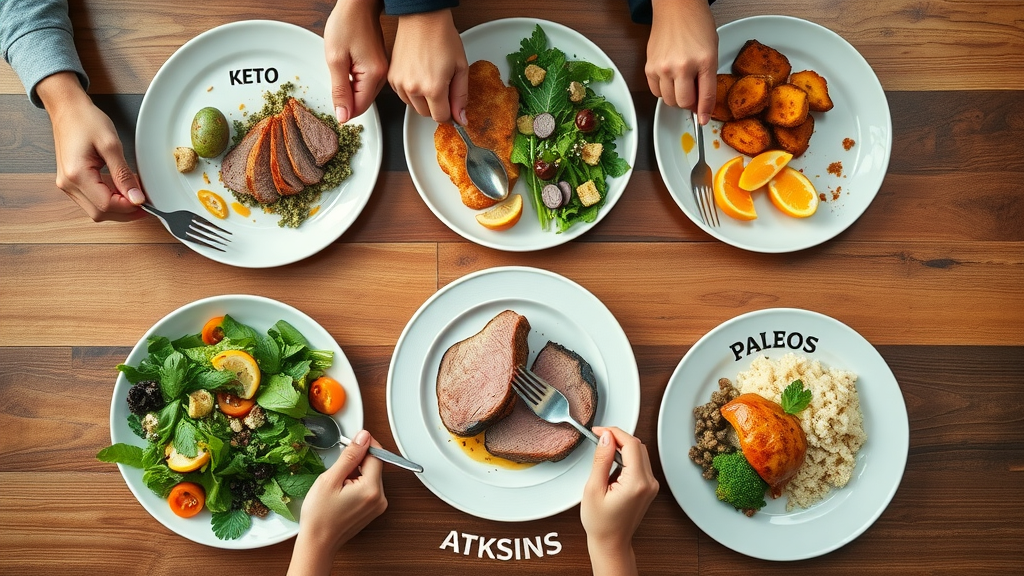
Choosing the right carb diet depends on your personal preferences, health goals, and how strict you want to limit carbs. Let’s look at three of the most popular types of low carb diets : Keto, Atkins, and Paleo Low Carb . Each has a unique approach to carb foods and meal structure. For example, the ketogenic diet keeps grams of carbs to a minimum, promoting deep fat burning and rapid weight loss . Atkins allows for slightly more flexibility as carb intake increases through different phases, while Paleo Low Carb prioritizes unprocessed, wholesome foods for overall wellness.
Choosing your diet isn’t just about restriction—it’s about finding a sustainable solution that keeps you satisfied. If you need fast results, keto might be best. If gradual, steady progress and more variety is your style, Atkins or Paleo Low Carb could be a perfect match. No matter which you choose, it’s crucial to understand how each affects your body before creating your ideal meal plan .
|
Comparison of Popular Carb Diets: |
|||
|
Diet Type |
Daily Carb Limit |
Typical Foods Included |
Best For |
|---|---|---|---|
|
Ketogenic (Keto) |
< 50g |
Meat, eggs, non-starchy veg |
Rapid fat loss |
|
Atkins |
20-100g |
Proteins, fats, some fruits |
Gradual weight loss |
|
Paleo Low Carb |
50-150g |
Lean meats, fish, veggies |
Overall wellness |
Why Do Cravings Happen on a Low Carb Diet?
Cravings often intensify when you dramatically change your food habits, especially with a low carb diet . As your body has grown accustomed to high carb foods like bread and pastries, reducing carb intake can create both mental and physical hurdles. These cravings are your body’s way of seeking its old energy source, and understanding their origin can help you break the cycle—fast.
What you might not realize is that cravings aren’t always about hunger. Emotional triggers, fluctuating blood sugar levels , or even boredom can ignite a sudden desire for carb foods. Tackling cravings head-on is key for anyone committed to mastering a carb diet and seeing real progress in weight loss or metabolic health.
The Science of Carb Cravings: Why Your Body Resists Change

Carbohydrates are quickly digested and absorbed by the body, causing a spike in blood sugar . This surge activates pleasure centers in your brain, releasing dopamine and creating a cycle of reward-seeking behavior. When you transition to a low carb diet , sudden drops in carbohydrate intake disrupt this familiar reward loop, resulting in powerful cravings.
The first few weeks are particularly difficult as your metabolism adapts to burning fats instead. This period, sometimes called the “carb flu,” can include symptoms such as low energy, mood swings, and intense hunger for sugary treats. However, sticking with a structured carb meal plan and recognizing that these cravings are temporary can make the difference between success and giving up.
Role of Carb Foods in Craving Cycles
Highly processed carb foods, like pastries and sweetened beverages, deliver rapid sugar surges to your bloodstream. Over time, this not only triggers cravings but also makes you more sensitive to fluctuations in blood sugar . The result? The less you eat these foods, the more your body seems to call out for them.
Breaking free from the craving cycle starts by acknowledging the role carb foods play in your eating patterns. Swapping out nutrient-poor snacks with high-protein, healthy fat options supports stable sugar levels and curbs the desire for unhealthy treats. Planning out your meals and snacks is a proactive way to reduce temptation and form healthier habits with your carb meal approach.
-
Sudden reduction in carb foods
-
Lack of low carb meal planning
-
Emotional eating habits
-
Inadequate nutrient intake
Fast Cure for Low Carb Diet Cravings: Actionable Tips
Ready to take control? Fast-acting solutions can make a world of difference when low carb diet cravings strike. From simple hydration strategies to building satisfying low carb meals , these practical tips are designed to nip hunger in the bud and keep you on track for weight loss or better health.
Discover easy fixes to restore balance and reclaim your taste buds. Let’s break down the most powerful strategies to banish carb cravings for good and help your body thrive on a low carb meal plan .
Hydration Hacks: Water as a Craving Buster

Many people mistake thirst for hunger, leading them to grab a carb-heavy snack instead of addressing their body’s real need: hydration. Drinking a glass of water—especially with a slice of lemon or a pinch of salt—can instantly reduce cravings and help stabilize blood sugar. Water not only fills your stomach but also aids digestion and supports fat metabolism, which is essential for anyone on a low carb diet .
Make it a habit to drink a full glass of water before your meals. When cravings hit between meals, pause and hydrate first. If the urge fades, you’ll know you were simply thirsty. Otherwise, reach for a nutrient-rich snack aligned with your low carb meal plan .
Optimal Low Carb Meal Plans to Prevent Hunger
One of the main reasons people struggle during their carb diet journey is inadequate meal planning. A structured low carb meal plan helps maintain steady energy and wards off cravings before they even begin. Focus your meals around lean proteins, healthy fats, and plenty of fiber-filled veggies. These foods digest slowly, providing lasting fullness and eliminating the desire for late-night snacks filled with added sugar.
Rotate your meal choices to prevent boredom—like switching between grilled chicken, baked salmon, or plant-based protein options. Don’t forget the importance of prepping your low carb meals ahead of time, making it easy to stick to your diet plan even on busy days.
Choosing Healthy Low Carb Foods That Satisfy
Not all low carb foods are equally satiating. Aim to fill your shopping cart with items that offer high fiber, protein, and healthy fats, avoiding processed foods laden with hidden sugars. Staples like eggs, seafood, nuts, leafy greens, and avocado are known for their staying power and nutrient density.
A well-stocked kitchen means you’ll always be able to prepare a delicious, satisfying low carb meal —even when cravings hit. These foods don’t just keep you full; their nutritional profile helps keep blood sugar levels steady and promote overall wellness.
-
Hard-boiled eggs
-
Cheese sticks
-
Nuts and seeds
-
Greek yogurt
Creating a Sustainable Low Carb Meal Plan
Success on a low carb diet isn’t just about making it through the first week—it’s about building habits that last for the long-term. Designing an easy-to-follow meal plan ensures you won’t have to rely on willpower alone. The key is balance: meals should include a variety of foods, offer enough calories, and taste great to curb cravings and prevent burnout.
A thoughtful approach covers all your bases—from planning out a week’s worth of carb meals to always having healthy snacks on hand. This way, you’re equipped to handle everything from busy workdays to unplanned social events—all without sabotaging your progress.
How to Build a Low Carb Meal That Keeps You Full
The ideal low carb meal is built around protein, healthy fats, and non-starchy vegetables. For breakfast, try an omelet with spinach and cheese or Greek yogurt topped with berries—both keep you feeling satisfied longer. For lunch and dinner, build meals around lean meats like chicken, fish, or beef, paired with fibrous greens and a small portion of nuts or seeds.
The secret is to focus on nutrient-dense ingredients and limit processed, high-sugar foods. This structure not only boosts satiety but keeps your blood sugar stable and your cravings in check. With a little creativity, sticking to a structured carb meal plan can feel both effortless and enjoyable.
|
Sample Low Carb Meal Plan: |
||
|
Meal |
Option 1 |
Option 2 |
|---|---|---|
|
Breakfast |
Omelet with spinach & cheese |
Greek yogurt with berries |
|
Lunch |
Grilled chicken salad |
Salmon & asparagus |
|
Dinner |
Beef stir fry (broccoli base) |
Pork chops & green beans |
Low Carb Foods to Always Keep on Hand
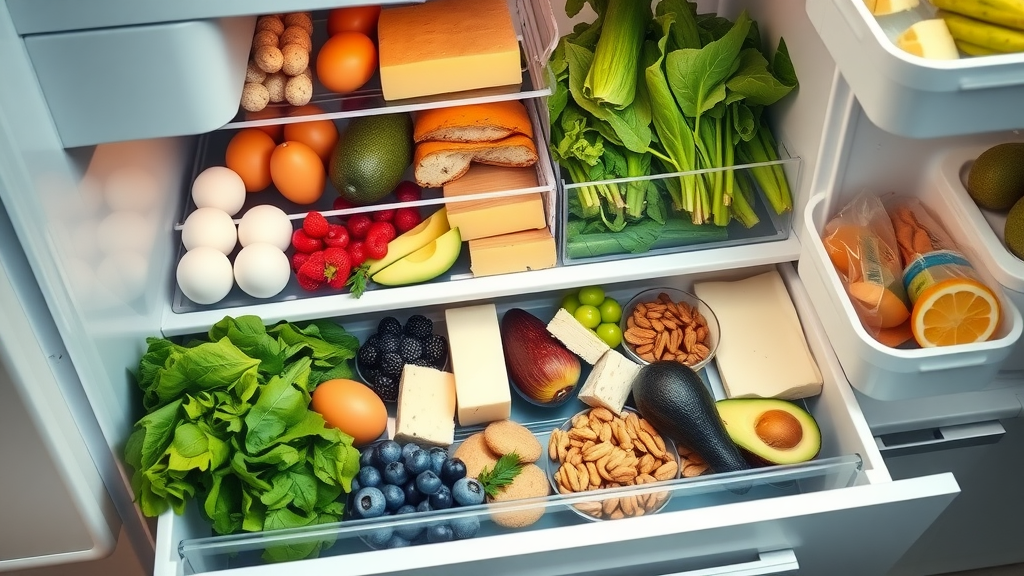
Having the right carb foods in your kitchen is essential for making smart choices under pressure. Stocking up on eggs, cheese, leafy greens, berries, avocados, and nuts keeps healthy options at your fingertips and makes meal prep simple. These staples act as the backbone to almost any low carb meal plan , setting you up for success.
With the right ingredients always available, you’re less likely to resort to processed snacks or unhealthy carb foods when hunger strikes. Regularly restocking ensures you can assemble balanced meals and snacks quickly, no matter how busy life gets. This habit is one of the most effective forms of self-care in your carb journey.
Common Mistakes to Avoid on Low Carb Diets
Even with the best intentions, it’s easy to stumble. The most frequent setbacks come from slashing carbs too aggressively without replacing crucial nutrients, or not following a structured carb meal plan . These errors leave you feeling sluggish, hungry, and more likely to give in to cravings.
The goal isn’t just to cut carbs—it’s to replace them with healthy alternatives that fuel your body and keep your mood balanced. Don’t skip the planning stage: investing a little extra time in mapping out your meals will pay off with more energy, better weight management , and fewer lapses.
Cutting Carbs Without Replacing Nutrients
Reducing carb foods without proper substitutions can result in nutrient deficiencies, low energy, or digestive troubles. Focus on incorporating plenty of fiber, vitamins, and minerals through a mix of vegetables, nuts, seeds, and lean proteins. This well-rounded approach creates a sustainable low carb diet you can follow for life.
If you notice fatigue or persistent cravings, review your meals to ensure you’re not just limiting carbs, but actually eating enough of the right foods. Small tweaks can make all the difference between feeling deprived and feeling energized.
Not Following a Structured Carb Meal Plan
“Skipping a proper meal plan is the quickest way to derail your low carb journey.”
Structure is a game-changer for any low carb diet . Without a meal plan , you’re left making decisions on the fly—which often leads to impulsive eating of high-carb foods. Setting a routine, prepping ahead, and having a go-to list of meals and snacks simplifies your daily choices, reducing stress and overcoming temptation.
Use calendars, meal-prep Sundays, and tracking apps to establish your plan and keep yourself accountable. Even a basic outline boosts your odds of sticking to your carb eating goals and hitting true results.
Best Practices for Long-Term Success with Low Carb Eating
Transitioning to a low carb diet is more than a quick fix—it’s a long-term lifestyle shift. Building habits around your new way of eating creates momentum and confidence. Consistency is the name of the game: making carb-conscious decisions regularly soon becomes second nature, paving the way for sustained health improvements.
Include a variety of meals, celebrate your wins (big or small), and get family or friends involved for support. These practices not only help you master the mechanics of carb eating but make healthy low carb living a positive, ongoing journey.
Building Lasting Habits Around Low Carb Diet Principles

Habits form the backbone of success with any carb diet . Incorporate routine meal prepping, try out new recipes, and keep healthy snacks nearby. Over time, these behaviors reduce decision fatigue and keep you motivated. Celebrate your progress, stay aware of triggers, and don’t let one slip-up derail your efforts.
A key tip is to involve others—co-workers, friends, or online groups—who are also pursuing their own version of low carb eating . The more support you have, the more likely you’ll build a sustainable system that fits your life and delivers lasting benefits.
When to Seek Health Care Advice on Carb Diets
While a low carb diet is safe for most, there are situations where professional guidance is necessary. If you’re experiencing symptoms like persistent fatigue, dizziness, or have a medical condition (such as diabetes or kidney issues), consult your health care team before making big dietary changes. Customizing your meal plan with expert input ensures optimal results and safety.
Regular health care check-ins also help monitor cholesterol, blood pressure, and blood sugar levels. These check-ups can catch any potential nutrient gaps or side effects and allow you to adjust your approach, so your carb journey supports long-term wellness.
-
Prepare meals in advance
-
Track your progress
-
Join a support group
FAQs about the Low Carb Diet
Is a Low Carb Diet Safe for Everyone?
Most people can safely follow a low carb diet , but certain individuals—such as those with chronic illnesses or specific medical conditions—should seek advice from a health care professional. If you experience persistent issues or have unique health needs, it’s best to tailor your carb meal plan under guidance.
How Quickly Can You Lose Weight on Low Carb Diets?
Many people notice rapid weight loss within the first two weeks of a low carb diet , mainly due to reduced water retention. Sustainable fat loss follows with consistent adherence to your carb meal plan , and most experience steady progress over months, depending on their starting point and activity levels.
People Also Ask
What can you eat on a low-carb diet?
A low carb diet emphasizes lean meats, eggs, leafy greens, non-starchy vegetables, nuts, seeds, and healthy fats. You’ll steer clear of bread, pastries, sugary snacks, and most processed foods to keep carb meals nutrient-rich and healthy low .
Sample foods include: lean meats, eggs, leafy greens, non-starchy vegetables, nuts, and healthy fats while avoiding breads, pastries, and sugary snacks.
Think grilled chicken, salmon, kale salads, broccoli, almonds, and olive oil. Build meals with variety and you’ll keep cravings at bay.
What is an example of a low carbohydrate diet?
The ketogenic diet is a classic low carbohydrate plan. It limits daily carb intake to under 50 grams per day, focusing on foods high in protein and fat—like eggs, cheese, fatty fish, meat, coconut oil, and avocado.
The ketogenic diet is a classic low carbohydrate plan that limits daily carb intake to under 50 grams and prioritizes foods rich in protein and fat.
Following keto means shifting most of your energy sources to healthy fats and proteins, helping promote rapid weight loss and reduce cravings for carb foods .
What’s the worst carb for belly fat?
Refined sugars and processed carbs—such as those in pastries, white bread, and sweetened drinks—are among the worst offenders for storing belly fat. Avoiding these in your carb meal plan is key to weight loss and metabolic balance.
Refined sugars and processed carbs, such as those found in pastries, sweetened drinks, and white bread, are the top contributors to belly fat.
Swap them for whole foods, and your body will thank you with more steady energy and reduced belly fat.
What is considered low-carb diet?
A low-carb diet typically means keeping carbohydrate intake below 130 grams per day, focusing on protein, fiber, and healthy fats for most of your calories. The level can vary depending on which carb diet you choose.
A low-carb diet generally limits carbohydrate intake to fewer than 130 grams per day, with a focus on proteins, vegetables, and healthy fats.
Always tailor your meal plan to your unique preferences, activity level, and health care needs for the best results.
Summary and Next Steps for Your Low Carb Diet Journey
-
Consistency with a low carb meal plan curbs cravings
-
Stay hydrated and snack on healthy low carb foods
-
Seek expert advice if experiencing health care issues
-
Use these proven strategies for better carb diet results
Take the Next Step to Master Your Low Carb Diet Journey
-
Ready to conquer low carb cravings for good? Bookmark this guide, share your journey, or consult with a nutrition professional to build your custom carb diet meal plan today!
Leave a Reply