
Discover why embracing theimportance of hobbiesis essential for nurturing both your mental and physical health. From leisurely walks in serene parks to engaging creative pursuits, hobbies enrich our lives by offering relaxation, connection, and vitality. In today’s fast-paced world, carving out time for hobbies not only boosts our mood but also sustains overall well-being. This article explores how various hobbies — especially physical and social activities — contribute to a balanced lifestyle.
Overview of the Importance of Hobbies
Defining Hobbies and Their Role in Life
The concept of a hobby encompasses activities individuals deliberately choose for enjoyment and personal satisfaction, distinct from obligations or work-related tasks. As the transcript reveals, hobbies like playing games or taking walks serve as outlets for relaxation and fun, integral to one’s lifestyle. People often gravitate toward hobbies that resonate with their personality and circumstances, such as cycling in spring to appreciate blooming flowers or hiking to challenge themselves physically.
These passions are not merely leisure activities; they act as vital elements of identity and fulfillment. The Korean hobbyist from the transcript highlights how taking walks while listening to music or calling friends enhances their day, demonstrating hobbies’ social and emotional dimensions. Thus, hobbies often represent purposeful or restorative engagements that foster joy and balance in daily life.
The Connection Between Hobbies and Well-being
The importance of hobbies profoundly lies in their powerful impact on mental and physical well-being. Engaging in meaningful hobbies helps relieve stress, combats feelings of isolation, and promotes cognitive stimulation. The expert Choi Susu emphasizes this, illustrating that hobbies like Pilates and yoga, though challenging at first, bring lasting gratification and health benefits once mastered.
Moreover, hobbies such as cycling or walking increase physical activity levels, improving cardiovascular health, boosting energy, and elevating mood through endorphin release. Choosing hobbies appropriate to the season, like biking during spring or walking in a quiet park at night, further enhances these benefits. The multitiered impact of hobbies makes them crucial tools for sustaining a healthy lifestyle.

Popular Hobbies and Their Benefits
Physical Activities: Walking, Cycling, and More
Physical hobbies such as walking and cycling are widely cherished for their accessibility and encompassing well-being advantages. According to the transcript, walking is not just exercise but also an opportunity to connect with nature or friends, which amplifies the psychological uplift derived from movement. Nighttime walks or bike rides, in particular, offer quietude and a refreshing atmosphere, ideal for stress relief.
Seasonal changes influence how people engage in these activities: springtime invites exploration of blossoming flora, summer benefits from cool night rides, and autumn’s scenic views motivate extended outdoor exercise. These physical hobbies’ combination of cardiovascular benefit, relaxation, and social interaction underscores their value. They are an essential component in any strategy to harness the importance of hobbies for health.
Creative Pursuits: Music, Art, and Crafts
Creative hobbies—ranging from music appreciation to painting and crafts—offer profound mental stimulation and emotional release. Engaging in art or music nurtures creativity, reduces anxiety, and fosters focus. These pursuits complement physical hobbies by balancing active and reflective states, further enhancing psychological resilience.
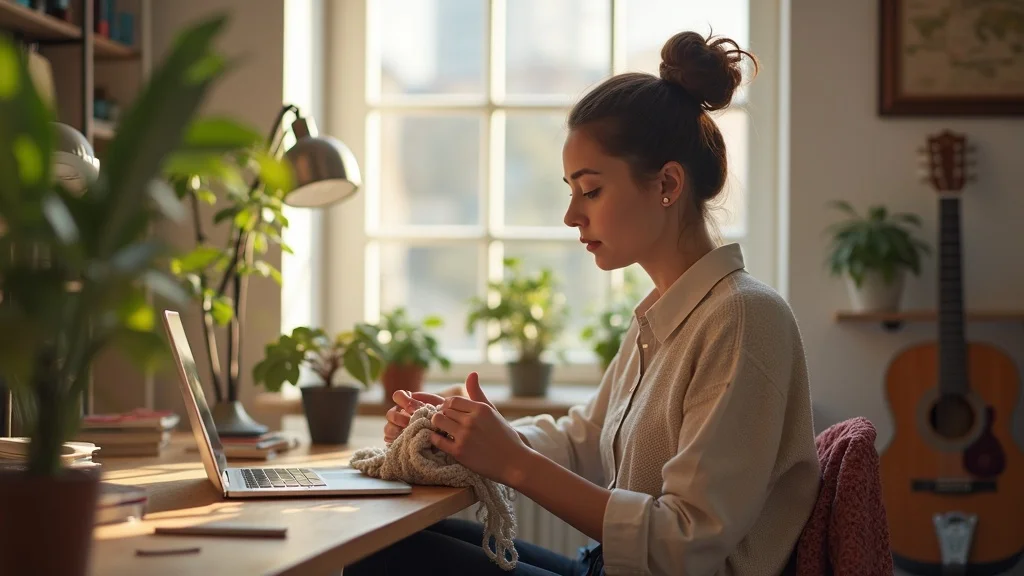
As imagery often shows, the expressive aspect of hobbies like painting provides a cozy, sunlit setting for relaxation and personal growth. Incorporating creative activities into one’s routine can also encourage mindfulness and a sustained sense of achievement, which directly impacts mental well-being.
Social Hobbies: Group Sports and Community Events
Social engagement through hobbies such as group sports and community events builds belonging and reduces loneliness. The transcript notes how activities like hiking, despite physical challenge, offer opportunities for friendship and shared accomplishments. Exercising in groups or meeting friends during walks enriches the social fabric of life.
These interactions are crucial for emotional health, cultivating support networks and enhancing motivation. Group-based hobbies also encourage accountability and consistency in pursuing fitness goals. Thus, social hobbies play a pivotal role in leveraging the full spectrum of benefits related to the importance of hobbies.

Pros & Cons of Different Hobbies
Advantages of Active Hobbies
Active hobbies, such as jogging, cycling, and Pilates, offer substantial health benefits. They improve cardiovascular function, muscular strength, and flexibility while promoting mental clarity and reducing stress hormones. The transcript’s expert, Choi Susu, shares her positive experiences with Pilates and yoga, highlighting how these activities, although initially tough, become enjoyable and rewarding through consistent practice.
In addition to physical improvements, active hobbies provide a sense of progress and empowerment, vital for self-esteem. They also promote better sleep patterns and overall energy, contributing to a holistic well-being profile.

Drawbacks to Consider
However, some active hobbies may pose physical challenges or risks. The transcript mentions dislike for running due to joint pain and hiking’s difficulty, emphasizing that not all active hobbies suit everyone’s abilities or preferences. Overexertion or improper technique can lead to injuries, potentially discouraging participation.
Additionally, overcommitting to any hobby without balanced scheduling might lead to exhaustion or neglect of responsibilities. Recognizing one’s limits and selecting hobbies aligned with personal health conditions helps mitigate these drawbacks, making the journey enjoyable rather than stressful.
Expert Insights & Best Practices
“Hobbies are essential for maintaining a balanced life,” explains Dr. Emily Carter, a wellness expert. “They are not just ways to pass time but powerful tools to nurture mental clarity and physical health.”
Choosing the Right Hobby for You
When deciding on hobbies, it is important to consider what activities fit your interests, lifestyle, and physical condition. As Choi Susu states in her experience, what might be rewarding for one person, such as hiking or running, may not be enjoyable or feasible for another. Reflect on what brings you joy without causing undue strain, and remain open to exploring new options.

Incorporating Hobbies into Daily Life
Integrating hobbies into everyday schedules requires intentional planning. Starting small, perhaps with short walks or brief creative sessions, can build momentum. Choi Susu advises consistency, sharing how she exercises twice a week, which has transformed Pilates into an enjoyable routine. Balancing hobbies alongside work and responsibilities avoids burnout while maximizing benefits.
Common Mistakes & Misconceptions About Hobbies
Misunderstanding the Purpose of Hobbies
A common misconception is viewing hobbies merely as chores or obligations instead of sources of joy and relaxation. This mindset undermines their psychological benefits. Recognizing hobbies as essential for holistic well-being fosters a healthier attitude and sustained engagement.
Overcommitting to Hobbies
Overindulgence in hobbies can disrupt balance, leading to stress or social isolation. Experts recommend moderation and mindful scheduling, ensuring hobbies complement rather than compete with other life domains.
Actionable Tips for Embracing Hobbies
Starting Small and Building Up
Begin with manageable goals: short daily walks, introductory art sessions, or gentle yoga at home. Gradually increasing intensity and duration helps build confidence and habit formation without risk of discouragement or injury.
Balancing Hobbies with Other Responsibilities
Effective time management is key to sustaining hobbies alongside work and family. Setting specific time blocks, such as after work or during weekends, ensures hobbies enrich your life without detracting from duties.
People Also Ask
What are the health benefits of having hobbies?
Hobbies reduce stress, improve mental health, enhance cognitive function, and increase physical fitness through active pursuits.
How often should I engage in hobbies for well-being?
Consistent engagement, even a few times weekly, can yield significant mental and physical benefits over time.
Can hobbies help with stress management?
Yes, hobbies distract from daily pressures, providing relaxation and mood enhancement, key for managing stress.
Conclusion
Summarizing the Importance of Hobbies
Engaging in diverse hobbies is fundamental to nurturing balanced mental and physical health, offering both pleasure and purpose.
Encouragement to Explore New Hobbies
Explore activities like walking, cycling, or creative arts to discover what best supports your well-being.
Call to Action: Email us at admin@gmail.com
If you want to learn more or share your hobby experiences, contact us here.
Sources
For a deeper understanding of how group activities influence well-being, explore Sport in South Korea, which gives a comprehensive overview of the cultural and social role that sports and physical hobbies play in Korean society. Additionally, Most Popular Sports in South Korea breaks down current trends, revealing what hobbies and sports are most commonly embraced and their impact on community life. If you’re serious about enhancing your overall well-being through hobbies, these resources will give you valuable global and cultural insights into the importance of physical and social activities.
Leave a Reply