
Did you know that over 70% of adults in the United States are overweight or obese ? Yet, a simple shift in your diet can make all the difference—not just in how you look, but in how you feel every single day. Imagine waking up full of energy, watching the pounds drop, and knowing you’re lowering your risk for heart disease, diabetes, and other major health issues. This article reveals the easiest yet most powerful diet secret that doesn’t require expensive supplements or complicated routines—just practical, science-backed changes you can implement right away.
The Power of a Healthy Diet: Surprising Statistics and Facts
A healthy diet is a game-changer—for your weight, mood, and even long-term health. Studies show that poor diets are responsible for more deaths globally than tobacco, mainly due to heart disease and diabetes. Recent research highlights that only 1 in 10 Americans eat enough fruits and vegetables daily, even though these foods are heavily recommended in the Dietary Guidelines for Americans . Making smarter choices in your eating habits isn’t just about weight loss; it can also lengthen your lifespan and dramatically improve your quality of life.
Dietary guidelines recommend a variety of foods for balanced nutrition. For example, people who consistently follow these guidelines experience lower rates of obesity, high blood pressure , and chronic health conditions. Surprisingly, the simple act of improving your eating plan can impact everything from your sleep quality to your energy levels throughout the day. Taking control of your diet is the first step to transforming your body and unlocking your best self.

Understanding the Basics of a Balanced Diet
Before you can change your body, you need to understand what a balanced diet really means. At its core, a balanced diet provides your body with the nutrients it needs to work effectively, without excess calories, unhealthy fats, or added sugars. By focusing on a range of food groups—fruits, vegetables, lean proteins, whole grains, and healthy fats—you’ll ensure you’re meeting daily nutritional requirements while keeping your energy steady and your weight in check.
The key to a healthy diet is variety. Incorporate a rainbow of colors on your plate and aim for plenty of minimally processed foods. Not only does this help you maintain a healthy weight , but it also reduces your risk for conditions such as cardiovascular disease, high blood pressure , and type 2 diabetes. Creating a balanced diet isn’t about rigid restrictions; it’s about making better choices and enjoying the journey to better health.
What Constitutes a Balanced Diet?
A balanced diet combines all the essential food groups in the right proportions. It includes fruits and vegetables, whole grains, lean protein sources like poultry, fish, beans, and nuts, as well as healthy fats such as those from avocados, nuts, and seeds. Hydration is also crucial, so make water your drink of choice instead of sugary sodas or processed juice.
Don’t forget the importance of portion control and serving size. Eating too much—even of healthy foods—can still lead to weight gain . The Dietary Guidelines for Americans insists that individuals focus on variety, nutrient density, and portion size. Your healthcare provider can help you tailor your eating patterns to fit your unique needs, but the goal stays the same: fuels your body, satisfies your hunger, and keeps you energized throughout the day.
Dietary Guidelines for Americans: What They Mean for You
The Dietary Guidelines for Americans are updated every five years to reflect the latest scientific research on what constitutes a healthy, balanced diet. These recommendations offer practical advice—such as limiting saturated fat, added sugars, and sodium, while increasing your intake of fruits, vegetables, and whole grains. For most people, this means shifting away from processed foods and focusing on a plant-forward eating plan.
Following these guidelines can feel overwhelming at first, but small steps make a big difference. For example, swap white bread for whole grain, fill half your plate with vegetables, and choose lean protein sources. These mindful changes, repeated regularly, build lifelong habits that not only help with weight loss but also lower your risk for heart disease and other chronic illnesses.
Crafting Your Personalized Eating Plan
Every individual’s path to health is unique. To truly transform your body, you need an eating plan that works for your preferences, schedule, and goals. Personalizing your eating plan ensures you stay motivated and committed long-term. Start by assessing your current diet and identifying small changes for improvement, such as adding more fruits and vegetables or reducing highly processed foods.
Think about your daily routine and the foods you genuinely enjoy. An effective eating plan is about balance—not restriction. It’s better to include a few indulgences occasionally than to risk feeling deprived and rebounding into old habits. When designing your plan, consider your physical activity levels, work schedule, and even family preferences for shared meals. Your care provider or a registered dietitian can help fine-tune your approach for optimal results.
Adapting Dietary Guidelines to Everyday Life
Many people struggle with following dietary guidelines because they seem impractical or complicated. But applying them is much easier when you break things down into small, manageable steps. For example, you can start by preparing your meals at home using whole ingredients instead of relying on takeout or premade foods laden with sodium and saturated fat.
Incorporate more fruit and vegetable servings into your snacks and main dishes—think carrot sticks, apple slices, or a fresh garden salad with dinner. Choose foods with naturally occurring, healthy fatty acids and avoid those containing trans fats or high levels of saturated fat. Making shopping lists and preparing meals ahead of time reduces temptation and keeps your eating habits aligned with your health goals.

Create a Healthy Eating Plan for Weight Loss
A successful eating plan for weight loss isn’t about starving yourself or cutting out entire food groups. It’s about making simple, sustainable swaps that add up over time. Replace sugary snacks with fresh fruit, opt for grilled meats over fried options, and limit your intake of processed foods. Remember, it’s not just what you eat, but how much—be mindful of serving size and portion control.
Track your meals in a food diary or use a meal planning app to monitor your progress. Make sure your eating plan includes regular meals throughout the day, which helps keep your metabolism active and prevents binge eating. Pair your healthy eating efforts with regular physical activity for maximum weight loss benefits and improved heart health.
Top Foods for Rapid Weight Loss and Healthy Living
Certain foods can accelerate your journey toward rapid weight loss and overall health. Filling up on high-fiber, nutrient-dense options like leafy greens, lean proteins, and whole grains helps you stay satisfied and energized. Foods low in saturated fat and added sugars help prevent unwanted weight gain and support a healthy metabolism.
Fruits and vegetables are dietary powerhouses—rich in vitamins, minerals, and antioxidants. Salmon, nuts, beans, and seeds offer healthy fatty acids that promote heart health and steady energy. Incorporate these foods into every meal to help speed up weight loss and boost your well-being.
The Role of Fruits and Vegetables in Your Diet
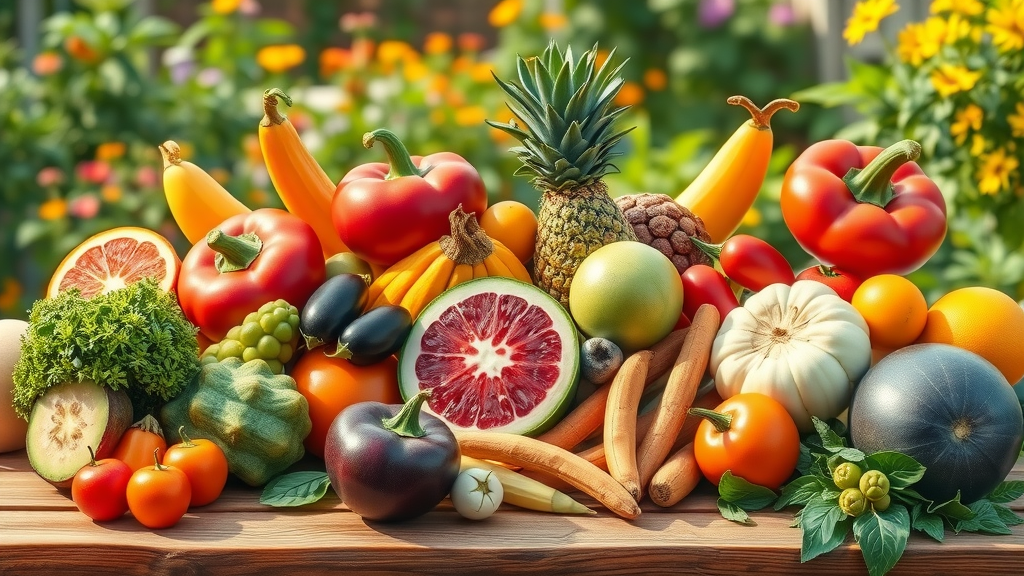
Packed with fiber and water, fruits and vegetables help you feel full with fewer calories. They’re perfect for snacking and a must-have at every meal. Brightly colored produce such as spinach, carrots, bell peppers, and berries provide essential nutrients that keep your cells healthy and your immune system strong.
Aim for a variety of colors on your plate—each offering different combinations of vitamins and antioxidants. In addition to bolstering your immune system, fruits and vegetables lower your risk of heart disease and high blood pressure. The more variety you include, the more benefits you’ll reap from your diet.
Managing Blood Pressure with Your Eating Plan
High blood pressure is a major risk factor for heart disease and stroke, but smart dietary choices can bring it under control. Reducing your intake of sodium and saturated fat while increasing your consumption of potassium-rich foods—like bananas, oranges, and leafy greens—makes a meaningful difference for heart health.
The DASH (Dietary Approaches to Stop Hypertension) plan is a prime example of how an effective eating plan can lower blood pressure naturally. The plan emphasizes fruits, vegetables, whole grains, and lean proteins, while discouraging processed meat and excess salt. Work with your healthcare provider to tailor a plan that supports both your weight and blood pressure goals.
Saturated Fat and Its Impact on Health
Saturated fat is found in foods like fatty meats, full-fat dairy, butter, and many processed snacks. Research has consistently linked a diet high in saturated fat to increased cholesterol levels and a greater risk of heart disease. That’s why the Dietary Guidelines for Americans advise limiting these fats as much as possible.
Instead, choose foods with healthier fatty acids, such as olive oil, avocados, nuts, and seeds. Swapping saturated fat for unsaturated fats helps reduce inflammation, support brain health, and keep your heart strong. Paying attention to labels and learning to spot sources of saturated fat in your foods and drinks is key for weight control and overall well-being.
Understanding the Effects of Saturated Fat in Your Diet
Consuming too much saturated fat raises bad cholesterol (LDL) levels, increasing your risk for cardiovascular disease , heart attack, and stroke. Many people consume more saturated fat than recommended, often through processed foods, fast food, and certain oils. Limiting these foods is one of the most effective steps anyone can take to improve their heart health and lose weight.
Replace foods high in saturated fats with more plant-based options. Select lean sources of protein, prepare meals at home to control ingredients, and be mindful of any product labeled “partially hydrogenated”—a sign of unhealthy fats. Your body needs some fat for hormone production and cell health, but aiming for more unsaturated, healthy fats is the wisest choice for lasting health benefits.
Maintaining a Healthy Weight: Tips and Tricks
Maintaining a healthy weight is a lifelong journey, not a short-term fix. It requires balancing the energy (calories) you take in from foods and drinks with the energy you burn through daily activity and exercise. Gradually adopting healthy eating patterns and building in regular physical activity makes weight management easier and more sustainable.
Smart strategies include eating regular meals, choosing nutrient-dense foods, drinking water instead of sugary beverages, and finding physical activities you enjoy. Tracking your progress and setting realistic goals helps you stay on course, especially when life gets busy. Most importantly, don’t punish yourself for occasional setbacks—small adjustments get you back on track.
Weight Loss Strategies That Work
Research shows that sustainable weight loss comes from making small but consistent changes in your eating plan and activity levels. Start by identifying your biggest dietary pitfalls—maybe it’s late-night snacking, frequent sugary drinks, or oversized portions. Replace these habits with healthier choices like herbal teas, fruits, and measured servings.
Other effective strategies include mindful eating, planning meals ahead, preparing snacks in advance, and seeking support from friends, family, or a care provider. Remember, losing weight is not about deprivation but about balance—you’ll succeed by creating an environment and a routine that supports your goals.
Achieving and Maintaining a Healthy Weight
Maintaining a healthy weight is about consistency and patience. Celebrate every victory, no matter how small. Focus on whole, nutrient-dense foods and be sure to enjoy your meals—eating should never feel stressful or guilt-ridden. Use tools like food diaries, activity trackers, and mobile apps to monitor your habits and celebrate your progress.
Regular physical activity complements your diet and helps prevent the weight gain that often comes with aging. Whether you love dancing, hiking, cycling, or swimming, find movement that excites you and build it into your routine. Finally, consult with your healthcare or care provider if you encounter plateaus or new health concerns. They can offer customized advice based on the latest dietary guidelines and your individual needs.
People Also Ask: What is the Most Effective Diet to Lose Weight?
With countless diets flooding the market, it’s easy to get overwhelmed. The truth is, the most effective diet to lose weight is the one you can maintain long-term. For some, that’s a Mediterranean diet rich in whole grains, healthy fats, and fresh produce. For others, it may be a low-carb approach, a plant-based eating plan, or intermittent fasting. The key is to choose a method that fits your lifestyle, preferences, and schedule.
Exploring the Best Diets for Weight Loss
Let’s take a closer look at some science-backed options:
- Mediterranean Diet: Focuses on fruits, vegetables, lean proteins, healthy unsaturated fats (like olive oil), and moderate dairy.
- DASH Diet: Designed to lower blood pressure and focuses heavily on fruits and vegetables, whole grains, and lean proteins while limiting salt.
- Plant-Based Diet: Emphasizes whole foods derived from plants, limiting animal products and processed foods.
- Low-Carb/Keto Diet: Reduces carbohydrate intake in favor of high-fat and moderate protein foods to promote rapid weight loss for some individuals.
- Intermittent Fasting: Alternates periods of eating and fasting to help manage calorie intake and boost metabolism.
balanced diet
What is the Number One Fruit to Lower Blood Pressure?
While many fruits benefit blood pressure , berries —especially blueberries—stand out as the top choice. Blueberries are packed with antioxidants called anthocyanins, which have been shown to relax blood vessels and improve overall cardiovascular health. Their role in a healthy eating plan is well established through numerous studies.
Other top fruits for blood pressure include bananas (for their potassium content), oranges, and kiwis. Consuming a variety of fruits daily can help keep blood pressure in check, support a healthy heart, and offer additional health benefits like improved skin and brain function.

Top Fruits for Blood Pressure Management
- Blueberries: Rich in heart-healthy antioxidants, known to help lower blood pressure.
- Bananas: High in potassium, which counteracts sodium and supports cardiovascular health.
- Oranges: Packed with vitamin C and potassium, both of which contribute to lower blood pressure.
- Kiwis: Shown in studies to reduce blood pressure when consumed regularly.
- Watermelon: Contains an amino acid called citrulline that may help manage blood pressure.
What Do You Mean by Diet?
The term diet refers to the sum of all foods and drinks a person consumes regularly. It’s not just about weight loss, but about overall health, well-being, and sustained energy. A diet can vary by culture, religion, health needs, and personal preference, but all healthy diets share key principles: variety, moderation, nutrient density, and balance.
Your everyday diet patterns form the foundation of your health. Whether your goal is losing weight, improving blood pressure, or simply feeling better, making conscious choices about what you eat and drink—combined with physical activity—will support long-term success.
Defining Diet and Its Variations
A diet can be omnivorous, vegetarian, vegan, paleo, Mediterranean, low-carb, or dozens of other variations. There are also medical diets—prescribed for managing conditions such as diabetes or food allergies. No matter which type you follow, prioritize balance over restriction, and always consider your unique needs and preferences.
Work with your care provider if you have specific goals or health concerns. They can recommend adjustments based on medical history, age, activity level, and even genetic factors. The best diet is the one you enjoy, can sustain, and that truly nurtures your body and mind.
What is the 7 Day Challenge Diet?
The 7 Day Challenge Diet is a short-term, structured eating plan designed to jumpstart weight loss and reset unhealthy eating patterns. These challenges usually involve a specific set of guidelines—like focusing on fruits and vegetables one day, lean proteins the next, and so on—to keep meals interesting and prevent boredom.
Many people turn to a 7-day challenge as a motivational tool, using it to break cravings or develop new healthy eating habits. While results can include rapid weight loss, remember that these plans are most effective as a springboard to longer-term changes, not a permanent solution.
Exploring The 7 Day Challenge Diet Plan
A typical 7-day challenge may look like this:
- Day 1: Only fruits (except bananas), plenty of water.
- Day 2: Only vegetables, especially leafy greens.
- Day 3: Fruits and vegetables except potatoes, plus water.
- Day 4: Bananas and milk.
- Day 5: Lean proteins (like chicken or fish) and tomatoes.
- Day 6: Lean meats and vegetables (no potatoes).
- Day 7: Brown rice, fruits, and vegetables.
Conclusion: Embark on Your Journey Towards a Healthier You
“A balanced diet is the foundation of a vibrant, energetic life—it’s not about deprivation, but about nourishing every cell in your body.”
- Eat a variety of fruits and vegetables daily.
- Choose whole grains over refined grains.
- Include lean proteins like fish, beans, and poultry.
- Limit added sugars and saturated fat.
- Practice portion control and mindful eating habits.
- Stay hydrated—make water your go-to beverage.
- Incorporate regular physical activity.
| Diet | Main Focus | Best For | Potential Benefits |
|---|---|---|---|
| Mediterranean Diet | Whole grains, healthy fats, fruits & vegetables | Heart health, overall longevity | Reduces risk of heart disease, improves energy |
| DASH Diet | Low sodium, rich in fruits & vegetables | Blood pressure control | Lowers blood pressure and cholesterol |
| Plant-Based Diet | Fruits, vegetables, nuts, seeds | Vegetarians, overall health | Reduces inflammation, supports weight loss |
| Keto/Low-Carb | Low carb, high fat, moderate protein | Rapid weight loss, blood sugar control | Quick weight loss, may lower blood sugar |
FAQs: Common Questions About Diets and Healthy Eating
- What is the most effective diet for weight loss? The most effective diet is personalized—one that you can maintain long-term and that includes variety, balance, and moderation. Commonly recommended options include the Mediterranean, DASH, plant-based, and low-carb diets.
- How can I make a healthy eating plan? Start by replacing processed foods with more fruits, vegetables, lean proteins, and whole grains. Prepare meals at home, plan ahead, and control portion sizes. Consult a care provider or dietitian for additional guidance.
- What foods help lower blood pressure? Focus on potassium-rich fruits (like bananas and berries), leafy green vegetables, whole grains, and foods low in sodium and saturated fat.
- What do the Dietary Guidelines for Americans recommend? Their key points are: eat a varied diet, choose nutrient-dense foods, reduce sodium and added sugars, and limit saturated fat.
- Do I need to avoid all fat in my diet? Not at all. Healthy fats—like those in nuts, seeds, avocados, and fish—are essential. Limit saturated and trans fats, which are linked to heart disease.
Start putting this simple diet secret to work—choose just one tip from above and take action today for a healthier, happier you!
Leave a Reply