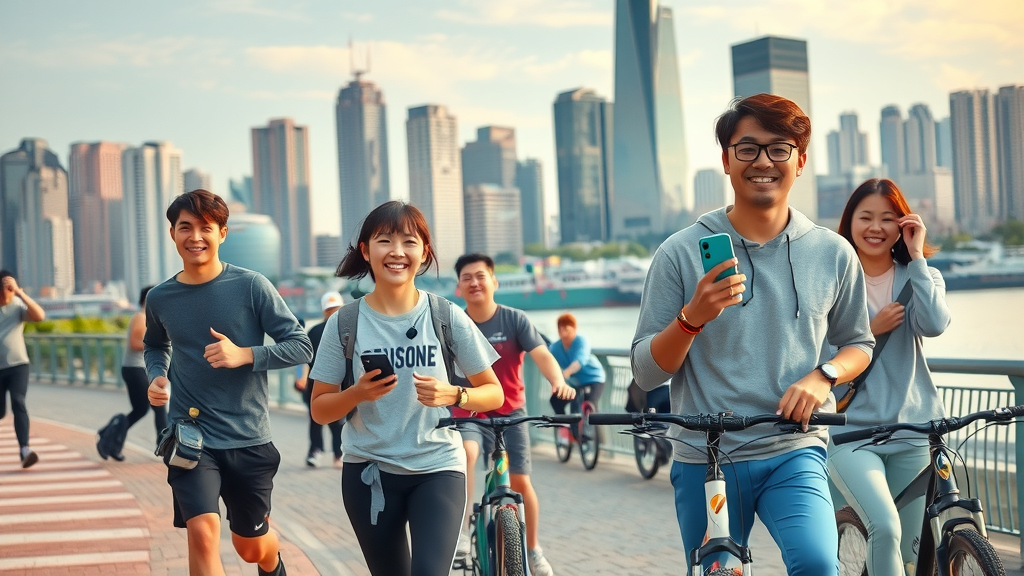
Did you know that after a two-year Covid hiatus, physical exercise has soared to become one of the most trendy hobbies in Korea? This resurgence highlights how Koreans are embracing activities that promote health, social connections, and enjoyment. In this article, you’ll learn about the most popular hobbies in Korea today, from Pilates to gaming, and gain expert insights on choosing and maintaining hobbies that enrich your daily life.
Overview of Trendy Hobbies in Korea
Trendy hobbies in Korea have evolved dramatically especially post-pandemic, reflecting a society eager to reconnect with health and leisure. Exercise has emerged as a prominent choice, encompassing a variety of activities such as Pilates, yoga, and hiking. These hobbies not only support physical well-being but also offer social interaction and mental relaxation.
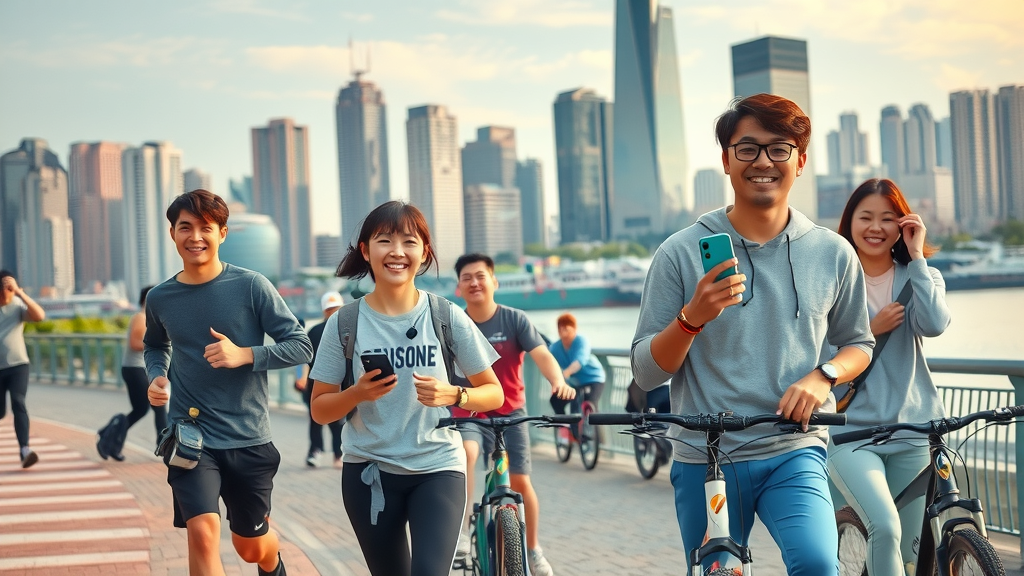
The diverse urban landscape and changing seasons also influence hobby preferences. For example, many enjoy cycling through blossoming parks in spring or taking peaceful night walks. Koreans also enthusiastically engage in cultural hobbies like watching Korean dramas and learning languages, underlining the blend of tradition and modernity in leisure choices.
최수수, a hobby enthusiast from Korea, notes, “Exercise is popular now because people want to balance work stress after Covid restrictions. It’s not just about fitness but also about enjoying nature and meeting friends.” This shift marks trendy hobbies in Korea as dynamic, health-focused, and community-oriented.
Defining Hobbies in Korean Culture
In Korean culture, a hobby is more than a pastime — it’s considered a valuable part of one’s lifestyle and mental health management. Traditionally, Koreans have cherished collective activities like board games and music. However, modern trends now emphasize individual physical activities alongside digital entertainment.
Hobbies in Korea often serve as stress relievers amid the demanding work culture. From quiet walks in city parks to spontaneous meetups in PC bangs (gaming cafes), these activities help maintain social bonds. The meaning of hobbies has expanded to include mindful physical fitness and expressions of creativity, reflecting societal shifts towards holistic well-being.
The Rise of Exercise as a Popular Hobby
Exercise as a hobby has experienced a remarkable rise in Korea, propelled by Covid-19’s impact on lifestyle habits. People who previously faced restrictions on their outdoor activities now eagerly embrace running, Pilates, yoga, and hiking. These activities align well with Korea’s urban and natural environments, providing a healthy balance between city life and nature.
According to 최수수, “Pilates and yoga help me relieve stress and improve flexibility. Although hiking can be tough, it offers breathtaking views, making it worth the effort for many Koreans.” This surge in physical activities signifies a broadening understanding of hobbies as tools for mental and physical wellness.
Popular Hobbies in Korea
Exercising: From Pilates to Rock Climbing
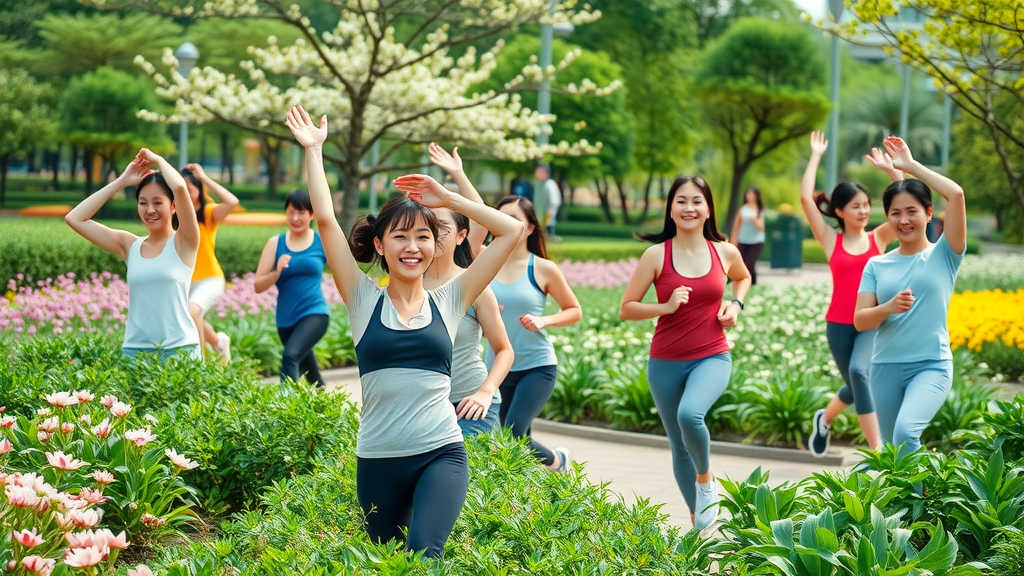
Among many trendy hobbies in Korea, exercise stands out for its variety and appeal. Pilates classes are particularly favored, offering a low-impact workout with notable benefits for posture and stress reduction. Yoga follows closely, providing relaxation and mindfulness benefits that resonate with busy Koreans.
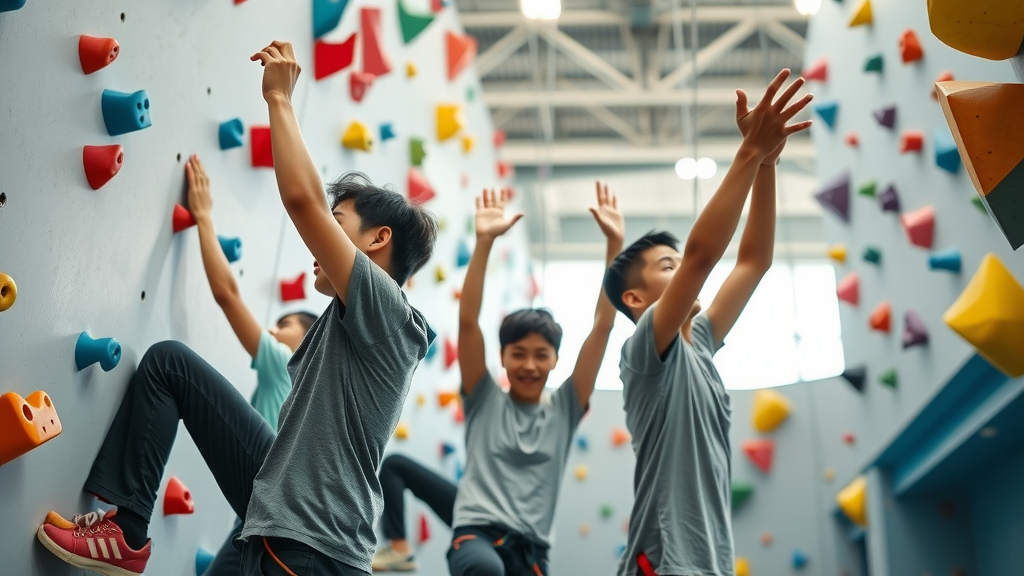
Rock climbing has also gained traction as an exciting and social sport. Indoor climbing gyms are popping up in urban centers, catering to young adults seeking dynamic workouts. Additionally, running and hiking are chosen with care — some enjoy the challenge, while others avoid strenuous effects on knees or ankles as noted by 최수수.
Gaming: A Favorite Pastime
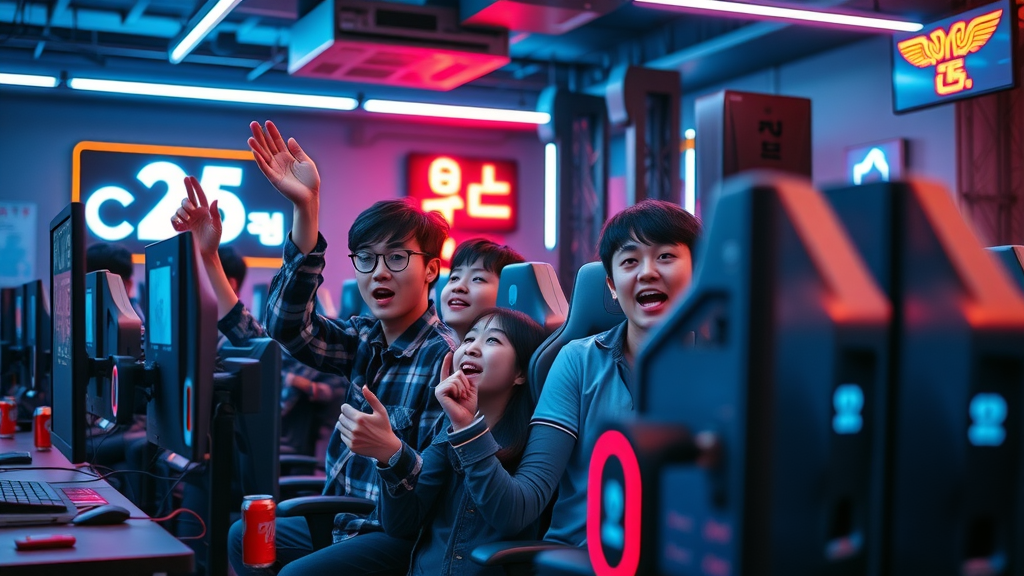
Gaming remains a top hobby, especially among younger Koreans. PC bangs (Internet cafés) are cultural staples where people gather to play competitively or cooperatively, strengthening friendships while enjoying popular online games. The gaming culture blends fun with social interaction and has adapted to trends like e-sports.
Besides traditional gaming, mobile games and VR experiences are also growing rapidly. These hobbyists appreciate the excitement and community aspects of gaming, which provide a counterbalance to Korea’s demanding daily schedules. Gaming continues to be a core part of leisure, skill-building, and relaxation.
Cultural Activities: Korean Drama and Language Classes
Cultural hobbies hold a special place within Korea’s hobby landscape. Watching Korean dramas is common for entertainment and social bonding. These dramas often inspire viewers to delve deeper into Korean language and culture, sparking interest in language classes as a trendy hobby.
Many foreigners and locals alike enroll in Korean language classes not only for practical communication skills but also to immerse themselves in cultural storytelling, traditions, and modern entertainment. These hobbies cultivate community and learning, promoting cultural appreciation alongside personal growth.
Pros & Cons of Popular Hobbies
Benefits of Physical Activities
Engaging in trendy hobbies such as Pilates, yoga, and cycling brings extensive benefits — improving physical health, enhancing mental well-being, and fostering social connections. Regular exercise boosts circulation, strengthens muscles, and elevates mood through endorphin release.
Moreover, outdoor activities like walking and hiking connect participants to nature, providing relaxation amidst urban pressures. “Exercising regularly not only improves physical health but also enhances mental well-being,” explains 최수수, highlighting the holistic benefits of these hobbies.

Challenges in Maintaining Hobbies
Despite the benefits, maintaining hobbies like exercise can be challenging. Time constraints, physical fatigue, or injuries from activities such as running and hiking often discourage consistent participation. Busy work schedules in Korea sometimes make it difficult to balance hobbies and daily responsibilities.
Additionally, some Koreans may feel social pressure to pursue certain hobbies, potentially leading to stress rather than relaxation. It’s essential to choose hobbies that fit individual preferences and lifestyles to avoid burnout and maintain enjoyment.
Expert Insights & Best Practices
“Exercising regularly not only improves physical health but also enhances mental well-being,” explains 최수수, a Korean hobby enthusiast.
Tips for Choosing the Right Hobby
Choosing a hobby that aligns with your interests, physical ability, and daily schedule is key. Start by exploring low-impact activities like walking or yoga if you are new to exercise. Consider hobbies that provide social interaction if companionship motivates you, such as group Pilates or language classes.
Listening to your body and enjoying the process is essential; avoid hobbies that cause pain or discomfort. Incorporating variety can keep hobbies exciting, for example alternating Pilates with light cycling in parks during spring and summer.
Common Mistakes & Misconceptions
Misunderstandings About Exercise Routines
Many beginners mistakenly start intense routines causing injury or dissatisfaction. It’s important to progress gradually, focusing on consistency over intensity. Some Koreans believe that only vigorous exercise counts as a valid hobby, which can alienate those preferring gentle activities.
Furthermore, skipping proper warm-ups or ignoring physical limits can lead to setbacks. Embracing a balanced approach and integrating rest days can prevent these common pitfalls and support sustainable hobby growth.
Cultural Misconceptions in Hobbies
A misconception in Korea is that hobbies must align with social trends to be valued. This pressure sometimes discourages engagement in less popular or solitary hobbies. Cultivating hobbies for personal enjoyment rather than social approval fosters authentic leisure and reduces stress.
Understanding that hobbies contribute to mental and emotional health beyond social validation is key to embracing diverse personal interests without judgment or comparison.
Actionable Tips for Engaging in Hobbies
How to Start a New Hobby
- Research your interest online or join local groups/classes.
- Set small, manageable goals — e.g., attend one Pilates session per week.
- Allocate specific time slots in your calendar to prioritize the hobby.
- Invite friends or family to join for motivation and enjoyment.
By starting simple and building gradually, you can integrate hobbies into your routine successfully.
Balancing Hobbies with Daily Life
Effective time management is crucial for maintaining hobbies alongside work and family obligations. Even short daily activities like a 20-minute walk or brief gaming session can refresh the mind and body.
Prioritize hobbies that restore your energy and happiness. Avoid turning hobbies into additional stress by overcommitting and learning to say no when necessary.
People Also Ask
What are popular Korean hobbies?
Popular Korean hobbies include exercising (Pilates, yoga, hiking), gaming, watching Korean dramas, and learning languages. Outdoor activities such as cycling and walking in parks are also trendy.
What is the 52 hour rule in Korea?
The 52 hour rule limits work hours to a maximum of 52 hours per week in Korea, encouraging better work-life balance and creating more free time for hobbies.
What do Koreans like to do for fun?
Koreans enjoy a mix of cultural and physical activities such as social gaming in PC bangs, watching TV dramas, dining out with friends, exercising outdoors, and attending language or music classes.
What is the 3 day rule in Korea?
The 3 day rule refers to an informal social guideline influencing dating or social interactions, encouraging thoughtful pacing of relationships or activities. It also reflects cultural nuances relevant in social hobbies.
Conclusion
Embracing Hobbies for a Balanced Life
Explore trendy hobbies in Korea that fit your lifestyle, focus on health and joy, and maintain a balance between leisure and daily responsibilities.
Email us at test@gmail.com
What You’ll Learn
- Why exercise is a top trendy hobby in Korea
- Popular physical and cultural hobbies including Pilates, gaming, and Korean drama
- Pros and cons of engaging in popular hobbies
- Expert advice on selecting and maintaining hobbies
- Common misconceptions and actionable tips for sustaining hobbies
Table: Top 5 Trendy Hobbies in Korea by Popularity
| Rank | Hobby | Description | Main Benefit |
|---|---|---|---|
| 1 | Exercise (Pilates, Yoga, Running) | Physical activities focused on fitness and mental wellness | Improved health & stress relief |
| 2 | Gaming | Social competitive and cooperative digital gaming | Social bonding & entertainment |
| 3 | Korean Drama Watching | Engaging with popular TV series culturally significant in Korea | Cultural connection & relaxation |
| 4 | Language Classes | Learning Korean or foreign languages for cultural and practical skills | Intellectual growth & social interaction |
| 5 | Cycling & Walking | Outdoor activities capitalizing on Korea’s natural scenery | Mental clarity & physical activity |
Sources
Information and quotes from expert hobbyist 최수수 and recent cultural trend analyses.
Additional reading: https://example.com
In recent years, Korea has witnessed a resurgence in traditional crafts among younger generations. Activities like knitting and beadwork have become popular as individuals seek mindful escapes from digital saturation. For instance, beadwork kits have seen a significant rise in sales on shopping platforms, and knitting tutorial videos are trending on social media, guiding viewers through creating fashion accessories with simple yarn and needles. (koreatimes.co.kr)
This revival is part of the broader “Newtro” culture, a blend of modern and retro elements that has permeated various aspects of Korean life, including fashion, music, and hobbies. Newtro combines contemporary sensibilities with nostalgic influences from the 1980s and 1990s, appealing to both older and younger generations. (en.wikipedia.org)
Additionally, the concept of “Honjok,” or the culture of doing activities alone, has gained traction. This includes “honnol” (playing alone) and “honsul” (drinking alone), reflecting a shift towards individualism and personal time. Facilities like coin karaoke rooms designed for solo use have become popular, catering to those who prefer solitary leisure activities. (en.wikipedia.org)
These trends highlight a dynamic shift in Korea’s hobby landscape, where traditional crafts, retro-modern fusion, and solo activities are reshaping how individuals engage in leisure and self-expression.
Leave a Reply