
Start with a startling statistic: Did you know that nearly 70% of people who commit to the keto diet report significant weight loss within the first three months?
The buzz around keto isn’t just hype—it’s based on measurable success stories and the power of science. Whether you want to lose weight fast, boost energy, or just feel healthier, this comprehensive guide unlocks everything you need to know about the ketogenic diet. Dive in and discover why switching to keto could completely transform your life—and why so many people never go back to their old eating habits.

- What You’ll Learn in This Keto Diet Guide:
- What the keto diet is and how it functions
- The fundamentals of starting a ketogenic diet
- Essential food lists for a keto lifestyle
- How keto compares to other diets like Atkins
- Potential side effects and how to handle them
- Expert strategies for maximizing weight loss
- Commonly asked questions about the keto diet
Start Your Keto Diet Journey: Surprising Facts and Why It Works
The keto diet isn’t just another fad—it’s a metabolic revolution. By dramatically cutting carbs and fueling up on healthy fats, you urge your body into a state called ketosis, shifting it towards burning fat for energy instead of glucose from carbohydrates. This unique approach to eating distinguishes the ketogenic diet from every typical carb diet or fat diet you’ve heard about before. People from all walks of life turn to keto not just for rapid weight loss, but also for its powerful health benefits—from steady energy levels and reduced hunger to better blood sugar control. Early adopters have reported profound transformations as the body uses fat for fuel, burns stored fat, and keeps cravings at bay. Most importantly, science backs up these claims, showing consistent evidence that starting a keto diet can be a game-changer for weight loss and metabolic health. In this guide, you’ll gain the crucial knowledge needed to start your ketogenic journey with confidence and achieve your goals, whether it’s to lose weight, manage blood sugar, or improve overall well-being.
Quote: Did you know that nearly 70% of people who commit to the keto diet report significant weight loss within the first three months?
These powerful numbers are a testament to the keto diet’s effectiveness and a hint at what you can achieve. Your journey begins here with a comprehensive understanding of how keto works, what you can eat, how to get started, and how to dodge the common pitfalls for rapid and sustainable success.
Understanding the Keto Diet: What Makes It Different?
What Is the Keto Diet?
The keto diet, short for ketogenic diet, is a low-carb, high-fat diet that dramatically alters your metabolism. Instead of relying primarily on carbohydrates as your main energy source, you urge your body to enter ketosis—a metabolic state where it efficiently burns fat for fuel. With the keto diet, your daily calories come mainly from foods high in healthy fats like olive oil, avocado, nuts and fatty fish, while carbohydrates are restricted to as little as 20-50 grams per day. By doing so, your liver produces ketone bodies, which become a potent replacement for glucose. This cycle accelerates weight loss as your body uses fat as its main energy source. In contrast to a standard high-carb diet or a traditional carb diet, the ketogenic diet flips your body’s fuel preference from carbs to fat, creating a remarkable shift in how you lose weight, stabilize blood sugar, and even spark better brain function.
Quote: “The ketogenic diet shifts your body’s metabolism into high gear, burning fat for energy instead of carbs.”
This essential difference is why so many people tout the keto diet as a breakthrough. Whether you’re starting a keto journey for the first time or evaluating different dietary options, understanding this fundamental distinction is your first step to keto success.
The Science Behind Ketogenic Diet and Weight Loss
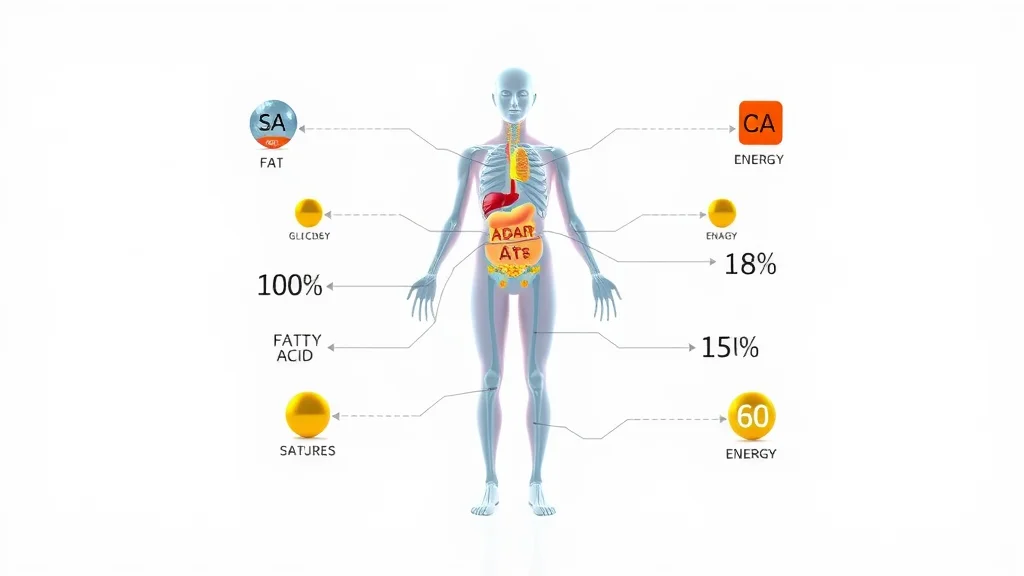
Why does the keto diet work so well for weight loss? It all comes down to how your body processes fuel. When you slash carbs, blood sugar levels drop and insulin—a hormone key to fat storage—falls, making it easier for your body to burn fat. This metabolic state, called ketosis, unleashes your body’s natural fat-burning potential: you begin breaking down stored bodily fat into energy, shedding pounds without the hunger spikes tied to high-carb diets. Not only does this help you lose weight quickly in the short term, but studies suggest the keto diet may help maintain weight loss long term, thanks to reduced appetite and a more stable metabolism. Alongside effective weight loss, many keto followers observe improvements in blood pressure, better clarity of mind, and a decrease in cravings for foods that typically undermine diet success. With all these benefits—including a more stable mood and higher energy—it’s no wonder the keto diet has earned its reputation for transformative results.
| Diet Type | Main Energy Source | Main Foods | Carb Intake | Typical Weight Loss |
|---|---|---|---|---|
| Keto Diet | Fat (Ketone Bodies) | Healthy fats, moderate proteins, low-carb veg | 20-50g per day | Rapid (especially first 2-3 months) |
| Atkins Diet | Fat/Gradual Carbs | Fats, proteins, eventually reintroduced carbs | Starts low, increases over time | Moderate to rapid; varies by stage |
| Carb Diet | Carbohydrates (Glucose) | Bread, grains, fruits, starchy foods | 150g+ per day | Varies; often slower |
Debunking Myths: Keto Diet vs. Other Popular Diets
It’s easy to get confused with all the buzzwords around different diets—carb diets, fat diets, Atkins diet. Many mistakenly believe that all low-carb diets are alike, but the science narrates a different story. What separates the keto diet is the depth of carb restriction and its primary aim: to get the body into ketosis and burn fat for fuel. Unlike the Atkins diet, which later reincorporates higher carb amounts, or a generic low-fat or high-carb diet, keto maintains strict carb limitations. This precision amplifies fat burning, steadies blood sugar, and often delivers more profound health and weight loss results. Another common myth—keto is just about eating bacon and butter—misses the many nutrient-dense foods integral to a healthy keto lifestyle. True keto includes leafy greens, olive oil, nuts, seeds, and fish, supporting not just weight loss but overall wellness. By debunking these myths, you set yourself up for a smarter, safer, and more sustainable transformation.

How to Start a Keto Diet: A Comprehensive Step-by-Step Guide
- Assess your current eating habits: Track what you eat for a week to spot carb-rich foods hidden in your meals and snacks.
- Calculate your macros for the ketogenic diet: Use apps or calculators to determine your ideal fat, protein, and carb ratios—typically 70-80% fat, 15-20% protein, 5-10% carbs.
- Create a keto shopping list: Focus on high-quality proteins, plenty of green vegetables, healthy fats like olive oil or coconut oil, and keto-friendly snacks.
- Plan your first week’s meals on the keto diet: Meal prep is key! Lay out simple, tasty recipes to keep you on track and banish the urge for old carb-heavy staples.
- Monitor your progress and adjust: Keep a food diary, track your weight and energy levels, and fine-tune your macros as you learn what works for you.
Setting Realistic Goals: How to Lose Weight with Keto
Every journey starts with a goal. Before you begin the keto diet, ask yourself: what do you want to achieve? If it’s to lose weight, experts recommend aiming for a realistic and healthy weight loss target, such as 1-2 pounds per week. Rapid losses in the initial weeks are common (largely due to water weight as carb stores are depleted), but sticking to sustainable habits is what yields long term results. Tracking your progress—through measurements, photos, and how your clothes fit—helps maintain motivation, especially when the scale seems stuck. Adjusting your approach as you go is key: if your weight loss plateaus or energy dips, reassess your macros, increase your activity level, or try intermittent fasting alongside keto for an extra boost. By blending patience with consistency, you’ll position yourself to reach your body goals while making healthful habits a permanent part of your life.

Keto Diet Foods: What Can You Eat?
Essential Foods for a Ketogenic Diet
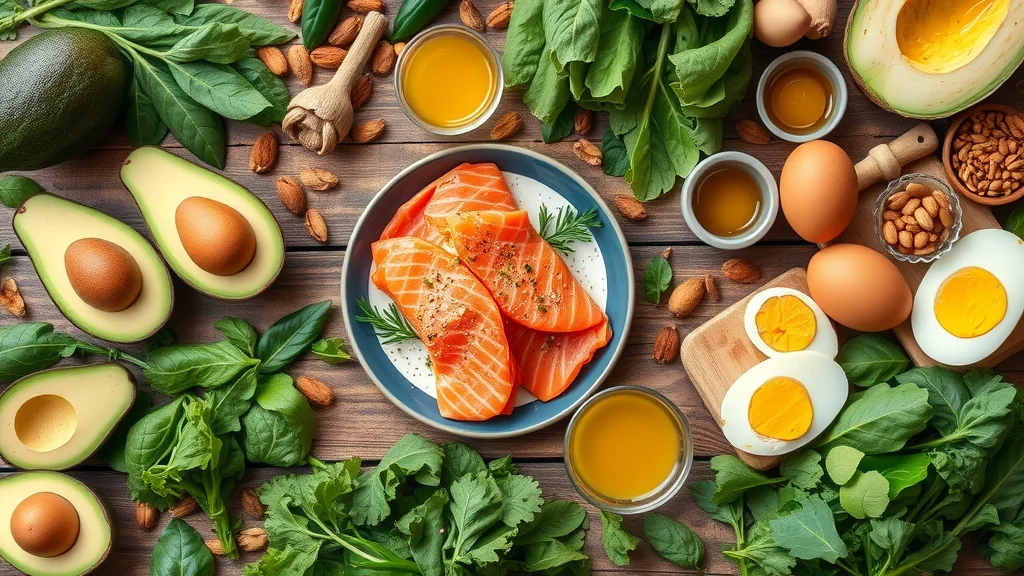
Building a sustainable ketogenic diet starts with knowing which foods will fuel your success. On the keto diet, your grocery list will center around natural, unprocessed ingredients that are high in healthy fats and contain moderate protein, while keeping carbs to a minimum. Here’s what your diet should include for optimal weight loss and wellness:
- Healthy fats: Avocado, olive oil, coconut oil, ghee, butter
- Proteins: Eggs, wild-caught fish, free-range poultry, grass-fed meats
- Low-carb vegetables: Leafy greens (spinach, kale), broccoli, zucchini, cauliflower, asparagus
- Keto-friendly snacks: Nuts, seeds, cheese, olives, jerky without sugar
| Category | Examples |
|---|---|
| Fats & Oils | Olive oil, avocado oil, coconut oil, butter |
| Protein | Eggs, fish, poultry, grass-fed beef, pork |
| Low-Carb Veggies | Spinach, kale, broccoli, cauliflower, cucumber |
| Nuts & Seeds | Almonds, walnuts, chia seeds, pumpkin seeds |
| Dairy (full fat) | Cheese, heavy cream, unsweetened yogurt |
| Keto Snacks | Olives, pickles, pork rinds, jerky (no sugar) |
What Foods Should You Avoid on a Keto Diet?
Quote: “Avoiding processed foods and sugars is crucial to keto diet success.”
Skipping the right foods is just as important as eating the right ones. On keto, you must avoid breads, pasta, rice, most fruits, starchy vegetables (like potatoes), sugary snacks, and processed foods. These foods are packed with carbs, which can halt ketosis and undermine your progress. Watch out for hidden carbs—even “healthy” granola bars or salad dressings often conceal sugar and starch. Always check labels for added sugars and unknown ingredients. By saying no to these items, you actively support fat burning, manage blood sugar, and reduce the risk of side effects linked with fluctuating glucose levels, such as headaches and energy crashes. Prioritize whole foods, and you’ll notice the transformation inside and out.
Ketogenic Diet Rules and Tips: The 9 Essentials for Success
- Keep carbs below 20-50g per day
- Prioritize whole, unprocessed foods
- Increase healthy fats
- Stay hydrated
- Electrolyte balance is key
- Meal prep consistently
- Monitor ketone levels
- Adjust portions as you progress
- Stay mindful of potential side effects

Expected Results: How Fast Can You Lose Weight on Keto Diet?
Setting Realistic Weight Loss Expectations with Keto Diet
How fast you lose weight on the keto diet depends on your starting weight, adherence to the plan, activity levels, and personal metabolism. Most people experience dramatic early losses—sometimes 5-10 pounds in the first week—due to water loss as stored carbs deplete. However, as weeks progress, average fat loss slows to a steady, healthy pace of 1-2 pounds per week. Setting realistic, attainable expectations is vital. Remember, quick fixes seldom last; true success is achieved by maintaining new lifestyle habits, keeping your diet balanced, and tracking progress. If your weight loss slows, don’t be discouraged: adjust your plan, reassess your macros, or incorporate light exercise and intermittent fasting for extra support. The keto journey is uniquely yours—progress and consistency yield the real, long-term wins.

How Fast to Lose 20 Pounds on Keto: Facts and Timelines
Losing 20 pounds on the keto diet is a frequent milestone that many followers aim for. While individual results vary, shedding this amount is doable for most people within two to three months of consistent, correctly followed keto eating. The initial rapid loss in the first weeks is primarily water weight, but true fat loss occurs gradually as your body consistently uses fat for fuel. Pairing keto with regular exercise and proper electrolyte balance further accelerates progress while minimizing common side effects like the “keto flu.” Staying realistic and patient is critical: drastic calorie cutting or unsustainable routines can backfire. Breaks in your plateau may happen—don’t worry, modify your macros or add intermittent fasting for renewed results. Remember, health and long-term consistency outpace rapid, short-lived fixes.
Can You Lose 10 Pounds in 3 Weeks on Keto Diet?
Dropping 10 pounds within three weeks is achievable, especially for those new to the keto diet or with more to lose. The restrictive carbs quickly reduce water retention, followed by genuine fat loss as your metabolism adapts. However, as your body approaches your natural weight, expect weight loss to slow for healthy, sustainable progress. Avoid chasing only a number on the scale—celebrate improved energy, reduced hunger, and positive changes in how your clothes fit. As long as you stick to the plan and remain patient, you’ll enjoy not just faster weight loss, but better health, confidence, and motivation for the journey ahead.
| Time on Keto | Typical Weight Loss | Notes |
|---|---|---|
| First Week | 5-10 lbs | Mostly water weight loss |
| Weeks 2-4 | 1-2 lbs/week | Fat loss begins, energy increases |
| Months 2-3 | 10-20 lbs total | Steady, healthy fat loss |
| Long Term | Varies (maintenance improves) | Focus shifts to maintaining results |
Quote: “Rapid weight loss is common in the early phases of the keto diet, but long-term success is about consistency.”
Comparing Keto Diet to Other Diets: Atkins, Carb Diet, and Intermittent Fasting
Ketogenic Diet vs Atkins Diet – Which is Better for You?
Both the keto diet and the Atkins diet limit carbohydrates and promote weight loss, but their approaches diverge significantly. While Atkins starts out as a low-carb diet, it gradually adds back more carbs over time, potentially shifting your metabolism away from fat burning. The keto diet, by contrast, maintains a more stringent low-carb intake, keeping the body in continuous ketosis for maximum fat for energy benefits. For many seeking rapid, lasting weight loss and more consistent blood sugar levels, keto might be the better fit. Atkins could suit those who want more dietary flexibility after the initial phases. Both approaches can yield results—choosing depends on your lifestyle, preferences, and health goals.

Keto Diet vs Carb Diet: Health Outcomes and Weight Loss
Traditional carb diets rely on grains, starchy foods, and fruit as mainstays. While not inherently unhealthy, such diets often lead to wild swings in blood sugar, increased hunger, and difficulty achieving or maintaining weight loss. By contrast, the keto diet supports more stable blood sugar and insulin levels, facilitating easier control over appetite and increased fat burning. Clinical studies show that the body’s ability to use fat for fuel on keto not only leads to quick weight loss, but also improves cholesterol, blood pressure, and even reduces some heart disease risk factors. In summary, both diets have their place—but for many, keto’s unique metabolic benefits put it in a class of its own.
Can You Combine Keto Diet with Intermittent Fasting?
Combining the keto diet with intermittent fasting can supercharge weight loss and promote deeper ketosis. Intermittent fasting involves cycling eating windows (for example, 16 hours of fasting followed by an 8-hour eating window), allowing your body more time to burn stored fat. When paired with a properly followed keto plan, this approach not only helps burn fat more efficiently but may also speed up repair processes in the body and stabilize energy. Many keto devotees report faster results and easier maintenance using this powerful combo. However, it’s important to listen to your body—introduce changes gradually, ensure you stay hydrated, and consult a healthcare professional before starting, especially if you have underlying health issues.
Managing Side Effects: What to Expect on the Keto Diet
Common Keto Diet Side Effects (And How to Avoid Them)
- Keto flu: Common in the first week; symptoms may include fatigue, headache, and irritability as your body adapts to burning fat.
- Electrolyte imbalance: Keep potassium, magnesium, and sodium in check by eating leafy greens and using mineral-rich salts.
- Digestive changes: Increased fats and new foods may temporarily alter digestion—add fiber gradually.
- Short-term fatigue: Give yourself time to adapt; energy and focus return as you maintain ketosis.

Tips to Overcome the Keto Flu on the Ketogenic Diet
The dreaded keto flu is typically short-lived, striking in the first few days as your body switches from carbs to fat for energy. While the side effects—such as headache, lethargy, or brain fog—can be discouraging, hydration and electrolyte intake are your two best defenses. Drink plenty of water, consider adding a pinch of mineral salt to your meals, and eat magnesium-rich foods like nuts and spinach. Broth (especially bone broth) provides an extra boost. Avoid overexertion for the first week and listen to your body. With these strategies, most people overcome keto flu quickly, paving the way for the improved energy and focus that keto is known for.
Long-Term Side Effects and What Science Says
Long-term, most followers of the keto diet experience few negative side effects, provided they maintain a balanced, nutrient-rich approach. However, rare individuals may encounter issues like digestive discomfort or micronutrient deficiencies, which can be minimized with careful food selection and occasional professional guidance. Research suggests that, for the majority, the ketogenic diet does not lead to increased risk of heart disease or unhealthy cholesterol, especially if you focus on whole foods and healthy fats (like avocado and olive oil). Monitor your health with regular checkups and blood work, just as you would with any major dietary shift.
Quote: “With proper planning, side effects of the keto diet are short-lived or avoidable altogether.”
Keto Diet and Health: Impacts on Heart Disease, Diabetes, and More
Evidence on Keto Diet and Heart Disease Risk
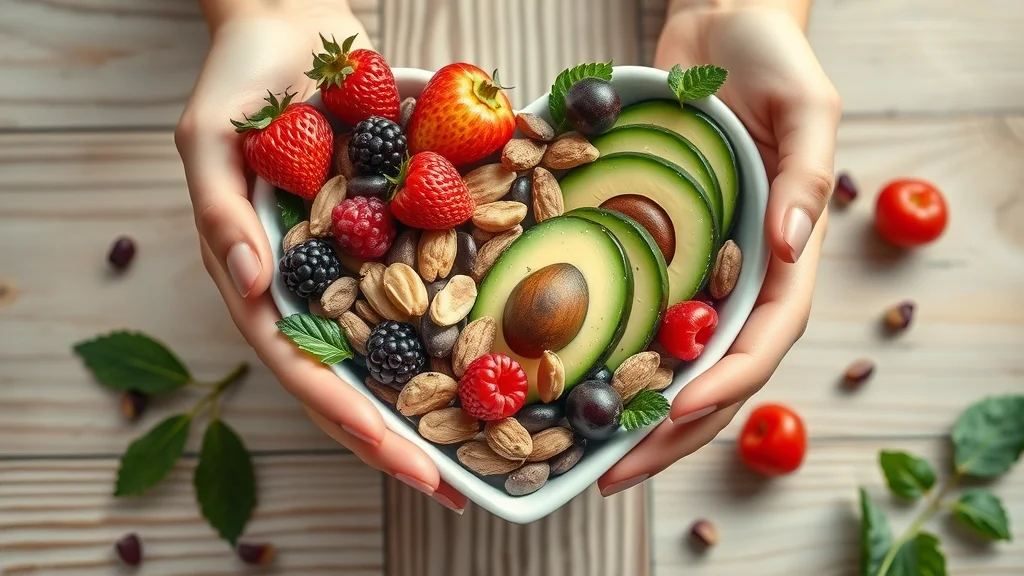
One major concern is whether a high fat diet like keto increases the risk of heart disease. Research to date indicates that, in the context of a diet rich in healthy fats (like olive oil, nuts, and fish), keto can actually lower triglycerides, improve blood pressure, and increase “good” HDL cholesterol. For many, these shifts lower the risk for heart disease. It’s important to distinguish between healthy fats and those from processed or fried sources—the quality of your fat matters. Similarly, the keto diet has shown promise in improving blood sugar management, making it potentially beneficial for people with type 2 diabetes or prediabetes. However, not all medical professionals agree on keto for every individual, so it’s crucial to tailor your diet to personal needs and medical guidance.
Is the Keto Diet Safe for Everyone?
Quote: “Always consult a healthcare provider before making significant dietary changes, especially if you have existing health conditions.”
While the keto diet is safe and beneficial for most people, there are exceptions. Those with kidney, liver, or pancreas issues—as well as pregnant women or individuals with type 1 diabetes—should exercise extra caution. Children and adolescents should only attempt keto under medical supervision. For everyone else, careful planning and professional advice greatly enhance both the safety and effectiveness of your keto journey.
Expert Strategies: Staying Motivated and Making Keto Diet Sustainable
- Join keto support communities
- Track your progress daily
- Experiment with new keto recipes
- Celebrate small wins
- Educate yourself about nutrition

People Also Ask: Essential Answers About the Keto Diet
What can you eat in a keto diet?
The keto diet emphasizes foods high in healthy fats and moderate in protein, while keeping carbs very low. You can eat foods like eggs, fatty fish, avocados, nuts, seeds, olive oil, coconut oil, poultry, beef, pork, and plenty of non-starchy vegetables like spinach, zucchini, and broccoli. Most fruits are excluded, except small portions of berries, and you should avoid starchy foods such as bread, pasta, rice, and potatoes.
What are the 9 rules of keto?
The nine key rules of a successful keto diet are: (1) Keep carbs between 20-50g per day, (2) Eat plenty of healthy fats, (3) Choose high-quality proteins, (4) Prioritize whole, minimally processed foods, (5) Stay well-hydrated, (6) Maintain electrolyte balance, (7) Prepare meals in advance, (8) Track your ketone levels, and (9) Be mindful of side effects and make necessary adjustments. Following these will set you up for safe and effective keto progress.
How fast to lose 20 pounds on keto?
Losing 20 pounds on the keto diet can happen within two to three months for some people, especially if you’re strict with carb limits and keep your activity levels up. Rapid loss happens mostly in the beginning due to water weight, but sticking to the diet leads to steady fat loss over time. Remember, results can vary and a healthy, gradual pace is best for long-term success.
Can I lose 10 pounds in 3 weeks on keto?
Many new keto dieters experience quick weight loss in the first few weeks, and losing 10 pounds in 3 weeks is common, especially if you have extra weight to lose. Most of this early drop is water weight, but you’ll start burning body fat as ketosis sets in. To maximize results, be consistent, monitor your macros, and stay hydrated throughout your first few weeks on keto.
Frequently Asked Questions About the Keto Diet
- Does keto diet cause muscle loss? When appropriately balanced with protein, the keto diet preserves muscle mass. Weight training and adequate protein intake are recommended.
- Can I eat fruit on a keto diet? Most fruits are high in sugars and should be avoided; stick to small servings of berries, which are lower in carbs.
- What are the signs I am in ketosis? Common signs include increased energy, reduced appetite, mental clarity, and “keto breath.” Urine ketone strips offer simple confirmation.
- Is the ketogenic diet suitable for vegetarians? Yes. Choose plant-based fats (coconut oil, nuts, seeds) and proteins (eggs, dairy, tofu). Plan extra carefully to get complete nutrition.
- How to break a keto plateau? Try adjusting your macros, adding intermittent fasting, or increasing resistance exercise to reignite progress and break through weight loss stalls.
Key Takeaways: Keto Diet Essentials
- The keto diet is an effective tool for rapid weight loss and metabolic health.
- Starting a keto diet requires planning, tracking, and attention to potential side effects.
- Keto is not a one-size-fits-all solution; consult professionals for personalized advice.
Ready to Start Your Keto Diet Transformation? Join our newsletter for expert tips and a free starter guide!
Conclusion: Begin your journey today with the keto diet—plan, learn, and transform your health, one meal at a time.
Leave a Reply