
Hobbies are much more than just a way to pass the time—they can be powerful tools for stress relief and mental rejuvenation. In an era where mental health is increasingly prioritized, discovering fulfilling hobbies for stress relief can significantly improve your overall well-being. Whether you prefer the immersive escape of gaming, the calm of walking through nature, or the energizing effect of regular exercise, there’s a hobby that fits your lifestyle and helps you unwind. In this article, we answer your burning questions about how hobbies alleviate stress, present popular choices, and offer expert insights on integrating them into daily life effectively.
Overview of Hobbies for Stress Relief
Defining Stress-Relieving Hobbies
Hobbies for stress relief are activities people enjoy that help lower anxiety and promote feelings of calm, satisfaction, and joy. These hobbies provide not only a distraction from daily pressures but also nurture creativity and physical health, contributing to a balanced lifestyle. They can be solitary, like sketching or gaming, or social, such as group fitness classes or walking with friends.
For example, 최수수, an expert on daily routines and wellness, shares, “Playing games is my hobby. It’s fun and a great way to unwind.” This simple pleasure highlights how engaging in an enjoyable activity helps the mind relax and recharge. Stress-relieving hobbies can range widely in nature, but their core aim is to provide a mental break and foster positive emotions.

The Importance of Hobbies in Modern Life
In today’s fast-paced world, many people grapple with high stress due to work demands, social responsibilities, and the constant influx of digital notifications. Integrating relaxing hobbies for stress relief has become essential for maintaining mental health. Experts emphasize that hobbies offer a creative outlet and support mindfulness practices which can reduce chronic stress and prevent burnout.
Moreover, hobbies cultivate a sense of accomplishment and belonging, which are vital to emotional resilience. As 최수수 notes, the joy derived from walking in the park or biking during the seasons not only refreshes the body but also clears the mind, creating a space for mental clarity and peace.
Popular Hobbies for Stress Relief
Gaming: A Fun Escape
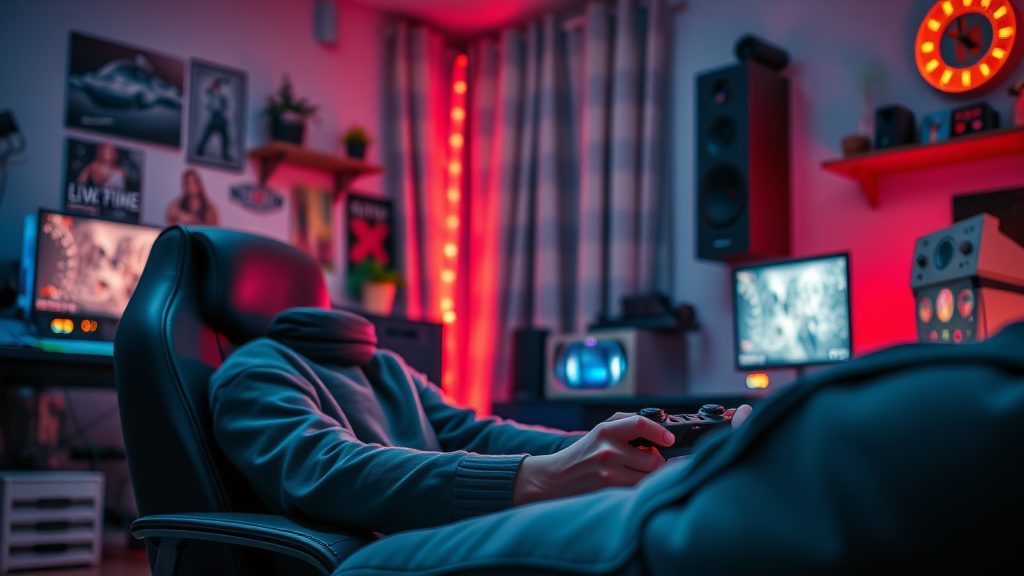
Gaming has become a widely popular hobby for stress relief, especially in recent years. It offers an immersive break from daily stressors, engaging the mind in challenges and storytelling that divert attention from worries. The dynamic nature of games allows players to experience achievement, connection, and fun in a controlled environment.
최수수, who enjoys this hobby, explains, “Playing games is my hobby. It’s fun and a great way to unwind.” This illustrates how gaming provides enjoyment while promoting relaxation and mental disengagement from stress. However, moderation is important to ensure gaming remains a positive coping strategy.
Walking and Biking: Embracing Nature
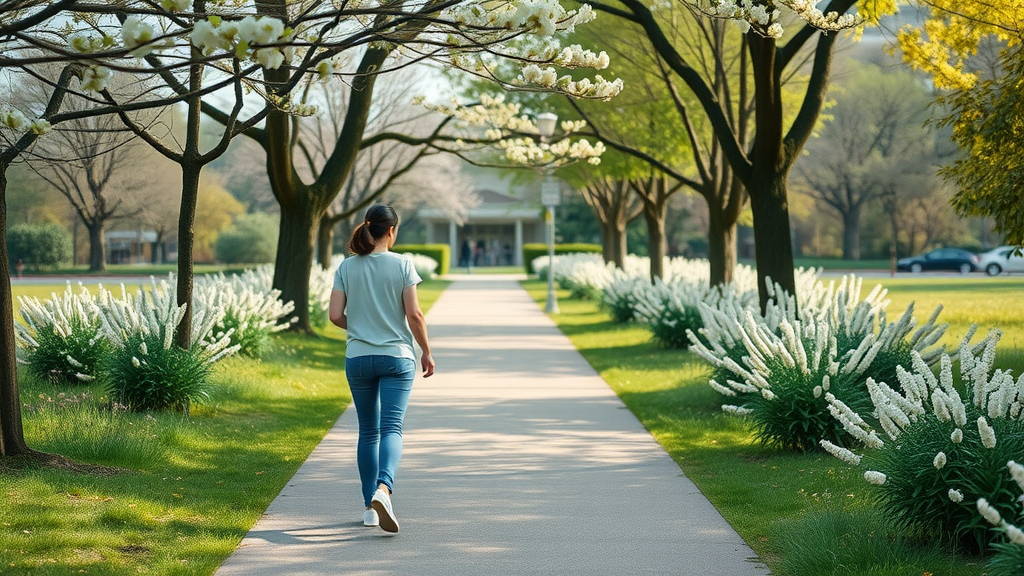
Walking and biking are classic, accessible hobbies for stress relief that combine gentle physical activity with exposure to nature. Regular walking helps lower cortisol levels—the body’s stress hormone—while the natural surroundings encourage mindfulness and relaxation. Biking, as an outdoor hobby, adds variety and invigorating exercise, which further benefits mood and cardiovascular health.
최수수 shares a personal preference: “I prefer to take a walk at night because it’s quiet and peaceful.” Walking or biking during peaceful hours enhances the calming effect, allowing individuals to connect more deeply with their environment and thoughts. The changing seasons also offer a sensory experience, such as blooming flowers in spring or colorful leaves in autumn, each contributing uniquely to stress relief.
Exercise: A Trendy Stress Reliever
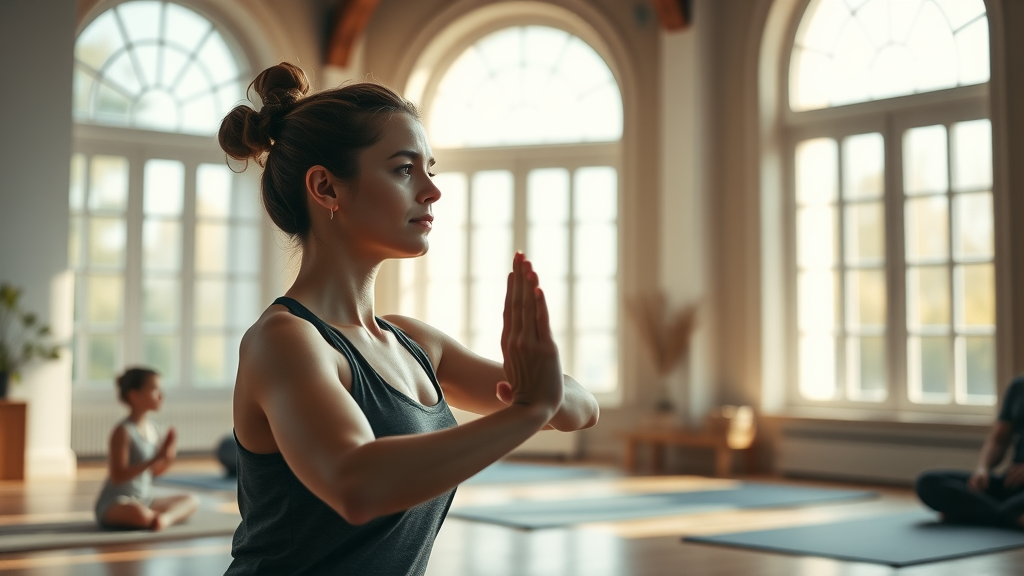
Physical activity like Pilates, yoga, running, and hiking ranks highly among effective hobbies for stress relief. Exercise releases endorphins—natural mood elevators—that combat anxiety and depression. The recent easing of Covid-19 restrictions has encouraged many to embrace exercise more, making it a trendy yet essential pastime for wellness.
As 최수수 remarks, “These days, many Koreans are exercising more as Covid restrictions ease.” She adds that although some activities like hiking or running might be physically challenging for some, exercises like Pilates and yoga strike a balance between effort and enjoyment, leading to sustainable stress relief benefits.
Pros & Cons of Different Hobbies
Gaming: Pros and Cons
Gaming offers several advantages as a hobby for stress relief, including mental engagement, social connection in multiplayer games, and escapism. However, excessive gaming can lead to sedentary behavior, eye strain, and potential social withdrawal if not balanced properly.
By approaching gaming responsibly, integrating breaks, and choosing diverse game types, players can maximize benefits and minimize drawbacks.
Walking and Biking: Pros and Cons
Walking and biking are low-barrier hobbies providing accessible physical exercise and mental relaxation. They improve cardiovascular health, enhance mood, and can be easily adapted to individual fitness levels and schedules. The natural surroundings also boost mindfulness and decrease cortisol.
However, limitations include weather dependency and potential safety concerns during night or isolated area excursions. Proper preparation and awareness can mitigate these issues, fostering a safe and effective stress-relieving routine.
Exercise: Pros and Cons
Regular exercise such as Pilates and yoga provides physical strength, flexibility, and a strong mental health boost through mindful movement. These activities reduce anxiety, improve sleep, and create a positive feedback loop of well-being.
On the downside, over-exertion or choosing too intense activities like strenuous hiking or running without proper conditioning can cause injury or discouragement. Selecting enjoyable, suitable exercise forms supports long-term adherence and steady stress relief.
Expert Insights & Best Practices
Choosing the Right Hobby for You
Selecting an appropriate hobby for stress relief depends on your preferences, lifestyle, and physical condition. Expert 최수수 advises exploring various activities to find what resonates most: “I like to take walks while listening to music or calling friends, combining physical movement and social connection.”
She also highlights that hobbies shouldn’t feel like another obligation. “It’s important that your hobby brings enjoyment, not stress,” she says. Testing different hobbies in small doses helps identify the perfect fit that will sustain your interest and relax your mind.
Incorporating Hobbies into Daily Life
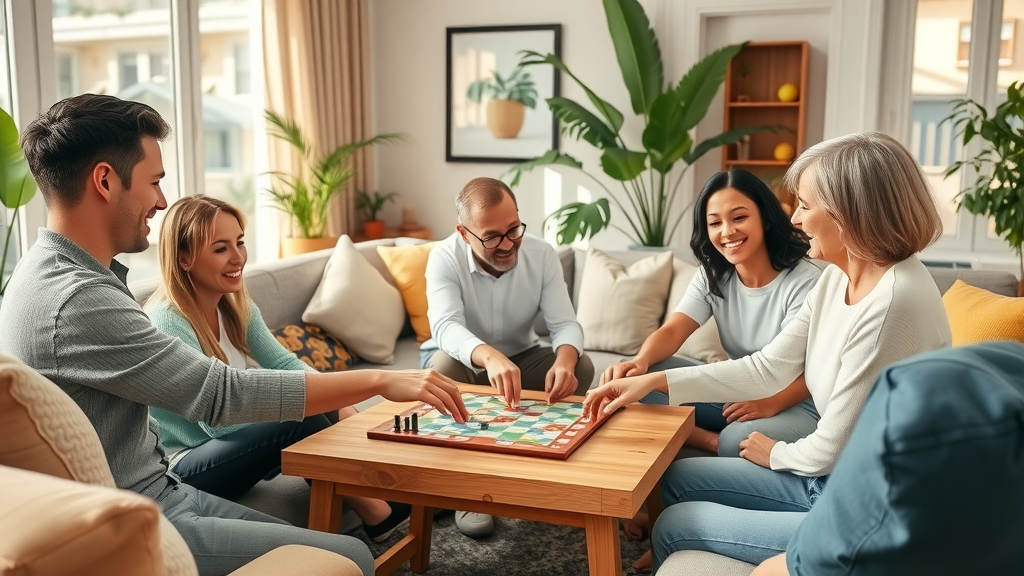
Balancing hobbies with work and family demands requires planning. Making time for a daily walk, scheduling Pilates sessions, or designating gaming time can create a consistent stress-relief regimen. Group activities enhance accountability and increase social bonding, boosting mental health further.
최수수 emphasizes, “I usually do Pilates twice a week. Although it was difficult at first, it’s now fun and rewarding.” This shows that persistence can lead to enjoyable routines that nurture both body and mind.
Common Mistakes & Misconceptions
Misconceptions About Exercise
A widespread misconception is that only intense or lengthy exercise counts as beneficial. In reality, gentle, consistent activities like walking or beginner Pilates provide meaningful stress relief and health gains without injury risk.
Choosing activities that you enjoy and can sustain long-term is more valuable than pushing yourself beyond limits.
Avoiding Hobby Burnout
Burnout can occur if hobbies become overly competitive or feel like chores. Maintaining balance, alternating activities, and listening to your body’s signals help keep stress relief hobbies enjoyable, not exhausting.
Taking breaks and shifting focus between hobbies can rekindle enthusiasm and avoid fatigue.
Actionable Tips for Readers
How to Start a New Hobby
Starting a new hobby for stress relief can be easy with the right approach. Begin by researching activities that interest you, gather any needed materials, and set small, achievable goals. For example, start with a 10-minute evening walk or try a beginner’s Pilates video at home.
Attending beginner classes or joining communities around hobbies can provide motivation and guidance. Remember, the goal is relaxation and joy, so progress at your own pace.

Balancing Hobbies with Daily Responsibilities
Time management is key to balancing hobbies with work, family, and other obligations. Scheduling specific times for hobbies and treating them as important appointments ensures you make space to unwind. Even 15-30 minutes daily dedicated to a hobby can yield significant stress relief benefits.
Combining hobbies with social interaction or outdoor time can streamline your routine and multiply positive effects.
People Also Ask
What are the best hobbies for stress relief?
Hobbies such as walking, biking, gaming, yoga, and Pilates are widely recognized for their effectiveness in reducing stress. The best hobby depends on individual preferences and lifestyle.
How can I start a hobby if I have a busy schedule?
Start small by dedicating short, consistent periods to your hobby, prioritize enjoyable activities, and integrate them into your day as breaks or social opportunities.
Can gaming really help reduce stress?
Yes, when done in moderation, gaming provides mental stimulation and distraction from stress, fostering relaxation and enjoyment.
Is it better to do hobbies alone or with others?
Both have benefits; solo hobbies promote introspection and calm, while social hobbies enhance connection and emotional support.
Conclusion
Key Takeaways
- Engage regularly in hobbies that bring you joy to reduce stress effectively.
- Balance your hobby choices to suit your physical and mental needs.
- Incorporate hobbies mindfully into your daily routine for consistent relief.
Final Thoughts
Finding the right hobbies for stress relief can transform how you manage everyday pressures, improving both mental and physical health. Explore new activities, stay open-minded, and prioritize what truly relaxes you.
Call to Action
Have questions or want to share your favorite hobbies for stress relief? Email us attest@gmail.com—we’d love to hear from you!
Sources
Engaging in hobbies is a proven method to alleviate stress and enhance mental well-being. Activities such as gardening, painting, and playing musical instruments offer therapeutic benefits by promoting relaxation and mindfulness. For instance, gardening connects individuals with nature, reducing cortisol levels and fostering a sense of accomplishment. Similarly, painting allows for creative expression, helping to process emotions and achieve a meditative state. Playing musical instruments not only provides a creative outlet but also soothes the mind and alleviates anxiety. Incorporating these hobbies into your routine can significantly contribute to stress reduction and overall well-being.
Leave a Reply